本集简介
双语字幕
仅展示文本字幕,不包含中文音频;想边听边看,请使用 Bayt 播客 App。
大家好。
Hi, everyone.
我是亚伦·科恩。
It's Aaron Cohen.
我们终于发布了第四季。
We've finally released our fourth season.
不知道你们是否注意到了。
I don't know if you noticed.
前三季之间每季都相隔一年。
There was a year between each of the first three seasons.
而这全新的第四季花了两年半时间。
This new fourth season took two and a half years.
为什么?
Why?
因为资金缺口。
Because of gaps in funding.
我们希望能以创纪录的速度推出第五季。
We'd love to get out season five in record time.
希望您能加入Patreon上的'拥抱一切'社区,支持我们探索马勒交响曲的奇妙世界。
I hope you'll join the Embrace Everything community on Patreon to support our exploration into the wonderful world of Mahler symphonies.
从5美元到5000美元,每一份支持都意义非凡。
From $5 to $5,000, every gift counts.
请访问theworldofgustavmahler.org并点击'支持'加入我们。
Please join us at theworldofgustavmahler.org and click on support.
节目说明中还有一个链接。
There's also a link in the show notes.
谢谢大家。
And thank you.
《拥抱一切:古斯塔夫·马勒的世界》第一季由卡普兰基金会慷慨资助制作完成。
Season one of Embrace Everything, The World of Gustav Mahler was made possible by a generous grant from the Kaplan Foundation.
您可以在我们的网站theworldofgustavemahler.org上查看本集出现的所有曲目及演奏者完整列表。
You can find a complete list of pieces and performers featured in this episode on our website, theworldofgustavemahler.org.
请在X和Bluesky上关注@worldofmahler,在Facebook和Instagram上关注@theworldofgustavemahler。
Please follow us on x and blue sky at world of mahler and on Facebook and Instagram at the world of Gustave Mahler.
马勒曾对同为作曲家的西贝柳斯说:交响曲必须如同整个世界。
Mahler once told his fellow composer Sibelius that a symphony must be like the world.
它必须包容万物。
It must embrace everything.
这就是我们节目名称的由来。
And that's where we get the title of our program.
我们将探索马勒音乐中的包容精神。
We're going to explore Mahler's musical embrace.
我是亚伦·科恩,第一季我们将聚焦马勒的第一交响曲。
I'm Aaron Cohen, And in season one, our focus is going to be Mahler's first symphony.
本季共有四集,分别对应交响曲的四个乐章。
There are four episodes this season, one for each movement of the symphony.
如果可能的话,我建议大家按顺序收听这些节目。
I'd recommend you listen to the episodes in order if you can.
在本期节目中,我们将从开场乐章开始讲起。
In this episode, we'll kick things off by looking at the opening movement.
要理解这个乐章的灵感来源,我们不会从你预想的地方开始,而是从这首作品切入。
To understand the inspirations of this movement, we'll begin not where you might expect, but with this piece.
这首作品选自《四季》,维瓦尔第创作于十八世纪二十年代初的著名小提琴协奏曲。
This is from the four seasons, Vivaldi's famed violin concertos from the early seventeen twenties.
配诗开篇写道:春天带着欢乐降临,鸟儿用欢快的歌声迎接。
The accompanying poem begins, spring has arrived with joy, welcomed by the birds with happy songs.
十九世纪初,贝多芬创作了他的《田园交响曲》。
In the early eighteen hundreds, Beethoven wrote his pastoral symphony.
贝多芬同样为我们描绘了鸟鸣声。
Beethoven also gives us birdsong.
另一个音乐中描绘自然的著名例子来自歌剧《齐格弗里德》,这是瓦格纳《尼伯龙根的指环》三部曲的第三部,创作于十九世纪五十年代末。
Another famous example of nature portrayed in music is from the opera Siegfried, the third part of Wagner's Ring Cycle, written in the late eighteen fifties.
这个片段名为《森林絮语》。
This segment is called Forest Murmurs.
故事的主人公听到了鸟鸣声。
The hero of the story hears birdsong.
这就让我们联想到马勒,因为他同样从自然中寻找灵感。
Which brings us to Mahler because he too looked to nature for inspiration.
他的第一交响曲从一开始就体现了这一点。
His first symphony reflects that right from the opening.
马勒的挚友兼知己娜塔莉·鲍尔-莱希纳是这样描述的。
Natalie Bauer Lechner, Mahler's great friend and confidant, described it this way.
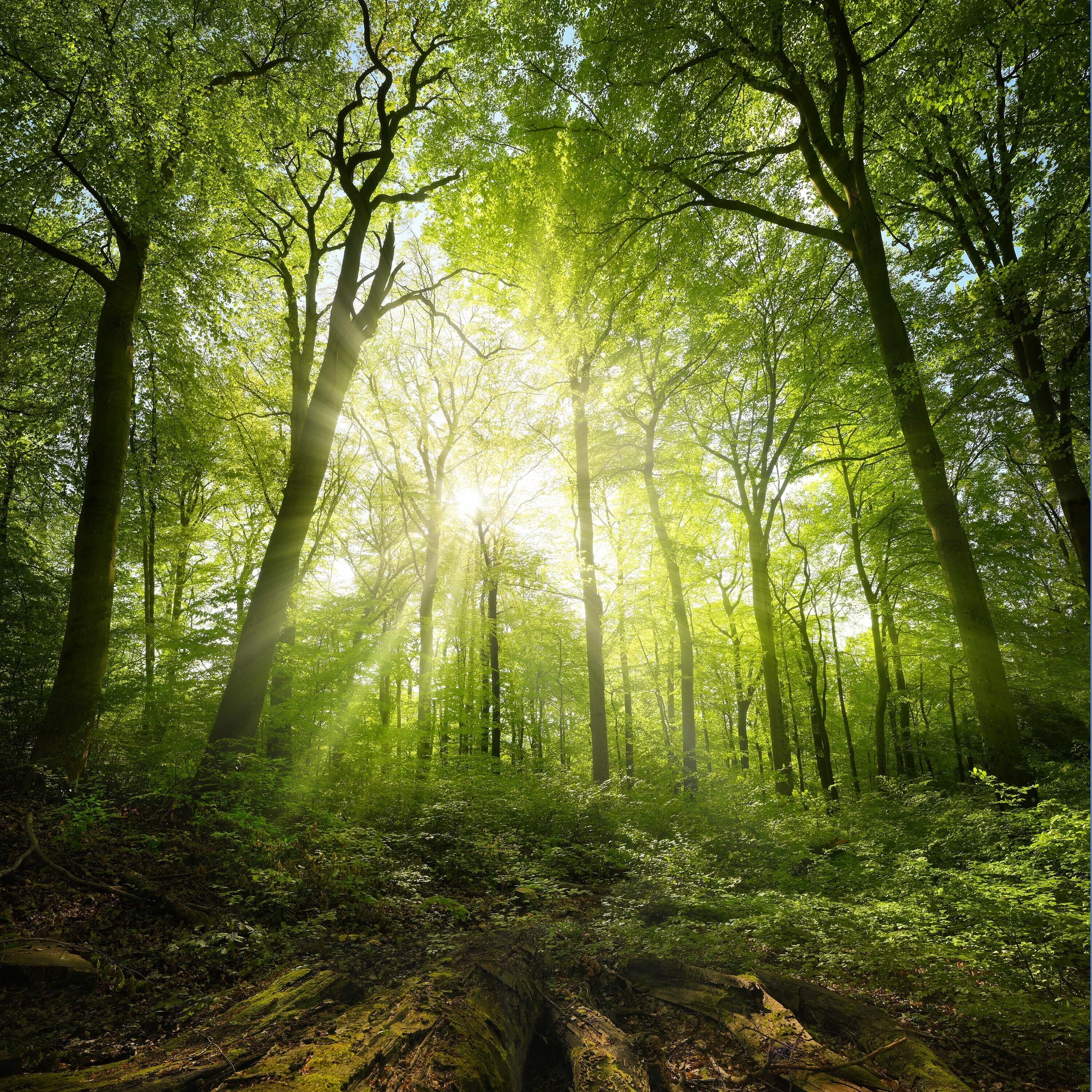
随着第一个音符响起,那贯穿所有音域和乐器的持续和声A音,我们便置身于大自然之中,在森林里,正午的夏日阳光透过所有枝叶颤抖闪烁。
With the first note, the long sustained harmonic a in all registers and instruments, we are in the midst of nature, in the forest where the summer midday sunshine shivers and glitters between all the branches.
马勒小时候,有一天父亲带他到镇郊的树林,把他留在那里去办件事。
When Mahler was a young boy, his father took him to the woods on the outskirts of town one day and left him there to run an errand.
我总想象这是透过纯真童眼所见大自然神秘与奇妙的声音。
I always imagined this is the sound of the mystery and wonder of nature as seen through young and innocent eyes.
几小时后,早已忘记儿子的马勒父亲回来时,发现马勒仍坐在原地,小男孩完全被周围大自然的景象与声音迷住了。
When Mahler's father returned several hours later, having forgotten all about his son, he found Mahler sitting in the same spot, the young boy fascinated by the sights and sounds of nature surrounding him.
那片森林位于一个叫伊格劳的小镇郊外,即现今捷克共和国境内。
The forest was on the outskirts of a town called Yglau, in what is now the Czech Republic.
坐在森林里的马勒既能听见自然之声,也能听到镇上军乐队的演奏。
Sitting there in the forest, Mahler would have heard sounds of nature, but also sounds from the town, military bands.
这幅森林画卷中蕴含着美妙的静谧——微光浮动的空气、大自然的神秘,还有鸟鸣啁啾。
There's a beautiful stillness in this portrayal of the forest, the glimmering of the air, the mystery of nature, and birdsong.
指挥家迈克尔·蒂尔森·托马斯。
Conductor Michael Tilson Thomas.
他作品中的许多元素都与在伊格劳的早年岁月有关,那些经历就是他日常生活的一部分。
So much of what's there has to do with those early years in Iglal and the experiences that were just part of his daily life there.
伊格劳曾是摩拉维亚的军事前哨,年幼的马勒经常听到军乐队行进演奏,这些号角声的灵感正源于此。
Iglau was a military outpost in Moravia, and the young Mahler would have heard marching bands frequently, which is where he gets these fanfares.
他还会在中央广场的节日庆典上、在父亲的酒馆里听到各种类型的音乐。
He would have heard many other kinds of music at festivals in the central square, in his father's tavern.
他耳中曾存在这样一种声音景观,而记录这种声景——更重要的是记录他对声景的情感反应——正是他创作的核心目的。
There would have been a kind of soundscape which he was hearing, and it was the setting down, the kind of recording of that soundscape, and more importantly, his emotional reactions to the soundscape that really became the purpose of what he was writing.
马勒将自己塑造成交响曲中的核心人物。
Mahler would make himself the central figure in his symphony.
娜塔莉·鲍尔-莱希纳与马勒于19世纪70年代中期在维也纳音乐学院相识,两人当时都在那里学习。
Natalie Bauer Lechner met Mahler at the Vienna Conservatory in the mid eighteen seventies where they both studied.
1888年,马勒在快速创作第一部交响曲时,正以指挥家身份崭露头角。
Mahler was establishing himself as a conductor when he quickly wrote his first symphony in 1888.
娜塔莉对此记忆犹新。
Natalie remembered it vividly.
马勒在莱比锡用六周时间完成了整部交响曲创作,期间还持续进行指挥和排练工作。
Mahler composed the whole symphony in Leipzig within six weeks while constantly conducting and rehearsing.
他每天从起床工作到上午十点,晚上有空闲时也继续创作。
He worked from the time he got up until 10:00 in the morning and in the evenings when he was free.
那年马勒几乎没有个人时间,直到德国皇帝驾崩。
Mahler had little time to himself that year, but then the German emperor died.
所有日常活动因哀悼期而暂时中止。
All normal activity temporarily came to a halt for a period of mourning.
他充分利用了这十天时间。
Ten days of which he took the fullest advantage.
这是十天高强度的创作期。
Ten days of intensive composition.
当月晚些时候,马勒给童年好友弗里茨·洛尔写了信。
Later that month, Mahler wrote to his childhood friend, Fritz Lohr.
亲爱的弗里茨,我的作品已经完成了。
My dear Fritz, well, my work is finished.
现在我想让你坐在我的钢琴旁,为你演奏。
Now I should like to have you by my piano and play it to you.
或许你是唯一能从中认出原本的我的人。
Probably you are the only person who will find me unchanged in it.
其他人肯定会为许多事情感到惊讶。
The others will doubtless wonder at a number of things.
弗里茨本应能辨认出马勒从早期作品中借鉴的段落,这些段落被融入了这部新扩展的作品中。
Fritz would have recognized passages Mahler had borrowed from earlier compositions, blended into this new extended work.
结果如此震撼人心。
It's turned out so overwhelming.
它像山洪般从我心中奔涌而出。
It came gushing out of me like a mountain torrent.
今年夏天,你将听到它。
This summer, you shall hear it.
突然间,我体内所有的闸门都打开了。
All of a sudden, all the sluice gates in me opened.
也许某天我会告诉你这一切是如何发生的。
Perhaps one of these days, I shall tell you how it all happened.
春天正把我赶出屋子。
Spring is driving me out of the house.
我必须出去再次深呼吸新鲜空气。
I must get out and once again take deep breaths of fresh air.
过去六周里,我眼中只有我的书桌。
For the last six weeks, I have seen nothing but my desk.
其中之一
One of
弗里茨在第一乐章中能辨认出的旋律,源自马勒三年前创作的一首歌曲。
the melodies Fritz would have recognized in the first movement comes from a song Mahler had written three years earlier.
这是受约翰娜·里斯特尔启发创作的数首歌曲之一,她是德国中部城堡剧院的女高音,当时马勒正在那里担任指挥。
This was one of several songs inspired by Johanna Riester, a soprano at the Castle Theater in Central Germany where Mahler was working as a conductor.
他们曾有过一段激烈的恋情,但未能长久。
They had a tempestuous romance, but it didn't last.
马勒在给弗里茨的信中提及此事。
Mahler wrote about it to Fritz.
我已创作了一套歌曲集,目前完成六首,全部题献给她。
I have written a cycle of songs, six of them so far, all dedicated to her.
整套歌曲的主题是:一个被命运击中的流浪者,此刻正坐看世界,任由道路引领他去往任何地方。
The idea of the songs as a whole is that a wayfaring man who's been stricken by fate now sits forth into the world traveling wherever his road may lead him.
在这首歌中,我们看到流浪者以天真的惊奇凝视着自然,而它
In this song, we find the wayfarer looking at nature with wide eyed wonder, and it
正是马勒借用于第一乐章的这段旋律。
was this melody that Mahler borrowed for the first movement.
马勒原版歌曲的歌词近乎童谣,他担心评论家们不会欣赏。
The lyrics of Mahler's original song were almost childlike, and he worried that critics wouldn't appreciate them.
这些歌词是我自己写的。
The words of the songs are my own.
我没有在节目单上署名,以免给那些善于嘲讽天真质朴风格的对手提供攻击的弹药。
I did not give my name to the program to avoid providing ammunition for adversaries who would be quite capable of parodying the naive and simple style.
这是马勒天真质朴的歌词译文。
Here are Mahler's naive and simple lyrics in translation.
今晨我漫步田野,露珠仍缀满草叶。
As I walked this morning through the field, the dew still hung upon the grass.
玛丽·芬奇向我呼唤。
The Mary Finch called out to me.
嘿。
Hey.
那边的你。
You there.
祝你今天愉快。
Good day to you.
这世界难道不美妙吗?
Isn't this a splendid world?
啾啾。
Tweet.
啾啾。
Tweet.
晴朗明媚。
Fine and bright.
噢,我多么热爱这世界。
Oh, how I love the world.
这位是玛丽莲·麦考伊,纽约哥伦比亚大学的音乐教授。
Here's Marilyn McCoy, a music professor at Columbia University in New York City.
他想将森林带入我们的脑海。
He wants to bring the forest into our minds.
而且,你知道的,你可以听到树叶沙沙作响。
And, you know, you can have the rust rustling of the trees.
这有点难做到。
That's kind of hard to do.
但如果你引入鸟儿,那么树木自然也会随之而来。
But if you bring in birds, then you bring in trees.
在第一乐章中,听众需要化身为音乐界的观鸟者。
Throughout this first movement, audiences need to become musical bird watchers.
竖起耳朵仔细听,鸟儿会从意想不到的地方探出头来。
Keep your ears open, and the birds will peek out from unexpected places.
马勒的朋友娜塔莉·鲍尔-莱希纳是这样描述的。
Mahler's friend, Natalie Bauer Lechner, put it this way.
马勒对自然界的所有声音都非常敏感。
Mahler has a very sensitive ear for all the sounds of nature.
比如布谷鸟的叫声,在他的第一交响曲中扮演着欢快活泼的角色。
The cuckoo's call, for instance, which plays such an exuberantly cheerful role in his first symphony.
波士顿交响乐团的比尔·哈德金斯表示,单簧管演奏者要模仿这个声音并不容易。
Bill Hudgens of the Boston Symphony Orchestra says it's not easy for a clarinet player to imitate.
就我而言,作为首席单簧管手,其中
For my part, the principal clarinet part, one
对我来说最棘手的部分就是那些布谷鸟的叫声。
of the trickier things for me is all the cuckoos.
马勒将其铺展开来。
Mahler spreads it out.
我是说,你能在长笛中听到它。
I mean, there's you hear it in the flute.
你在短笛中经常能听到,但他用第一单簧管来表现
You hear in the piccolo quite a bit, but he uses the first clarinet to do it
很多。
a lot.
马勒称鸟类是最早的作曲家。
Mahler called birds the first composers.
即使还是个孩子时,我就被鸟鸣所震撼。
Even as a child, I was struck by birdsong.
我注意到它如何开始于有意识的歌唱和明确的节奏旋律,但随后会变成含糊不清的啁啾声,就像四足动物用后腿站立片刻,但立即又四肢着地。
I noted how it would begin with conscious singing and a definite rhythm and melody, but then would turn into inarticulate twittering, like a four footed animal standing on two legs for a moment, but immediately falling back on all fours again.
我是说,如果你听过欧洲杜鹃鸟的现场叫声,还挺有趣的。
I mean, it's kind of funny if you've ever heard a European cuckoo bird live.
我在那边的树林里听到过它们。
I've heard them out in the woods there.
几乎从不变化。
It never hardly varies.
而这就是树林里杜鹃的真实叫声。
And here's what a cuckoo out in the woods really sounds like.
蒙特利尔交响乐团指挥肯特·纳戈内尔说,马勒的创作手法绝非简单。
Mahler was far from unsophisticated in his writing, says Kent Nagonell, conductor of the Montreal Symphony Orchestra.
这部首部交响曲展现了一位非常成熟的作曲家,可以说从纯技术角度看已完全成型。
This first symphony reflects a very mature composer, a composer who is really, you could say, fully developed from a purely technical point of view.
马勒创作第一部交响曲时年仅27岁。
Mahler was 27 years old when he put together his first symphony.
另一方面,我认为我们作为公众成员,都能从这些早期交响曲中感受到青春气息,并从中获得极大愉悦。
On the other hand, I think we all, as public members, we rejoice and we take a lot of pleasure in hearing the youthfulness in these young, early symphonies.
你可以称之为——从积极意义上说——一种对世界的天真认知。
And you could call it, the positive sense, a kind of naive sort of relationship with the world.
比如引用鸟鸣声、环境声响、进行曲等,这些都体现着青春特质,展现着对周遭世界天真烂漫的感知与描绘。
Quoting birdsongs, for example, quoting the sounds around you, marches, all of this could be seen as very youthful, as kind of a naive relationship with the world around and a naive portrayal.
马勒最初将开篇乐章命名为《青春岁月》。
Mahler originally called the opening movements from the days of youth.
但我认为更重要的是,我指的是我们人类共有的那种内在的天真情感。
But it's more, I think, I'm referring to these inner feelings of naivete that we all have as human beings.
一种对周遭世界积极乐观的态度——既意识到危险存在,同时又沉醉于对世界的礼赞之中。
A very positive outlook to the world around us with an awareness that there's danger, but at the same time a kind of reveling or celebrating that world around us.
马勒的音乐具有非常独特的自传性元素。
Mahler's music has a very special autobiographical element about it.
圣路易斯华盛顿大学专攻德奥文化的卡罗琳·凯塔教授
Caroline Keita, a professor specializing in German and Austrian culture at Washington University in St.
指出马勒的交响曲可被视为音乐小说。
Louis, says Mahler symphonies can be thought of as musical novels.
它们具有史诗般的长度。
They are epic in length.
它们发展出音乐性的声音,你可以将其视为随着乐章推进而成长变化的角色。
They develop musical voices, which you might think of as kind of characters that grow and change over the course of movements.
因此你能感受到他的音乐中存在某种叙事弧线。
So you have a sense there's a kind of narrative arc happening in his music.
一条属于马勒自身生命的叙事弧线。
A narrative arc that belongs to Mahler's own life.
长久以来,人们一直对马勒试图表达的内容及其音乐背后的思想很感兴趣。
People have for a long time been interested in what Mahler was trying to say, the ideas behind his music.
马勒常将自己的音乐视为某种文本。
Mahler often thought of his music as a kind of text.
我是说,当人们研究他的音乐时,会发现有许多可供分析的文本素材。
I mean, there are many texts to analyze when one looks at his music.
当我们穿越马勒的音乐之旅时,会遇到许多嵌入他交响曲中的歌曲和歌词。
As we journey through Mahler's music, we'll come across many songs and lyrics embedded in his symphonies.
有时,马勒会给单个乐章命名。
And sometimes, Mahler gave titles to individual movements.
他非常抗拒那种认为他在试图传达某个特定叙事的观点。
He was very much resistant to the idea that there was one specific narrative that he was trying to convey.
正因如此,许多原始标题在最终版本中被删除了。
And for that reason, many of his original titles were removed in the final drafts.
马勒认为音乐本身就应该传递意义。
Mahler believed his music alone should convey the meaning.
波士顿交响乐团的比尔·哈德金斯。
Bill Hudgens of the Boston Symphony Orchestra.
我认为马勒第一交响曲的整个第一乐章,就像是春天极其美妙的发展过程。
That whole first movement of the Mahler one, I think, is is really kind of like a quite beautiful development of spring.
我是说,这感觉非常像春天的苏醒。
I mean, feels very much like the awakening of spring.
马勒曾一度将这个乐章称为'无尽的春天'。
At one point, Mahler called this movement spring without end.
马勒的朋友娜塔莉详细阐述过这一点。
Mahler's friend Natalie elaborated.
在第一乐章中,我们被他那种酒神式的肯定情绪所席卷,至今没有任何事物能打破或干扰这种情绪。
In the first movement, we are swept along by his mood of Dionysian affirmation, which so far nothing has broken or troubled.
我们最初的主题和节奏都源于自然。
It's in nature that we find our initial themes and rhythms.
她通过不同动物的声音,非常简洁地向我们呈现了这些主题。
She offers them to us very succinctly in the sounds made by each different animal.
人类作为艺术家,从周围世界中获取形式和题材,并自然赋予其完全不同的更广泛意义——要么因为他处于与自然和谐相处的极乐状态,要么因为他正与自然进行痛苦消极的敌对冲突,又或者因为他试图通过站在象牙塔顶端嘲笑自然来摆脱她。
Man, the artist, derives his forms and subject matter from the world around him to which he naturally lends a totally different and much wider meaning, either because he's in a state of blissful harmony with nature or because he's in painful or negative and hostile conflict with her, or again, because he's trying to rid himself of her by laughing at her from the top of his ivory tower.
这些就是艺术家风格最严格意义上的源泉——有时高贵崇高,有时感伤悲怆,有时讽刺幽默。
Such are the sources, in the most restrictive sense of the word, of an artist's style, which is sometimes noble and sublime, sometimes sentimental and tragic, and sometimes satirical and humorous.
马勒在第一交响曲中表达了所有这些特质和情绪。
Mahler expresses all of these qualities and moods in the first symphony.
开篇乐章高贵而崇高。
The opening movement is noble and sublime.
第三乐章则充满讽刺与幽默。
The third movement is satirical and humorous.
我们将在终章触及感伤与悲剧。
We'll get to sentimental and tragic in the finale.
创作就像玩积木游戏
Composing is like playing with building blocks
用同样的积木反复搭建出新建筑。
where new buildings are created again and again using the same blocks.
确实,这些积木自童年起就准备就绪——那是唯一为收集而设计的时光。
Indeed, these blocks have been there ready to be used since childhood, the only time that is designed for gathering.
如果我们观察马勒这部交响曲使用的音乐积木,会发现一个突出的音程。
If we look at the building blocks Mahler used for this symphony, there's a musical interval that stands out.
音程是指两个音符之间的距离。
A musical interval is the distance between two notes.
玛丽莲·麦考伊。
Marilyn McCoy.
第一交响曲最显著的特点之一就是纯四度的普遍运用。
One of the most notable things about the first symphony is the prevalence of the perfect fourth.
纯四度听起来是这样的,马勒用这个音程开启了乐章。
A perfect fourth sounds like this, the interval that Mahler used to open the movement.
现实中杜鹃鸟不会唱纯四度,但马勒让他的交响杜鹃唱出了纯四度。
In real life, cuckoos do not sing a perfect fourth, but Mahler makes his symphonic cuckoos sing a perfect fourth.
主旋律的开篇同样是个纯四度。
And the opening of the main melody is also a perfect fourth.
纯四度贯穿第一交响曲所有乐章的音乐织体。
Perfect fourths are part of the musical fabric in all the movements of the first symphony.
这有助于统一整个作品。
This helps unify the entire composition.
马勒使用的另一种技巧是音乐预示,他会预先展示后续的内容。
Another technique Mahler uses is musical foreshadowing where he gives a preview of what's to come later.
通常当你听到时,你不会意识到这是预示,因为它被如此无缝地编织进乐曲中。
Often when you hear it, you don't know it's foreshadowing because it's woven into the piece so seamlessly.
例如,第一乐章的这个部分听起来与我们目前听到的任何内容都不同。
For instance, this part of the first movement doesn't sound like anything we've heard so far.
但这个段落将会在终章重现。
But this passage is going to reappear in the final movement.
还记得开头那些号角声吗?
And remember those fan fairs at the beginning?
他埋下这些音乐种子,让它们能在后续绽放。
He planted those musical seeds so they could blossom later on.
音乐受永恒进化、永恒发展的法则支配,就像世界一样,即使在同一个地方也总是在变化,永远新鲜。
Music is governed by the law of eternal evolution, eternal development, just as the world, even in one and the same spot, is always changing, eternally fresh and new.
玛丽莲·麦考伊解释了马勒如何在长篇作品中发展音乐构思的一种方式。
Marilyn McCoy explains one way Mahler grows his musical ideas across a long form composition.
一段号角声会凭空形成。
A fanfare or something will form out of nothing.
他会听到它,然后以非常轻柔的方式呈现出来。
He'll hear it, and then it'll be presented really softly.
你知道,谁在乎呢?
You know, who cares?
然后它会再次呈现。
And then it'll be presented again.
规模会更大。
It'll be bigger.
接着,它会在乐章末尾像爆炸般转化为另一种形态。
And then it'll, like, explode at the end of the movement into something else.
保罗·贝克尔,这位二十世纪二十年代马勒的早期评论家,创造了'突破'一词来描述马勒交响曲中这类乐段。
Paul Becker, an early commentator on Mahler in the nineteen twenties, came up with the term breakthroughs to describe these kinds of passages in Mahler's symphonies.
那些巨大的高潮以其强烈程度震撼我们,并将我们提升至更高境界。
Huge climaxes that surprise us with their intensity and lift us up to a higher place.
我们将在第四乐章中看到更多突破。
We'll see more breakthroughs in the fourth movement.
与此同时,马勒以令人眩晕的喜悦结束了第一乐章。
In the meantime, Mahler wraps up the first movement with giddy delight.
波士顿交响乐团的比尔·哈德金斯。
Bill Hudgens of the Boston Symphony Orchestra.
某种程度上,你可以将整个乐章视作一朵花缓缓绽放的漫长过程。
In a certain way, you can view the whole movement as almost one long opening of a flower.
听起来确实如此,但它只是不断微微绽放,直到最后几乎形成整片盛开的花海,景象极为壮丽。
It sounds like that, but it just keeps slightly opening more and more until at the end, it's almost like there's a whole field of flowers that have opened, and it's quite glorious.
在乐章结尾,我的英雄爆发出阵阵笑声,清醒地奔跑起来。
At the end of the movement, my hero bursts into a roar of laughter and runs awake.
关于 Bayt 播客
Bayt 提供中文+原文双语音频和字幕,帮助你打破语言障碍,轻松听懂全球优质播客。