本集简介
双语字幕
仅展示文本字幕,不包含中文音频;想边听边看,请使用 Bayt 播客 App。
欢迎收听《哈莱姆无处不在》,由大都会艺术博物馆为您呈现,庆祝展览“哈莱姆文艺复兴与跨大西洋现代主义”。我是主持人杰西卡·林恩,一名作家兼艺术评论家。这是第一集《新黑人》。我撰写散居各地的黑人视觉艺术家,尤其关注美国黑人的南方生活与文化。
Welcome to Harlem is Everywhere, brought to you by the Metropolitan Museum of Art, a celebration of the exhibition, the Harlem Renaissance and Transatlantic Modernism. I'm your host, Jessica Lynn. I'm a writer and art critic. This is episode one, The New Negro. I write about black visual artists throughout the diaspora, and I'm especially interested in black southern life and culture.
我在弗吉尼亚海岸长大,但成年后几乎一直住在纽约。尽管大家说这里是“北上后的南方”,我仍在城里——尤其是哈莱姆——看到无数童年的影子:从灵魂食物餐厅到美发沙龙,再到门廊上的讲故事场景,让我想起老家前廊的聚会。第一次踏进哈莱姆,我就觉得自己仿佛一直属于这里。为了让这段历史在大都会博物馆之外鲜活起来,我们为你制作了这档播客。
I grew up along the Virginia Coast, but I've been in New York now for practically all my adult life. And even though I'm up south, as they say, I see so many aspects of my childhood in the city, especially in Harlem. From the soul food restaurants to the hair salons and the storytelling on stoops that reminded me of what would happen on the porches back home. Even when I first got to Harlem, I felt like I'd always been in Harlem. To bring this time period to life beyond the walls of the Metropolitan Museum of Art, we have a podcast for you.
本播客献给好奇的耳朵,是一场关于时代与地点的对话,也是一次对首个由非裔美国人主导的国际现代艺术运动的回望。本集里,我们将听到贯穿本系列的嘉宾声音;探讨大迁徙的意义与艾伦·洛克开创性文集《新黑人》的出版;了解历史上的黑人高校如何守护这些艺术品;并以应有的敬意铭记这段时光与这些艺术家。
This podcast is a resource for curious ears, a conversation about a time and place, and a look at the first black American led movement of international modern art. In this episode, we'll hear from guests featured throughout this series. We'll explore the significance of the great migration and the publication of Elaine Lok's groundbreaking anthology, The New Negro. We'll learn how historically black colleges and universities have acted as shepherds of this artwork, and will recognize this time and these artists with the respect they deserve.
我认为人们渴望非裔美国文化被认可为艺术。
I think there was a hunger for African American culture to be recognized as art.
无论是芝加哥、华盛顿特区还是纽约市,非裔美国人或加勒比移民都在再次融合,开启崭新的生活。
Whether it's Chicago or Washington DC or New York City, there's this conflation of African Americans or people from the Caribbean kind of living again these new lives.
我深深震撼于这些艺术家拥有如此强烈的自主意识。
I was really struck by the extent to which the artists had a very fierce sense of self determination.
并且,哈莱姆文艺复兴艺术家与普通黑人之间开启了一场对话,无论他们身在何处。
And also a conversation that was initiated between Harlem Renaissance artists and ordinary black people no matter where they were.
这是黑人美国的关键时刻,如此多非裔美国人从南方农村迁往北方城市。
This is such a pivotal moment in a black America. So many African Americans have moved from the rural South to the urban North.
他们能够用自己的方式阐明信仰,以及他们认为非裔美国艺术家该如何自我表达。
And were able to articulate on their own terms what they believed and how they believed African American artists should express themselves.
哈莱姆文艺复兴及其艺术的“后世”耐人寻味——关于这场运动的艺术与创作者,持续的关注其实并不多。
What's interesting about the afterlife of the Harlem Renaissance and its art is that there hasn't been very much sustained attention on the art of the Harlem Renaissance and the artists that produced it.
如果你要对二十世纪艺术或现代艺术做一项调查,当年我上课时,他们会讲巴黎画派、罗马表现主义,如果谈到美国这边,就是施蒂格利茨、霍珀等等,几乎不会提到哈莱姆文艺复兴。唯一研究哈莱姆文艺复兴的办法是去修一门纵向课程,一百年或者两百年的非裔美国艺术史。你得主动去寻找这个时期。
If you were to take a survey of twentieth century art or modern art, when I was taking classes, they would go through the School of Paris, Roman expressionism, if they're talking about the American side, Stieglitz, Hopper, etcetera, and no mention really of the Harlem Renaissance. The only way to study the Harlem Renaissance was to take one of the vertical courses, one hundred years or, you know, two centuries of African American art. You have to seek the period out.
哈莱姆既是一个不断演变的社区,也是一部关于一个民族之美的活档案。哈莱姆文艺复兴时期,黑人用他们自己创造的东西、他们对文化的贡献,把自己的故事写进更宏大的美国叙事。大迁徙之后,许多人为了逃离南方的吉姆·克劳法,前往芝加哥、费城、纽约等城市,希望重新开始,想象新的未来。哈莱姆文艺复兴是一场把兰斯顿·休斯、佐拉·尼尔·赫斯顿、W·E·B·杜波依斯等思想家和作家变成家喻户晓名字的运动。
Harlem exists simultaneously as a constantly evolving community and as a living archive of a people's beauty. The Harlem Renaissance was a time when Black folks were using the things they had made, their contributions to culture, in order to add their stories to a larger American one. After the Great Migration, many folks fled Jim Crow in the South for cities like Chicago, Philadelphia, and New York, hoping for a fresh start, imagining a new future. The Harlem Renaissance was a movement that turned thinkers and writers such as Langston Hughes, Zora Neale Hurston, and W. E.
它大胆、激动人心、改变世界。那是一个黑人能够以自己的方式向自己表达自己的时代,不仅发生在哈莱姆,也发生在美国乃至海外的各个社区。哈莱姆文艺复兴是一种心态。
B. Du Bois into household names. It was bold, exciting, and world changing. A time when Black people were able to express themselves in their own way to themselves, not just in Harlem, but throughout communities across America and overseas. The Harlem Renaissance was a mindset.
丹妮丝是《哈莱姆文艺复兴与跨大西洋现代主义》的策展人。
Denise is the curator of the Harlem Renaissance and Transatlantic Modernism.
大家好,我是丹妮丝·莫雷尔。
Well, hello. I'm Denise Morell.
她与哈莱姆的联系不仅是职业上的,也是个人的。
Her connection to Harlem is not only professional, it's personal.
我出生在哈莱姆医院。我的父母都来自北卡罗来纳。哈莱姆文艺复兴之后的几十年,也就是五十年代和六十年代,我的父母来到纽约。后来我才知道,他们属于大迁徙的后期或中期。
I was born in Harlem Hospital. My parents are both from North Carolina. The decades immediately following the Harlem Renaissance, the fifties and the sixties are when my parents came to New York. I later came to understand them to be part of the later years or the middle years of the great migration.
二十世纪初,生活在南方的黑人开始向北迁移。南方人遍布全国,在各个社区定居。他们远至洛杉矶、奥克兰、西雅图,但大多数人向北搬到芝加哥、底特律、费城等城市。纽约一直都有来自全球黑人散居各地的黑人人口。
At the beginning of the twentieth century, black people living in the South began to migrate north. Southerners spread across the country to settle in various communities. They traveled as far as Los Angeles, Oakland, and Seattle. But the majority moved north to cities like Chicago, Detroit, and Philadelphia. New York had always had a black population with folks from all over the global black diaspora.
但来自南方的移民让这个数字呈指数级增长,而哈莱姆原本并不是为非洲裔美国人建造的社区,由于一系列经济等原因,它成了目的地,并很快变成以黑人为主的区域。
But the migration from the South expanded those numbers exponentially and Harlem, was not built to be an African American neighborhood for a number of economic and other reasons, became the destination and very quickly became predominantly black.
在这些背井离乡的人中,有艺术家。他们北上,希望找到出路,寻找同行与社群,寻求新的观众与机会。
Among these people leaving home and family behind were artists. They traveled north with the hope of finding a way forward, in search of peers and community, seeking new audiences and opportunities.
搬到城市中心给了人们重新想象自我的机会,但这也有点可怕。
Moving to urban centers gave people a chance to kind of reimagine themselves, but that can be a little scary too.
这位是理查德·J·鲍威尔。
Here's Richard J Powell.
我是一名艺术史学家,在北卡罗来纳州达勒姆的杜克大学任教。今年秋天,我在大都会艺术博物馆的劳德现代艺术研究中心驻留。
I'm an art historian. I teach at Duke University in Durham, North Carolina. And this fall, I'm in residence at the Metropolitan Museum of Art in the Lauder Center for Research on Modern Art.
尽管许多人在南方逃离了危险的处境,但为自己冒险、离开熟悉的一切也可能令人恐惧。
Even though many were leaving dangerous circumstances in the South, taking a chance on yourself and leaving what you know behind can be frightening.
理查德·赖特的《黑孩子》里有一句很棒的话,他谈到从密西西比到芝加哥时,说“我把自己抛向未知”。这就像一条轨迹,就像把自己抛向混凝土、城市和沥青的地方,你希望梦想会实现,但你并不确定。
There's a great line from Richard Wright's Black Boy where he talks about, I flung myself into the unknown when he makes it from Mississippi to Chicago. And it is kind of like a trajectory. It is like kind of flinging yourself into this kind of, concrete and urban and asphalt place, you're hoping that that your dreams are gonna come true, but you're just not really sure.
这些人所承担的风险体现了他们对变革的渴望。许多人的父母可能出生在奴隶制下。很难想象来自田纳西、阿拉巴马、北卡罗来纳的社区
The risk these folks were taking speaks to the willingness for change. Many of their parents would have been born into slavery. It's hard to imagine coming from communities in Tennessee, Alabama, North Carolina
南卡罗来纳或乔治亚,然后来到第五大道120号和伦诺克斯大道,走出地铁,一方面被迷住,另一方面又有点害怕。
South Carolina or Georgia and hitting 120 Fifth And Lenox Avenue coming out of the subway, and on one hand being mesmerized, but on the other hand being a little scared.
当这些艺术家找到社群,与其他志同道合的人建立联系时,那一定格外有意义。风险是值得的。他们正在蓬勃发展。他们受到启发。他们创作的作品将定义哈莱姆文艺复兴。
It makes sense that when these artists found community and connected with other like minded individuals, it must have been all the more meaningful. The risk had been worth it. They were thriving. They were inspired. They were creating work that would come to define the Harlem Renaissance.
许多人共同塑造并影响了这一时期的理念。但有两个名字是这个故事的核心:活动家、历史学家和社会学家 W. E. B. 杜波依斯,以及作家、哲学家和教育家阿兰·洛克。
Many people are responsible for helping shape and mold the ideals of this period. But there are two names central to this story: the activist, historian, and sociologist W. E. B. Du Bois and the writer, philosopher, and educator, Alain Locke.
这位是丹尼斯。
Here's Denise.
伊莱恩·洛克更植根于艺术界和先锋美学,鼓励艺术家发展出一种专门属于非裔美国人的现代主义视觉语汇。
Elaine Locke was more rooted in the art world and avant garde aesthetics and encouraging artists to evolve a modernist visual vocabulary that was specifically African American.
杜波依斯采取了不同的方式。
Du Bois took a different approach.
W. E. B. 杜波依斯支持这一点,但他从行动主义的角度出发。他是《危机》杂志的编辑,该杂志是全国有色人种协进会的月刊。
W. E. B. Du Bois supported that, but he came at it from an activist point of view. He was the editor of the Crisis Magazine, which was the monthly publication of the NAACP.
他说,我不在乎任何不是宣传的艺术。我们一生都被宣传轰炸,我们也要把自己的宣传放出去。于是你有这两种观点:一种是美学的,一种是行动主义的。
And he said, I don't give a damn about any art that is not propaganda. We've had propaganda thrown at us all of our lives, and we're gonna put our own propaganda out there. So you have these two. One is aesthetic and one is activist.
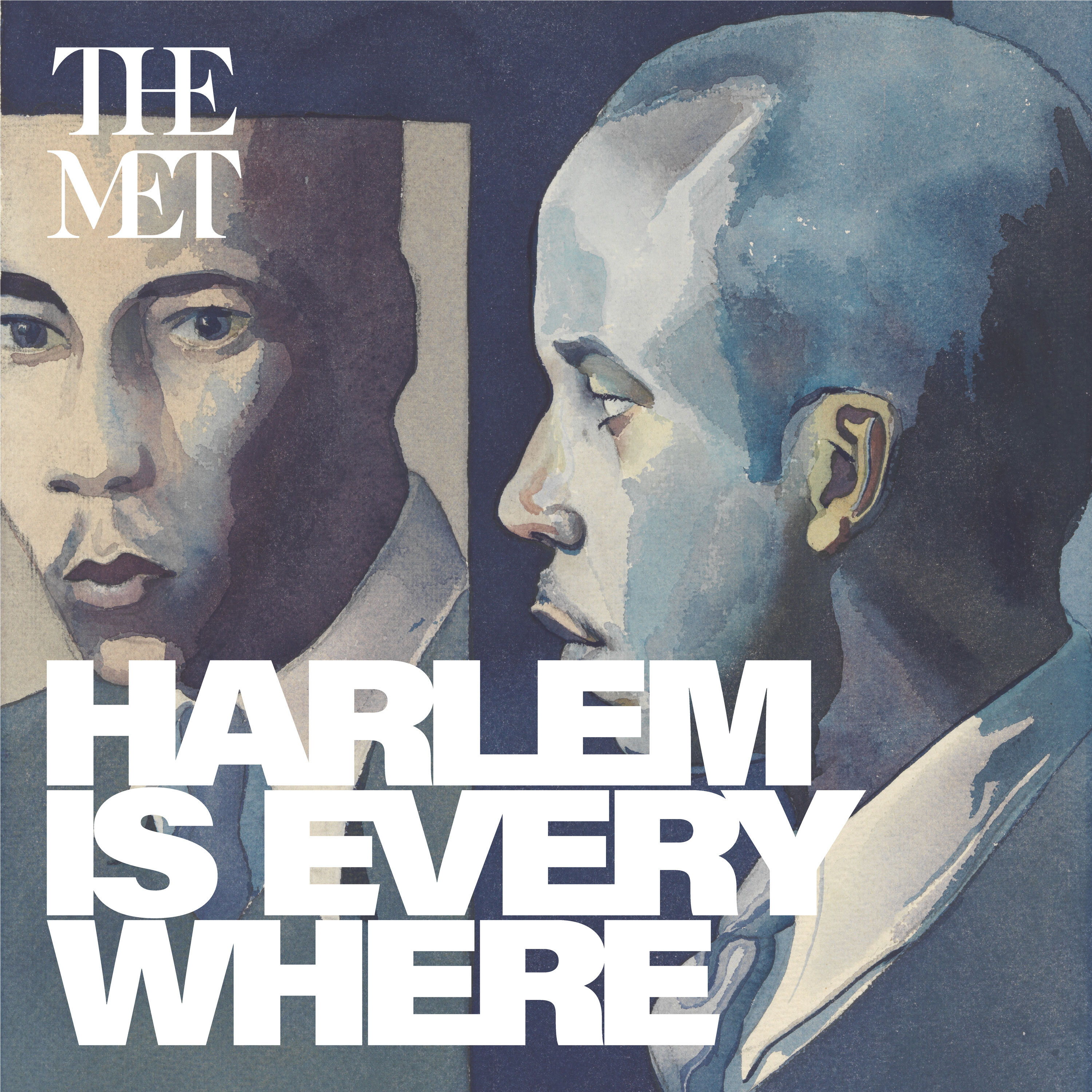
展览中有一幅丹尼斯收录的塞缪尔·约瑟夫·布朗 Junior 的水彩自画像,它体现了杜波依斯关于艺术价值及其传达力的理念。这幅画透着忧郁,以蓝灰色调描绘一名男子凝视镜中的自己。你可以在节目描述中找到这幅画的链接。
There's a painting Denise included in the exhibition by Samuel Joseph Brown junior. It's a self portrait in watercolor and it speaks to Du Bois' idea about the value of art and what it can communicate. There's a sense of melancholy in this painting. In tones of blue and gray, a man is looking at his reflection in a mirror. You can find a link to the painting in the episode description.
塞缪尔·约瑟夫·布朗的自画像是真正代表“新黑人运动”核心思想的作品之一,但却被历史所遗忘。我清楚地记得第一次看到它——之前从未见过,它自20世纪40年代起就收藏在大都会博物馆。我看着它,立刻想到W.
Samuel Joseph Brown's self portrait is an example of a work that really represents some of the core ideas of the New Negro movement, but that was kind of lost to our history. And I specifically remember coming across this. I've never seen it before. It's been in the Mets collection since the nineteen forties. I look at this and I immediately think about W.
E. B. 杜波依斯的双重意识。
E. B. Du Bois, the double consciousness.
杜波依斯在1903年的奠基之作《黑人的灵魂》中首次提出“双重意识”这一概念。
Du Bois first introduced this idea of double consciousness in his foundational work, The Souls of Black Folk in 1903.
一方面始终意识到自我审视,努力发展自己真实的自我表达与自我再现方式;另一方面又始终意识到被占多数的白人人口的外部凝视所定义——那是一种种族化的凝视。
Always conscious of, on the one hand, looking at oneself, attempting to develop one's own authentic mode of self expression, self representation, but always conscious of being defined by the external gaze of the majority white population and that is a racialized gaze.
这种凝视与南方的种族隔离以及北方的制度性种族主义并存。
And that's a gaze that exists alongside segregation in the South and institutional racism in the North.
当你看着它时,你会发现这是艺术家凝视自我的呈现,但并非精确再现。透视是歪斜的,它不对称,我认为这捕捉并唤起了那个时期现代艺术所定义的非自然主义美学。它也捕捉了一种心理:总是感到略微失衡,无法以自己所选择的方式完整表达自身存在。他
And when you look at this, you see that it is a representation of the artist looking at himself, but it's not an exact representation. The, perspective is off. It's asymmetrical and I think that captures and invokes some of the non naturalistic, aesthetics that define modern art of the period. It also captures the psyche of always feeling just slightly off balance and not able to fully articulate one's existence in the way that one would choose. He was
是“体面政治”的坚定支持者——在社会上展现最好的一面,成为社区领袖,即使这意味着迎合白人精英的品味与价值观。洛克在哈佛攻读哲学,是首位获得罗德奖学金进入牛津深造的黑人。毕业时,他已深谙如何在白人制度中游刃有余。但洛克的审美逐渐远离宣传,转而拥抱哈莱姆文艺复兴黑人艺术家在更大艺术世界中的相关性。无论手段如何,他们都朝着共同目标努力。
a strong proponent of respectability politics, putting your best foot forward in society and becoming a leader in your community, even if it means pandering to the taste and values of a white elite. Locke studied philosophy at Harvard and was the first black person to receive a Rhodes Scholarship to study at Oxford. He graduated well aware of how to navigate within white institutions. But Locke's aesthetic moved away from propaganda and towards an embracing of the Black artists of the Harlem Renaissance's relevance in the larger art world. Regardless of the means to achieve it, they both strived towards a shared goal.
他们都绝对致力于真正的黑人自我表达,摆脱白人的监督与规制,无论是文字还是艺术作品,包括文学、音乐、绘画、雕塑、摄影。因此,我认为他们都致力于让黑人形象现代化,尽管他们的美学风格、表达方式有时分歧。
They both were absolutely committed to the idea of authentic black self expression, autonomous of white oversight and regulation both in the written word and in works of art, period. Literature, music, painting, sculpture, photography. So I think it was a shared commitment to modernizing the black image even though they had sometimes divergent styles, approaches to aesthetics and mode of expression.
这种让美国黑人艺术家现代化的理念开始在哈莱姆获得关注。像许多伟大故事一样,它始于一场晚宴。
This idea of modernizing black artists in America started to gain traction in Harlem. Like a lot of great stories, it starts at a dinner party.
这场晚宴于1924年3月21日在公民俱乐部举行。
So this dinner party took place on 03/21/1924 at the Civic Club.
这位是莫妮卡·L·米勒,她是哥伦比亚大学巴纳德学院英语与非洲研究教授。
This is Monica L. Miller. She's a professor of English and Africana studies at Barnard College Columbia University.
这场晚宴的重要性在于,它将新兴的黑人知识分子与出版商以及慈善家聚集在一起。某种程度上,这场聚会旨在启动哈莱姆文艺复兴。晚宴上,阿兰·洛克、杜波依斯、詹姆斯·韦尔登·约翰逊等几位被称为“种族人”的非裔美国老派活动家,与一群更年轻的非裔美国黑人艺术家互动。晚宴如此成功,以至于结束时,伊莱恩·洛克被委托将现场众人的作品汇编成一部选集。
What was important about that dinner party is that it brought together this sort of emerging Negro intelligentsia with publishers and also philanthropists. So this was a party that was designed in some ways to start the Harlem Renaissance. At that party, Alain Locke and Du Bois and James Weldon Johnson and a couple of other sort of old guard African American activists and racemen, as they were called at the time, They were there interacting with a sort of younger group of African American Negro artists. And the evening was such a success that by the end of the evening, Elaine Locke was charged with putting together an anthology of the work of the people who were in the room.
这是《调查画报》杂志的特刊,题为《哈莱姆:新黑人的麦加》,一经推出便大获成功。
This was a special edition of the survey graphic magazine titled Harlem, Mecca of the New Negro. It was an instant success.
刚一出版,人们就蜂拥购买。它在非裔美国人社区以及受过教育、某种程度上持同情态度的白人读者中都极受欢迎。
As soon as it came out, people were just buying it in droves. It was incredibly popular both within the African American community as well as sort of more educated and, to a certain extent, sympathetic white readers.
这期《调查画报》的封面由出生于德国的白人艺术家维诺尔德·赖斯设计。刊物收录了杜波依斯和洛克本人的文章,也为运动的其他重要思想家如阿图罗·肖姆堡、詹姆斯·韦尔登·约翰逊和兰斯顿·休斯提供了平台。
The cover of this edition of Survey Graphic is by the white German born artist, Wienold Reis. Contributions to the publication came from both Du Bois and Locke themselves and provided a platform for the movement's other major thinkers like Arturo Schomburg, James Weldon Johnson, and Langston Hughes.
在这一成功的基础上,Elaine Locke 受到鼓舞,将《Survey Graphic》扩展为《新黑人》文集。那本书收录了——我想说——几乎所有文艺复兴时期最杰出的作家,以及一些当时真正关心黑人事业的慈善家和学者的文章。它包括散文、诗歌、戏剧、艺术作品。这些文章既涉及非裔美国人的生活,也涉及非洲散居社群。因此,这本书确实收录了许多作家、许多视角,并真正旨在成为当时非裔美国社区雄心的现实与隐喻。
On the success of that, Elaine Locke was encouraged to expand the survey graphic into the New Negro anthology. And that volume includes, I'm gonna say, nearly all of the most prominent, writers of the Renaissance as well as essays from some philanthropists and also other academics who were really concerned with this sort of Negro cause at the time. It includes essays, poetry, drama, artwork. The essays are both about African American life in addition to being about Afro diasporic diasporic community. So the volume really includes many of the writers, many of the perspectives, and really is designed to sort of be the actuality and a metaphor for the ambition of the African American community at that time.
它宣告非裔美国人已登上美国文化舞台,并且他们具有国际视野且彼此相连。这一宣告既面向外部,也面向社区内部。
It is an announcement that African Americans were on the American cultural scene and that they were cosmopolitan and connected. It was an announcement both to other people as well as to the community internally.
温纳德·赖斯是一位技艺精湛的插画家,为运动中最著名的人物绘制了一些最具标志性的肖像。《Survey Graphic》如此受欢迎,以至于被装订成文集。赖斯与他的门生亚伦·道格拉斯一起为《新黑人》绘制插图,使其得以更广泛地传播,巩固了它在历史上的地位。
Wienald Rice was a skilled illustrator and painted some of the most iconic portraits of the movement's most famous faces. The survey graphic was so popular it had to be bound as an anthology. Rice, alongside his mentee Aaron Douglas, illustrated The New Negro for wider distribution, solidifying its place in history.
亚伦·道格拉斯是二十世纪二十年代及部分三十年代在哈莱姆工作的一位非常重要的艺术家。他可以说是这一时期所有伟大作家的首选艺术家。他为卡尔·范·维克滕、兰斯顿·休斯、詹姆斯·韦尔登·约翰逊等人绘制书籍插图。我认为,他的图像是对这些作家所探索的诗歌、散文和叙事的回应。当我们看到他的图像时,也存在一种互动性。
Aaron Douglas was a really important artist working in Harlem in the nineteen twenties and part of the nineteen thirties. He was kind of the go to artist for all of the great writers during this time period. He illustrated books for Carl Van Vechten, for Langston Hughes, for James Weldon Johnson. And his imagery, I would say in that way, is in response to the poetry, to the prose, to the narratives that these writers are exploring. And there's also a kind of an interactivity when we see his images.
它们非常抽象。这些风格化的人物几乎让你想起之字形和图案。腿部弯曲,手臂叉腰,脖子扭转。
They are very abstract. They're very stylized figures that almost remind you of zigzags and patterns. The legs are bent. The arms are akimbo. The necks are turned.
亚伦·道格拉斯出生于堪萨斯州托皮卡,但在二十世纪二十年代搬到哈莱姆。在为《新黑人》文集绘制插图后,他的平面设计、绘画和壁画成为对一个民族及其历史的研究。以下是学者兼策展人布里奇特·R·库克的话。
Aaron Douglas was born in Topeka, Kansas, but moved to Harlem in the 1920s. After illustrating the anthology, The New Negro, his graphic work, paintings, and murals became a study of a people and their history. Here's scholar and curator Bridget R. Cooks.
他的关注点确实是从非洲家园到二十世纪三十年代美国现代黑人社区的历程。他想讲述一个故事,展现斗争与胜利。它关注劳动,关注可能性,也关注悲剧。这种故事的完整性,对吧,所有社区都拥有的关于挣扎、冲突,然后是机遇与成功的故事,你知道,迈向一种进步叙事,思考接下来会发生什么。
His focus really was on the journey from the African homeland to the 1930s as a modern black community in The United States. There was a story that he wanted to tell that showed both struggle and triumph. It focuses on labor. It focuses on possibility, and it focuses on tragedy. And this kind of fullness of a story, right, the story that all communities have of struggles, strife, and then opportunities and successes, you know, to move on to a kind of progressive narrative to think about what's next.
我相信,这些是亚伦·道格拉斯真正希望人们理解的,以便欣赏当时存在的黑人。他们需要重新理解、重新学习,或者也许是第一次了解非裔美国人历史的复杂性。
Those are things that I believe Aaron Douglas really wanted people to understand in order to appreciate the black people that existed at that time. They needed to reunderstand or relearn or maybe learn for the first time the complexity of the history of African American people.
他因在黑人文化研究中心(Schomburg Center for Research in Black Culture)的壁画而闻名,该壁画追溯了非裔美国人从奴隶制到自由再到现代时代的历史。他的作品已成为哈莱姆文艺复兴的一种视觉标志。
He's really well known for his mural that is at the Schomburg Center for Research in Black Culture, which traces the history of African Americans from slavery through freedom to the modern era. And his work has become a kind of visual signature of the Harlem Renaissance.
道格拉斯的壁画共有四块面板,题为《黑人生活的方方面面》。这一块面板《从奴隶制到重建》可以在大都会的展览中看到。
Douglas's mural has four panels and is titled aspects of Negro life. This panel, from slavery to reconstruction, can be seen in the Met's exhibition.
亚伦·道格拉斯的作品令人惊叹的一点在于,它在绘画中层层叠加了历史与文化。主体人物是一位男性,周围环绕着跳舞的人和乐手,画面中央充满惊人的活力。但我们也看到,在这位男性身后,有一系列同心圆,它们既是太阳,又似乎在揭示其他——看起来像是历史层次,对吧——在这群看起来有点非洲、又有点现代的人身后。
One of the things that's sort of incredible about Aaron Douglas's work is the way that it layers history and culture in the paintings. The main figure is a man who is surrounded by dancing folks and musicians, and there's this incredible energy in the in the middle of the painting. But we also see behind this man, like, a a series of concentric circles, which are both the sun, right, but that also are sort of bringing out other it seems like layers of history, right, behind this group of people who look a little African. They look a little modern. Right?
所以,这里的时间与空间其实是非裔美国人历史与文化的时间与空间,全都被呈现在这一幅画里。这简直是一种总结,而且是充满喜悦的总结。画中有能量、有喜悦;当我凝视它时,我感觉自己既在回望过去,也在看见未来。
So there's a way in which, like, time and space here are really the time and space of African American history and culture are all being depicted in this one painting. It's just such a summary and a joyous summary. Like, there's there's energy and joy in this painting that when I look into it, I feel like I'm looking into the past, but I'm also seeing the future.
请记住,“新黑人”这一理念并不局限于哈莱姆。即便在一百多年后的今天,我们仍不能把杰出黑人艺术家的影响仅仅归结为他们的种族。这一时期创作的作品,对现代性宏大对话所提供的重要洞见,丝毫不逊于当时任何其他作品。
Keep in mind, this idea of the new Negro was not confined to Harlem. Even now, more than a hundred years later, it's crucial to not reduce the impact of these incredible black artists to their race. The work being made during this period had the same amount of important insight to a larger conversation in modernity as any other work being made at the time.
当我想到哈莱姆文艺复兴时,始终要记住,这个术语既是具体的,也是隐喻性的。具体在于它指纽约的黑人社区;隐喻在于,这种对黑人现代主义的渴望也发生在芝加哥、华盛顿、巴黎、哈瓦那。
When I think of the Harlem Renaissance, it's always important to remember that that term is a term that is both specific and it is a metaphorical. It's specific in terms of the the black community in New York, but it's metaphorical in the sense that this desire for a kind of a black modernism is happening in Chicago. It's happening in Washington. It's happening in Paris. It's happening in Havana.
太子港也在发生。
It's happening in Port Au Prince.
在此期间,主要艺术机构要么不愿、要么没有意识到这些作品的重要性,因而未能建立严肃的永久收藏。于是,传统黑人高校与大学的收藏成为哈莱姆文艺复兴黑人艺术的避风港。
During this time, major art institutions were either unwilling or unaware of the significance of this work to establish serious permanent collections. So the collections of historically black colleges and universities will become safe havens for the black art of the Harlem Renaissance.
传统黑人高校在哈莱姆文艺复兴中的作用绝对至关重要。
The role of HBCUs is absolutely critical to the Harlem Renaissance.
这位是玛丽·施密特·坎贝尔。
That's Mary Schmidt Campbell.
我是斯佩尔曼学院的名誉校长。此前,我曾任哈莱姆工作室博物馆的馆长兼首席策展人。从艾伦·洛克发表《新黑人》一文到二战前,绝大多数美国博物馆根本没有收藏非裔美国艺术家的作品。
I am the president emerita of Spelman College. Before that, I was the director and curator chief curator at the Studio Museum in Harlem. From the time that Alan Locke published his essay on the New Negro up to, let's say, World War two, Overwhelmingly, most American museums simply were not collecting the work of African American artists.
当然,还是有些地方可以看到黑人艺术,比如巴尔的摩博物馆和纽瓦克博物馆。
Of course, there were places you could see black art, such as the Baltimore Museum and the Newark Museum.
当然,还有雅各布·劳伦斯的移民系列,分别被现代艺术博物馆和菲利普斯收藏馆收藏。但那只是这些艺术家创作的作品中极小的一部分。因此,历史上黑人学院和大学所积累的艺术收藏变得至关重要,因为它们实际上已成为非裔美国艺术家作品的主要收藏者。
And, of course, the Jacob Lawrence migration series that went to both the Museum of Modern Art as well as the Phillips Collection. But that's really a very small portion of the work that was produced by these artists. So the collections that were amassed by historically black colleges and universities become absolutely critical because they had become by default the principal collectors of the works of African American artists.
哈莱姆文艺复兴时期的许多重要人物和艺术家都对教育充满热情。有些人既是教育者,也是活跃的艺术家。
Many leading figures and artists of the Harlem Renaissance were passionate about education. Some were educators while still being practicing artists.
我们认为是哈莱姆文艺复兴主要艺术家的许多人中,我并不是说很多,但有几位是教职员工。比如亚伦·道格拉斯去了菲斯克大学,并在那里担任杰出教授多年。黑尔·伍德拉夫在亚特兰大大学中心联盟创办了艺术系,并在亚特兰大多年担任绝对领军人物。
And many of the artists whom we recognize as major artists in the Harlem Renaissance, I wouldn't say many, but but several of them were faculty members. So Aaron Douglas went to Fisk and was a distinguished professor at Fisk for many years. Hale Woodruff started the art department at the Atlanta University Center Consortium and, was an absolute leading figure in Atlanta for many years.
作为“哈莱姆文艺复兴与跨大西洋现代主义”展览的策展人,丹妮丝在寻找作品以及修复重要作品以确保它们能够展出方面面临了一些挑战。
Denise, as the curator of Harlem Renaissance and Transatlantic Modernism, faced some challenges in finding the work and in restoring important pieces to ensure that they were ready for display.
因此,走访校园、查看存放在库房中的作品,然后进行不同程度的修复,使其达到展览标准,这确实是一个挑战。但我认为这也是一个绝佳的机会,因为现在我们已经了解了这批作品,并与四所历史上的黑人大学——霍华德大学、菲斯克大学、克拉克亚特兰大大学和汉普顿大学——建立了联系和工作关系,我觉得我们将与这些机构保持持续的合作关系,希望其他大型博物馆也能如此。这个项目将有助于吸引更多人对这批作品的关注。
So visiting the campuses and seeing the work in storage and then having to do various degrees of conservation to make it gallery ready. That's certainly one challenge. But I think it has also been a fabulous opportunity because now that we know this body of work and we have established contacts, working relationships with the four HBCUs, Howard, Fisk, Clark Atlanta University, and Hampton University, I feel that we will have ongoing partnerships with those institutions and hopefully other large museums will as well. And that this project will help bring more attention to that body of work.
有新一代的人第一次发现哈莱姆文艺复兴的艺术,他们常常感到非常沮丧,为什么自己直到那一刻才知道这些。
There are new people, new generations of people that are discovering the art of the Harlem Renaissance for the first time and are often really frustrated that they didn't know about it until that moment.
这是布里奇特·R·库克斯的再次发言。
This is Bridget R. Cooks again.
这证明我们必须持续坚持,确保非裔美国艺术家的贡献始终被纳入美国艺术史以及美国艺术博物馆和画廊的视野中。博物馆一直是一个排他性的地方,在定义什么是美、哪些物品有价值、哪些故事值得讲述方面,确实是一个精英主义的地方。必须有一个过程,为那些被告知他们不属于博物馆空间的人腾出位置。必须有一个真正属于社会实践的组成部分,以非掠夺性的、协作的方式与社区互动。通过这种方式,我们认为不仅博物馆购买的艺术、博物馆展出的艺术会发生变化,而且对这些人群、这些历史、这些体系价值的理解也将反映在展览项目和展签中。
It's proof that we have to sustain and persist in making sure that the visibility of the contributions of African American artists are always part of American art history and American art museums and galleries. The museum has been an exclusive place and really just an elitist place in terms of defining what is beautiful, what objects are valuable, which stories are important to be told. There has to be a process of making room for people who have been told that they don't belong in the museum space. There has to be a component really of social practice, engaging with communities in ways that are not extractive, but that are collaborative. And in that way, we think that not only the art that the museum buys, the art that the museum exhibits will change, but also the understanding of the value of those people, those histories, and those systems will also be reflected in programming and in wall labels.
美国机构有很多方式可以展示它们目前拥有的物品,即使这些物品并非由多元化的群体创作,也可以讲述一个更准确的历史故事,包括殖民、剥削、种族灭绝、冲突,甚至对未来的希望。
There are plenty of ways in which American institutions can show the objects that they currently have, even if they weren't made by a diverse group of people, to tell a story that accounts for a more accurate history of colonization, exploitation, genocide, conflict, and even hope for the future.
哈莱姆文艺复兴是不同地方、不同才华的人们汇聚一堂,共同努力使他们在更大的美国故事中的呈现方式现代化。我们将深入探讨他们实现这一目标的方式。从非裔美国人通过时尚在步入的空间中展现自我开始。
The Harlem Renaissance was a convergence of people from different places with different talents, all working to modernize how they were represented in the larger American story. And we are going to get into the ways they did that. From the black Americans working to represent themselves in the spaces they walked into through fashion.
如果你是那种被社会认定必须装进某个特定盒子或类别的人,那么能够用时尚来表达你是谁,就拥有了非凡的力量。
If you are someone, you know, for whom society has determined that you have to fit into a particular box or a particular category, being able to use fashion to express who you are is extraordinarily powerful.
到他们社交的场所,以及他们在那里听到的声音。
To the places that they socialized and the sounds they heard while they did it.
坐下来听长篇即兴爵士,在当时其实并不流行。那时最重要的是跳舞。
Sitting down and listening to extended improvisational jazz, that wasn't really quite the case at at that time. It was all about dancing.
到他们写在纸上的文字与图像,记录他们的经历、梦想、想象,思考未来可能的样子。
To the words and images they were putting down on the page, documenting their experiences, their dreams, their imaginations, wondering what could be.
“火焰作家”们并不关心如何呈现黑人中产阶级的整洁形象。
The writers of fire were not concerned with presenting neat bourgeois representations of black people.
哈莱姆文艺复兴是一段非凡的创造力与智力发现时期,其影响延续至今。我非常兴奋能深入探讨“哈莱姆无处不在”的种种方式。《哈莱姆无处不在》由大都会艺术博物馆与奥德赛菠萝街工作室联合制作。我们的高级制片人是斯蒂芬·凯,制片人是玛丽亚·罗宾·萨默维尔。
The Harlem Renaissance was a period of extraordinary creativity and intellectual discovery that continues to resonate today. I'm so excited to dive into all the ways that Harlem is everywhere. Harlem is Everywhere is produced by the Metropolitan Museum of Art in collaboration with Odyssey's Pineapple Street Studios. Our senior producer is Stephen Key. Our producer is Maria Robin Somerville.
我们的编辑是乔什·格温。本集的额外制作由乔纳森·门希瓦尔完成。混音由我们的高级音响师玛丽娜·派斯负责。额外音响工程由高级音频工程师佩德罗·阿尔维拉提供。助理音响师是莎伦·巴尔达利斯和杰德·布鲁克斯。
Our editor is Josh Gwen. Additional production in this episode by Jonathan Menhivar. Mixing by our senior engineer Marina Paiz. Additional engineering by senior audio engineer Pedro Alvira. Our assistant engineers are Sharon Bardalis and Jade Brooks.
我是主持人杰西卡·林恩。事实核查由玛吉·达菲完成。法务支持由克里斯塔尔·图皮亚提供。原创音乐由奥斯汀·费舍和Epidemic Sound提供。大都会博物馆的制作团队包括制片人蕾切尔·史密斯、执行制片人克里斯托弗·亚历山德里尼,以及执行制片人莎拉·万博尔德。
I'm your host, Jessica Lynn. Fact checking by Maggie Duffy. Legal services by Crystal Tupia. Original music by Austin Fisher and Epidemic Sound. The Mets production staff includes producer Rachel Smith, managing producer Christopher Alessandrini, and executive producer Sarah Wambold.
本节目离不开丹尼斯·莫雷尔的鼎力支持,她是大都会博物馆哈莱姆文艺复兴与跨大西洋现代主义展览的梅丽尔·H和詹姆斯·S·蒂施总策展人。研究助理是蒂亚拉·布朗。特别感谢英卡·德罗格穆勒、道格拉斯·赫格利、斯凯拉·蔡、伊莎贝拉·加尔塞斯、大卫·雷蒙德、阿什莉·萨布、特丝·索拉克·卡莱、格蕾琴·斯科特和弗兰克·蒙德拉贡。
This show would not be possible without Denise Morell, the Merrill H. And James S. Tisch Curator at Large and Curator for the Harlem Renaissance and Transatlantic Modernism Exhibition. Research associate is Tiara Brown. Special thanks to Inka Drogemuller, Douglas Hegley, Skyla Choi, Isabella Garces, David Raymond, Ashley Saab, Tess Solak Kale, Gretchen Scott, and Frank Mondragon.
阿莎·萨鲁贾和杰·安妮·巴里是菠萝街街的执行制片人。本播客由彭博慈善机构提供支持。第二集现已上线,欢迎收听时尚记者罗宾·吉冯与学者兼策展人布里奇特·R·库克畅谈哈莱姆文艺复兴的时尚。
Asha Saluja and Jay Anne Barry are executive producers at Pineapple Street. Support for this podcast is provided by Bloomberg Philanthropies. Episode two is out now. Tune in to hear from fashion reporter Robin Givon and scholar and curator Bridget R. Cooks about the fashion of the Harlem Renaissance.
关于 Bayt 播客
Bayt 提供中文+原文双语音频和字幕,帮助你打破语言障碍,轻松听懂全球优质播客。