本集简介
双语字幕
仅展示文本字幕,不包含中文音频;想边听边看,请使用 Bayt 播客 App。
您正在收听卢克的英语播客。
You're listening to Luke's English podcast.
更多信息请访问teacherluke.podomatic.com。
For more information, visit teacherluke.podomatic.com.
大家好,欢迎收听本播客的第三期节目。
Hello, and welcome to episode three of the podcast.
非常感谢您的收听、下载,以及可能通过iTunes订阅本节目。
Thanks very much for listening and downloading, and possibly subscribing to the show using iTunes.
这真是太棒了。
That's fantastic.
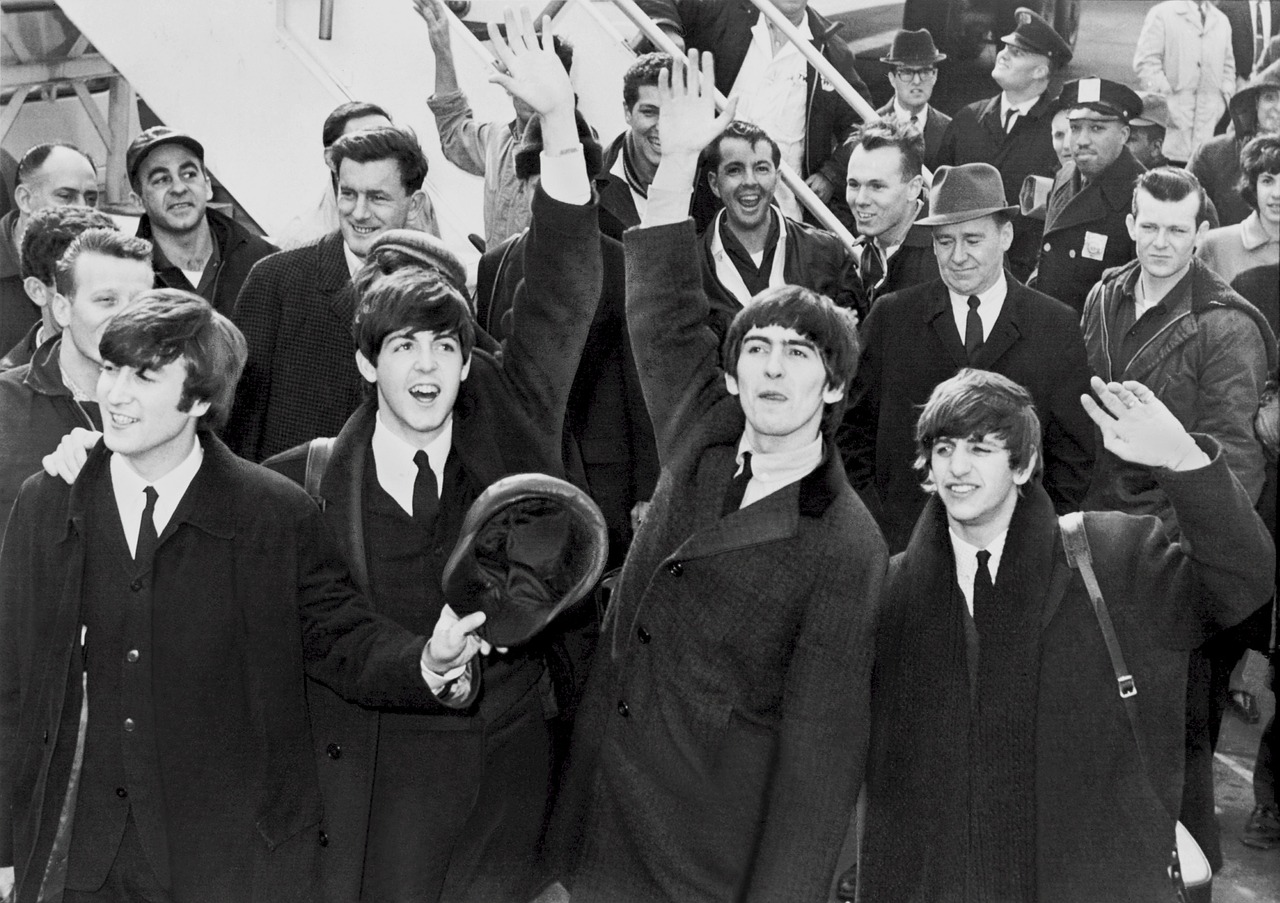
在今天的节目中,我们将谈论音乐,并且我会采访我的妈妈关于披头士乐队的事,因为她在六十年代是披头士的超级粉丝。
In today's show, we're gonna be talking about music, and, I'm gonna talk to my mom about the Beatles because she was a big Beatles fan in the nineteen sixties.
我还将回复几封收到的邮件。
I'm also gonna respond to a couple of emails that I've had.
然后在播客的最后部分——语言环节,我将讨论过去的习惯和惯常行为。
And then in the last part of the podcast, the language part, I'm gonna talk about habits and habitual behavior in the past.
比如像‘used to’和‘would’这样的用法,以及其他一些实用的语言点,敬请期待。
So things like used to and would and some other useful language, so stay tuned for that.
现在我收到了来自意大利的亚历山德罗的邮件,回复我在上一期播客末尾提出的问题。
Now I've had an email from Alessandro in Italy in response to the question that I asked at the end of the last podcast.
那个问题是:目前在你们国家流行什么类型的音乐?
That question was, what kind of music is popular in your country at the moment?
是英语音乐居多,还是有你们国家独有的音乐类型?
Is it kind of English language music, or do you have music that is just exclusive to your country?
来自意大利的亚历山德罗表示,他认为歌剧当然仍是最著名的意大利音乐。
And Alessandro from Italy says that he still thinks that opera is the most famous Italian music, of course.
人人都知道歌剧。
Everyone knows opera.
像卢西亚诺·帕瓦罗蒂、安德烈·波切利这样的艺术家。
People like Luciano Pavarotti, Andrea Bocelli.
没错,那就是最著名的意大利.
Of course, that's the most famous Italian music.
但在意大利,摇滚音乐也非常流行,他们同样拥有所有那些英语乐队,这些乐队在我们这里显然也很受欢迎。
But also in Italy, rock music is really popular, And they have all the English language bands, the ones that we have obviously here as well.
比如U2、红辣椒乐队、酷玩乐队等这些大牌乐队在意大利同样很受欢迎。
Things like the, you know, U2, the Red Hot Chili Peppers, Coldplay, all these really big bands are popular in Italy as well.
但也有很多意大利本土的摇滚乐队在当地非常流行,但在意大利以外并不太为人所知。
But also there are lots of Italian rock bands that are really popular there but aren't very well known outside of Italy.
我认为这种情况在大多数国家可能都是如此。
And I think this is probably true in most countries.
我知道在日本就有这样的情况,一些非常成功的乐队只在本国出名。
I know it's true in Japan that there are big, very successful bands that are just famous in that country.
因为歌词不是英文,所以它们在美国或英国并不出名。
And because the lyrics are not in English, they're not famous in America or in The UK.
所以从某种程度上说,英国人可能有点懒。
So it's probably a bit lazy in terms of sort of British people.
我们很少听非英语的音乐。
We don't listen to very much music that isn't in English.
我们可能错过了很多好音乐。
We're probably missing out on quite a lot of good music.
非常感谢你们的邮件。
So thanks very much for your emails.
对此我非常感激。
Appreciate that very much.
记住,如果你想给我发邮件,随时欢迎。
Remember, if you want to email me, you can.
邮箱是luketeacher@hotmail.com。
It's luketeacher@hotmail.com.
我很乐意收到你们的消息,所以请把邮件、评论等内容发给我,我会通过播客回复你们。
And I love hearing from you, so send me your emails and all your comments and stuff, and I'll I'll get back to you through the podcast.
刚才播放了一点披头士的音乐。
Little bit of Beatles there.
那是《橡胶灵魂》专辑里的《Drive My Car》。
That was drive my car from the Rubber Soul album.
我播放这首歌是因为披头士乐队和他们旗下的苹果核公司,以及EMI音乐终于决定以重制形式重新发行披头士所有的录音室专辑。
And I'm playing that because the Beatles and Applecore, which is their company, and e m EMI Music have finally decided to rerelease all of the Beatles studio albums in remastered form.
所有专辑都将进行数字化重制处理。
So they're all going to be digitally digitally remastered.
这意味着你将能听到比以往任何时候都更出色的音质效果。
And so that means you'll be able to listen to them and hear them sounding better than they've ever ever sounded before.
他们发行的部分专辑,尤其是早期作品,原本是单声道录制的,这些专辑的CD版本也保留了单声道。
Some of the albums that they released, particularly the early ones, were recorded in mono, and there are CD versions of those albums in mono.
但现在经过数字化重制后,音质将变得无比清晰完美,而且全部转为立体声,这显然会极大提升聆听体验。
But now they're going to be digitally remastered, so they'll sound really crystal clear and perfect, and they'll be all in stereo, which obviously makes the listening experience a lot better.
好的。
Now right.
现在和我一起在这里的是我的妈妈。
So with me here now is my mom.
你好,妈妈。
Hello, mom.
你好,卢克。
Hello, Luke.
你怎么样?
How are you?
我很好。
I'm very well.
谢谢。
Thank you.
今天我想和我妈妈聊聊,因为她在六十年代曾是披头士乐队的超级粉丝。
Now I thought that I'd talk to my mum today because she used to be, back in the sixties, a massive Beagles fan.
是这样吗?
Is that right?
没错。
That's right.
是的。
Yes.
好的。
Okay.
没错。
So right.
所以希望你不介意我问你几个问题。
So I hope you don't mind if I ask you some questions.
不介意。
No.
没关系。
That's okay.
那么你最初是怎么听说披头士乐队的呢?当时你在...哦,好吧。
So how did you first hear about the Beatles then when you were in Oh, okay.
哦,这很难记清了,但我确实有一个记忆片段是在校车上
Oh, it's very hard to remember, but I can I have do have one memory of being on the school bus
然后
and
听到另外两个女孩在谈论这个乐队,是吗?
hearing two other girls talking about this group Yeah?
叫做披头士,看着他们的照片问‘你最喜欢谁?’
Called the Beatles and looking at pictures of them and saying, which is your favorite?
嗯。
And Yeah.
我想那可能是我第一次听说他们,但我真的记不清最初的确切时间了。
I think maybe that's the first time I heard of them, but I I really can't remember the first, the actual first time.
是啊。
Yeah.
不。
No.
他们当时真的是超级受欢迎的乐队,对吧?
They they were a really massively popular band, weren't they?
确实是的。
They were.
我是说,大家都为之疯狂
I mean, everyone was crazy about
他们。
them.
所以
So
你显然是从一些朋友那里听说他们,然后开始
you obviously heard about them from some from some friends and then started
然后开始谈论他们,看他们的照片,听他们的音乐。
to And then started to talk about them and look at pictures of them and listen to the music.
而我实际上直到他们第二张LP唱片《With the Beatles》才买了他们的任何唱片,那是我父母给我买的,因为我自己没什么钱
And I didn't actually buy any records and of theirs until the second LP LP, which was called with the Beatles, which my parents bought me because I didn't really have much money of my own
在那个年代。
in those days.
那时候你多大年纪?
How old were you in those days?
大概十二三岁吧,
Would have been about 12 or 13,
我想。
I suppose.
所以你正是他们的目标受众。
So you were the the target audience.
对吧?
Right?
我想是的。
I suppose so.
是的。
Yes.
那你为什么喜欢他们呢?
So why did you like them?
他们那么受欢迎,但为什么呢?
They were so popular, but why?
你为什么喜欢他们?
Why did you like them?
哦,这很难解释为什么。
Oh, it's very hard to explain why.
他们就是非常与众不同,非常特别。
They were they were just so unusual, so different.
在那之前我们听的所有流行音乐似乎主要都来自美国。
All the pop music we'd had up till then seemed to be mainly from America.
虽然也有一两个英国艺人,比如克里夫·理查德和亚当·费斯。
Although there were one or two English people like Cliff Richard and Adam Faith.
是啊。
Yeah.
但他们就是如此与众不同。
But they were just so different.
我是说,那是我第一次见到一个乐队,你知道的,有三把吉他和鼓的组合。
I mean, the first time I ever saw a group, you know, with three guitars and drums.
是啊。
Yeah.
以前,只有歌手一个人。
Before, it was just a singer.
他们身上还有些别的特质,对吧?
They had something else about them, didn't they?
他们哦,有一种
They Oh, had a kind
个性。
of personality.
对。
Yeah.
他们很有幽默感。
They had a good sense of humor.
他们有种独特的魅力。
They were sort of charismatic.
他们来自利物浦,所以带着那种美妙的利物浦口音,当然,那时候我对此并不太了解。
They were from Liverpool, which and so they had these wonderful Liverpool accents, which, of course, I didn't really know about in those days.
我想我从未听说过其他利物浦人。
I've never heard of another Liverpudlian, I don't think.
是啊。
Yeah.
他们非常机智、风趣,反应敏捷,真的很棒。
And they were very witty and very funny and very quick and just wonderful, really.
太棒了。
Great.
那你实际上见过他们吗?
So did you actually ever see them then?
见过。
I did.
我见过他们两次。
I saw them twice.
我记得第一次见到他们是在1963年,我想是在沃特汉普顿。
I think the first time I saw them was 1963, I think, in Waterhampton.
是的。
Yep.
然后第二年我又在伯明翰见到了他们。
And then I saw them again in Birmingham the following year.
所以他们可能是在剧院之类的地方演出吧。
So they were probably playing in a in a theater or something like that.
对吧?
Right?
我不记得他们在威尔伯汉普顿的具体地点了。
I can't remember where they were in Wilburhampton.
可能是电影院或剧院之类的场所。
It was probably a cinema or a theater or somewhere like that.
而在伯明翰,他们是在新街的奥迪安剧院演出,那里也是电影院,但有个舞台,所以也能举办音乐会。
And in Birmingham, they were at the Odeon in New Street, which again was a cinema, but it had a stage, and so it could be used for concerts as well.
那么,当时的体验是怎样的呢?
And so what what was the experience like?
我是说,实际看到他们是什么感觉?
I mean, yeah, what was it like actually seeing them?
首先,观众的反应如何?
What was the what was the audience like first?
观众们完全陷入了狂热状态。
The audience was completely hysterical.
对。
Right.
他们
They
都在尖叫和喊叫。
were all screaming and shouting.
是的。
Yeah.
我记得当时节目的主持人,就是那个负责介绍表演的人。
And it was I remember the compare of the show sort of that's the man who did who introduced the acts.
是的。
Yeah.
当然,轮到披头士时,他们是压轴出场。
When it got to the Beatles, of course, they were the last on the bill.
他通过问'你们想见他们吗?'这样的话,把观众情绪煽动得更加高涨。
And he sort of stirred the audience up even more by saying, do you want to see them?
想见他们吗?
Do want to see them?
所有人都喊着'想!'
Everyone's like, yeah.
没错。
Yeah.
我们都想!所有人都在尖叫呐喊,幕布升起时我们先看到他们的脚,然后是腿,最后整个人,音乐响起时整个场面激动人心。
We want Everybody was shouting and screaming and the curtain came up and we could see their feet and then we could see their legs and then we could see them and then the music started and it was all extremely exciting.
有很多披头士乐队演唱会的视频片段,他们在演奏,但你几乎听不到乐队的声音。
There's there's lots of video footage of the Beatles concerts where they're playing, and you can't really hear the band.
你只能听到所有这些疯狂的尖叫声。
You can just hear all this ridiculous screaming.
是的。
Yes.
当时就是那样的。
That's what it was like.
我...我真的不认为我们能听清楚他们的演奏。
I I I don't really think we could hear them properly at all.
是啊。
Yeah.
所以那完全就是 彻头彻尾的疯狂。
So it's just just total madness, Absolutely.
没错。
Yeah.
是啊。
Yeah.
我想大概是因为那是在六十年代初期,嗯。
I expect probably at the time because it was the early nineteen sixties Mhmm.
年轻人那时真的没有什么像披头士那样有趣的东西。
Young people didn't really have anything, you know, interesting like the Beatles.
我只是...我的意思是,可能我错了,但我认为那时候的生活有点无聊。
They just I I mean, I think I might be wrong, but I think that life was kind of boring.
对吧?
Right?
嗯,我从不觉得无聊。
Well, I never thought it was boring.
那就是那个时代的样子
It was just the way it was in those
的日子,不过
days, but
那时的生活与现在截然不同。
it was very different from the way it is today.
那时候没有
There wasn't
现在的青少年拥有太多资源了,那么多音乐、电影,还有各种各样的娱乐方式。
Now now teenagers have just got so much, so many, you know, so much music, so many movies, and all kinds of things there to entertain.
而且获取这些比我们那个年代容易多了。
And it's so much more accessible than it was in my day.
我们那时候还得专门去电影院或者买唱片。
You had to actually go to the cinema or buy a record.
是啊。
Yeah.
没错。
Yeah.
那时候可没法从网上下载东西,也没有DVD之类的可以看。
There was no downloading stuff from the Internet or watching DVDs or anything like that.
对。
Right.
那你最喜欢披头士里的谁?
So which Beatles was your favorite?
因为大家都有自己最喜欢的成员,对吧?
Because everyone had a favorite Beatle, didn't they?
我最喜欢的成员是在约翰和灵高之间难以抉择。
My favorite Beatle was it was a toss-up between John and Ringo.
好的。
Okay.
我想我最喜欢的主要是约翰,因为他实在太特立独行了。
I think mainly my favorite was John because he was so outrageous.
没错。
Right.
他确实是个争议人物,不是吗?
He was controversial, wasn't he?
他是这样的。
He was.
是啊。
Yeah.
好吧。
Okay.
所以仅仅因为他充满争议又特立独行,就...
So just the fact that he was controversial and outrageous, that that
主要就是这个原因。
That was mainly it.
没错。
Yes.
好的。
Okay.
而且他非常机智幽默。
And he was very witty and very funny.
是啊。
Yeah.
没错。
Yeah.
他确实是这样,不是吗?
He was, wasn't he?
那现在呢?
And what about now?
约翰现在还是你最喜欢的人吗?
Is John Still your favorite one now?
哦,我现在真的没法再用那种方式去想了,真的。
Oh, it's I can't really think of it in those terms anymore, really.
因为我现在非常喜欢乔治。
Because I I just I'm very fond of George now.
是啊。
Yeah.
我觉得我现在比那时更欣赏他了。
I appreciate him more now than I did then, I think.
是啊。
Yeah.
好的。
Okay.
那你现在还会听披头士的歌吗?
So do you still listen to the Beatles these days?
不怎么听了。
Not very much.
不听了。
No.
为什么呢?
Why not?
我现在听他们的歌感觉很奇怪。
I find it quite strange listening to them now.
就是...我不知道。
It just it's I don't know.
这很难解释。
It's very hard to explain.
它只是让我想起那些日子,而我并不想再回去回忆那些时光。
It just reminds me of those days, and I don't really want to go back and think about those days anymore.
我宁愿活在当下。
I'd rather live in the here and now.
对。
Right.
好的。
Okay.
非常感谢你和我聊天。
Well, thanks very much for talking to me.
这是我的荣幸。
It's a pleasure.
是啊。
Yeah.
好吧。
Alright.
嗯,那就这样吧。
Well, that's that's it then.
我想我可能会买几张这些新出的CD
Well, I think I might buy a couple of these new CDs
等它们上市的时候。
when they come out.
对。
Right.
因为,你知道,我是铁杆粉丝。
Because, you know, I'm a big fan.
是的。
Yes.
那么,嗯,如果你买了的话,我可能会听一两张。
So Well, well, I I might listen to one or two of them if you buy them.
是啊。
Yeah.
你可能会喜欢的。
You'll probably enjoy them.
嗯。
Mhmm.
好的。
Okay.
那好吧。
Well Okay.
非常感谢。
Thanks very much.
好的。
Okay.
好的。
Okay.
那么现在是时候进入播客的语言教学部分了。
So now it's time to do the language part of the podcast.
这里我会教你一些东西。
This is where I teach you something.
在上期节目中,你听到了我父亲讲述他童年时的复活节经历。
And in the last episode, you heard my dad talking about his Easter experiences when he was a child.
他讲的是他小时候经常做、每年都会做的事情。
And so he was talking about things that he usually did, things that he did regularly or every year when he was a kid.
所以我们要来看看他用到的、你也可以用来谈论过去习惯的一些表达方式。
So we're gonna look at some language that he used and that you can use to talk about regular habits in the past.
有几种非常常见的表达方式。
Now there are some really common ways of doing this.
最常用的方式是使用'used to'(过去常常)。
The the the most common way is to use used to.
你们可能学过这个。
You've probably studied that.
你你你大概知道'used to'的用法。
You you you probably know about used to.
就是u s e d t o,过去常常。
So that's u s e d t o, used to.
比如我爸爸说过'我们过去常常把复活节彩蛋染成不同颜色'。
So for example, something my dad said was we used to paint our Easter eggs different colors.
明白吗?
Okay?
再举个例子,我过去住在日本。
Another example for me would be I used to live in Japan.
对吧?
Right?
或者我过去抽烟。
Or I used to smoke.
我现在不抽烟了,因为对健康非常有害。
I don't smoke anymore because it's very bad for your health.
对吧?
Right?
我以前抽烟,但后来戒掉了。
I used to smoke, but then I gave up.
所以这是非常实用的表达。
So this is something really useful.
现在,你可能知道'used to'的用法,也可能学过,但你真的会使用吗?
Now, you know, you may know about used to, and you may have studied it, but do you actually use it?
现在最重要的是这一点非常关键。
Now the most this is very important.
你可能了解各种语法知识。
You might know about different kinds of grammar.
你可能学过不同的词汇片段。
You might have studied different bits of vocabulary.
但英语学习者和母语者之间的区别在于,母语者会实际运用所有这些语言要素。
But the difference between a learner of English and a native speaker is that a native speaker uses all of this stuff.
他们在日常交流中确实会经常使用这些表达。
They actually use it regularly when they speak.
他们会运用多种不同的语法结构和丰富的词汇。
They use a variety of different grammar and a variety of vocabulary.
明白吗?
Okay?
而'used to'是人们在谈论过去、描述过去经常做的事情时随时都会用到的表达。
And used to is something that people use all the time when they're talking about the past, when they're talking about things that they did regularly in the past.
清楚了吗?
Okay?
所以你们应该多使用'used to'。
So you should use used to a lot.
你可能觉得这对你来说不是新知识,但最重要的是你要真正去使用它。
You might think that this isn't new language for you, but the most important thing is that you're actually using it.
明白了吗?
Okay?
我经常告诉人们,重要的不是你懂什么,而是你在英语中实际运用了什么。
Something I always tell people is it's not it's not important what you know, it's important what you do in English.
所以这里的关键在于你要真正使用像'used to'这样的表达。
So the important thing here is that you actually use something like 'used to'.
明白了吗?
Okay?
关于'used to'还有一些其他要点。
So just some other important points about 'used to'.
发音。
Pronunciation.
显然,应该说I used to。
So, obviously, it should be I used to.
这就是used to的用法。
So that's used to.
不是used to,也不是used to或used to。
Not used to and not used to or used to.
我有时听到人们说used to或used to,但并不是那样。
I sometimes hear people saying used to or used to, but it's not that.
应该是used to。
It's used to.
Used to。
Used to.
在否定或疑问形式中,它没有d。
Also in negative or in question forms, it doesn't have a d.
所以当你用否定形式写used to时,它没有d。
So that's when you write used to in a negative, it doesn't have a d.
比如I didn't used to smoke(我过去不抽烟)。
So I didn't used to smoke.
对吧?
Right?
所以是没有d的。
So it's without a d.
所以是didn't u s e t o。
So it's didn't u s e t o.
对吧?
Right?
在疑问句中也是一样的。
And it's the same in questions.
Did you used to?
Did you used to?
例如。
For example.
现在used to经常与另一个非常相似的结构混淆,那就是to be used to doing something。
Now used to is is commonly confused with another very similar structure, and that is to be used to doing something.
例如,I am used to living in London。
For example, I am used to living in London.
明白了吗?
Okay?
所以你有两种用法:一种是'I used to live in London'(我过去住在伦敦),另一种是'be used to doing something'(习惯于做某事)。
So you've got used to, which is I used to live in London, and be used to doing something.
我习惯于做某事。
I am used to doing something.
我习惯了住在伦敦。
I am used to living in London.
所以这两种形式完全不同。
So those forms are completely different.
对吧?
Right?
我已经讲了用'used to'来谈论过去的习惯。
So I've told you about used to to talk about past habits.
现在让我讲讲'to be used to doing something'或'I am used to doing something'的用法,这与单纯的'used to'完全不同。
Now let me tell you about to be used to doing something or I am used to doing something, right, Which is totally different from just used to.
明白吗?
Okay?
好的。
So okay.
我们来看看。
Let's see.
所以如果你说,我习惯了做某事或我已适应做某事,意思是之前这件事对你来说很难或很陌生,但现在没问题了。
So if you say, I am used to doing something or I got used to doing something, it means that before, something was difficult or strange for you, but now it's okay.
现在你已经适应了。
Now you're you're okay with it.
你已经习惯了。
You've got accustomed to it.
明白吗?
Okay?
那么,举个例子,你可能会说。
So, for example, something that you might say.
你可能会说,当我刚搬到伦敦时,我觉得在这里生活非常困难,但现在我已经习惯了在这里生活。
You might say, when I first moved to London, I thought it was very difficult to live here, but now I'm used to living here.
明白吗?
Okay?
现在我已经习惯了在这里生活。
Now I'm used to living here.
也就是说,我现在对这里的文化有了更多了解。
So it could be, now I understand the culture a bit more.
我的英语说得更好了。
I can speak better English.
我记得这里的人们是靠左行驶的。
I remember that people drive on the left.
所以现在我已经习惯了在这里生活。
So I'm used to living here now.
这与'我曾经住在伦敦'完全不同,后者意味着我过去住在伦敦,但现在不住在那里了。
So that is totally different from, I used to live in London, which means that I lived in London in the past, but I don't live in London now.
明白了吗?
Okay?
对。
Right.
所以另一种表达过去习惯的方式与'used to'类似,就是情态动词'would'。
So another way of talking about a past habit which is similar to used to is the modal verb 'would'.
当'would'用于谈论过去习惯时,我们通常使用其缩写形式。
Now 'would' is usually when it's used to talk about a past habit, we use 'would' but in the contracted form.
明白了吗?
For okay?
举个例子,你可能在上期节目中听我父亲说过类似这样的话。
So for example, you you may have heard my dad in the last episode say something like this.
我们会把复活节彩蛋滚下山坡,然后在山脚下吃掉它们。
We'd roll our Easter eggs down a hill, and then we'd eat them at the bottom.
明白了吗?
Okay?
所以这种使用缩略形式的would,例如:'我们会在山脚下吃掉它们'或者'我们每年复活节都会互赠巧克力彩蛋'
So this use of would in the contracted form, for example, we'd eat them at the bottom or we'd buy each other chocolate eggs every Christmas.
不是圣诞节
Not Christmas.
我在说什么呢?
What am I talking about?
不是圣诞节
Not Christmas.
抱歉。
Sorry.
每年复活节我们都会互相赠送巧克力彩蛋。
We'd buy each other chocolate eggs every Easter.
对吧?
Right?
这里的would用法与used to非常相似。
This use of would is is very similar to used to.
我们用这个结构来谈论过去经常做的事情。
We use it to talk about things we did regularly in the past.
明白吗?
Okay?
比如对我来说,当我住在日本时,我每天都会看到地铁上有商务人士在睡觉。
For example, for me, when I lived in Japan, I'd see businessmen asleep on the underground every day.
对吧?
Okay?
我每天都会看到地铁上有商务人士在睡觉。
I'd see businessmen asleep on the underground every day.
或者有时半夜会被吵闹的摩托车党吵醒。
Or I'd sometimes get woken up by noisy motorbike gangs in the middle of the night.
是吧?
Right?
有时半夜会被吵闹的摩托车党吵醒。
I'd sometimes get woken up by noisy motorbike gangs in the middle of the night.
确实如此,真的。
That's true, actually.
我以前经常被摩托车帮派吵醒,因为我住在横滨附近。
I used to get woken up all the time by motorbike gangs because I lived in I lived near Yokohama.
有时候夏天,会有大型摩托车队在深夜绕着城市骑行,声音特别大。
And sometimes in the summer, there were these big motorcycle gangs that would ride around the city in the middle of the night, and they were so loud.
比如说,你知道的,我过去常常被这些摩托车的噪音吵醒,然后我会起床,走到阳台上,俯视街道,看着这些摩托车呼啸而过。
So for example, you know, I used to wake up to the noise of these motorbikes, and I'd get up and I'd go out to I'd go out onto my balcony, and I'd look down on the street, and I'd see all these motorbikes riding past.
那挺吓人的,因为他们看起来很可怕。
It was quite frightening cause they were quite scary.
他们有些人背上还背着武士刀,相当恐怖。
Some of them had samurai swords on their backs, which was quite scary.
总之,我刚才是在说木材的事。
Anyway, anyway, I was talking about wood.
所以,举个例子,我有时会被吵闹的摩托车帮派吵醒。
So, for example, I'd sometimes get woken up by noisy motorbike gangs'.
展开剩余字幕(还有 85 条)
所以试着用'would'的缩写形式来谈论过去经常发生的事情。
So try to use 'would' like that in the contracted form to talk about regular things that happened in the past.
这与'used to'非常相似,但有所不同。
Now, it's very similar to used to, but it is different.
与'used to'的唯一区别在于,我们不这样用'would'来描述状态动词。
The only difference with used to is that we don't use we don't use would like this with state verbs.
明白了吗?
Okay?
现在你们有状态动词和动作动词。
Now you've got state verbs and you've got action verbs.
动作动词是最常见的。
Action verbs are the most common ones.
动作动词都描述一个动作。
Action verbs all describe an action.
对吧?
Right?
例如,是指你所做的事情,而不是你所处的状态或条件。
For example, something that you do rather than a kind of state or condition that you're in.
所以动作动词可能是去、玩、吃之类的行为。
So an action verb might be to go, to play, to eat, something like that.
明白吗?
Okay?
对。
Right.
所以我们不用动作动词。
So we don't use okay.
那些就是动作动词。
That that that's action verbs.
玩、去、吃等等。
Play, go, eat, and so on.
状态动词不是用来描述动作的,而是描述一种情形、状态或条件。
Now state verbs are not used to describe an action, but they describe a situation or a state or a condition.
对吗?
Right?
这些包括像居住、知道、喜欢、理解、憎恨这样的动词。
These include verbs like live, know, like, understand, hate.
明白吗?
Okay?
我们不能用would的缩写形式来讨论状态动词的过去习惯。
Now we can't we don't use would in the contracted form to talk about past habits with state verbs.
懂了吗?
Okay?
举个例子,你可以说'我曾经住在伦敦'。
So, for example, you can say, I used to live in London.
对吧?
Right?
居住是一个状态动词。
Live is a state verb.
你可以说,我曾经住在伦敦。
You can say, I used to live in London.
但你不能说,我过去住在伦敦,如果你是在谈论过去。
But you can't say, I'd live in London, if you're talking about the past.
明白了吗?
Okay?
那是因为live是一个状态动词。
That's because live is a state verb.
所以你可以说,当我住在伦敦时,我每天都会乘地铁去上学,而且周五放学后我经常去酒吧。
So you can say, when I lived in London, I'd take the underground to school every day, and I'd often go to the pub after school on a Friday.
所以你可以这样说,因为'take'是动作动词,'go'也是动作动词。
So you can say that because take is an action verb and go is an action verb.
明白了吗?
Alright?
所以请记住,你只能在描述过去习惯时对动作动词使用'would'的缩略形式,而不能用于状态动词。
So remember that you can only use would contracted for past habits with action verbs and not state verbs.
如果你对动作动词和状态动词以及它们的区别感兴趣,其实很简单。
If you're interested in action verbs and state verbs and what the difference is, it's really simple.
直接去谷歌搜索。
Just go to Google.
明白吗?
Right?
打开谷歌搜索引擎,输入'状态动词'。
Go to the Google search engine and type state verbs.
看看搜索结果,你会看到很多语法页面,比如牛津大学之类的。
Have a look at the results, and you'll see lots of grammar pages from, you know, Oxford University or something like that.
它们会列出状态动词和动作动词以及两者之间的区别。
And they'll show you lists of state verbs and action verbs and the differences between the two.
懂了吗?
Okay?
就这样。
That's it.
这就是语言部分的结尾了。
That's that's the end of the language section.
所以,希望你觉得这些内容有用。
So, yeah, I hope you found that useful.
别忘了,你可以通过邮件向我提问。
Don't forget, you can email me questions.
如果有任何不理解的地方,或者关于语言的其他问题,都可以发邮件给我。
If there's something you don't understand or if there's another question you have about language, email me.
邮箱地址是luketeacher@hotmail.com,我会在播客中回答你们发送的问题。
The email address is luketeacher@hotmail.com, and I will answer questions that you that you send me in the podcast.
可能我无法回答所有发来的问题。
Now I might not be able to answer every question that is sent to me because I I get quite a few questions.
如果我没有回答你的问题,我很抱歉。
So if if I don't answer the question that you've sent me, I'm sorry.
我会尽量回答所有问题,但有时无法全部回复。
I'll try to answer all the questions that I get sent, but sometimes I can't answer them all.
好的。
Okay.
那么,这期播客就到这里结束了。
So that's that's the end of the podcast.
现在我要以一个最终问题来收尾。
Now I'm gonna end with a final question.
这次的问题是关于滑板运动的。
And the question this time is about skateboarding.
之所以问这个,是因为我最近和我弟弟聊天,他非常喜欢滑板。
Now it's about skateboarding because I was talking to my brother recently, and he loves skateboarding.
对吧?
Right?
他是个滑板爱好者。
He's he's a he's a skater.
他经常玩滑板。
He skates a lot.
我最近和他聊过这个话题,我在考虑将来可能会邀请他上播客接受采访。
And I was talking to him about it recently, and I was thinking that I might interview him for the podcast in the future.
所以我可能会和我的兄弟詹姆斯进行一次关于滑板的访谈。
So I might have an interview with with my brother James about skateboarding.
但我想问你一个关于滑板的问题。
But I'd like to ask you a question about skateboarding.
你觉得呢?
Do you think?
滑板运动在你们国家流行吗?
Is skateboarding popular in your country?
对吧?
Right?
你认为滑板是一种破坏公物的行为,还是可以接受的?
And do you think skateboarding is vandalism, or is it okay?
那么,破坏公物是什么意思呢?
Now what does vandalism mean?
破坏公物是指人们损坏公共财产的行为。
Vandalism is when people damage public property.
明白吗?
Okay?
滑板玩家会利用公共设施进行滑板运动。
So what skateboarders do is they they use public property for their skateboarding.
比如他们会踩着滑板在长凳上滑行,或是在扶手栏杆上滑行。
So they do things like they will ride on on, like, a bench or they will ride on a handrail for their skating.
这会损坏长凳和扶手栏杆。
And it damages the bench and it damages the handrail.
这个国家很多人认为滑板运动是破坏公物,会损坏公共财产。
And a lot of people in this country think that skateboarding is vandalism, that it damages public property.
但也有很多人认为它更像是一种艺术形式或体育运动。
But a lot of people think it's kind of like an art form or a sport or something.
你怎么看?
So what do you think?
你认为滑板是破坏公物行为,还是觉得它没问题?
Do you think skateboarding is vandalism, or do you think it's okay?
这就是问题所在。
So that's the question.
本期播客到此结束。
That's the end of the podcast.
希望你喜欢,别忘了给我发邮件,邮箱是luketeacher@hotmail.com,期待收到你的来信。
I hope you enjoyed it, and don't forget to email me, luke teacher at hotmail dot com, and I'm looking forward to hearing from you.
就这样啦。
So that's it.
再见。
Cheers.
拜拜拜拜拜。
Bye bye bye bye bye.
感谢下载Luke的英语播客。
Thanks for downloading Luke's English podcast.
别忘了给我发邮件,地址是luketeacher@hotmail.com。
Don't forget to email me at luketeacher@hotmail.com.
如果你喜欢本期卢克英语播客,可以考虑订阅卢克英语播客高级版。
If you enjoyed this episode of Luke's English podcast, consider signing up for Luke's English podcast premium.
你将定期收到包含故事、词汇、语法和发音教学的高级节目,还有我一贯的幽默风趣时刻。
You'll get regular premium episodes with stories, vocabulary, grammar, and pronunciation teaching from me, and the usual moments of humor and fun.
此外,你的订阅将直接支持我的工作,让整个播客项目得以持续。
Plus, with your subscription, you will be directly supporting my work and making this whole podcast project possible.
欲了解更多关于卢克英语播客高级版的信息,请访问teacherluke.co.uk/premiuminfo。
For more information about Luke's English Podcast Premium, go to teacherluke.co.uk/premiuminfo.
关于 Bayt 播客
Bayt 提供中文+原文双语音频和字幕,帮助你打破语言障碍,轻松听懂全球优质播客。