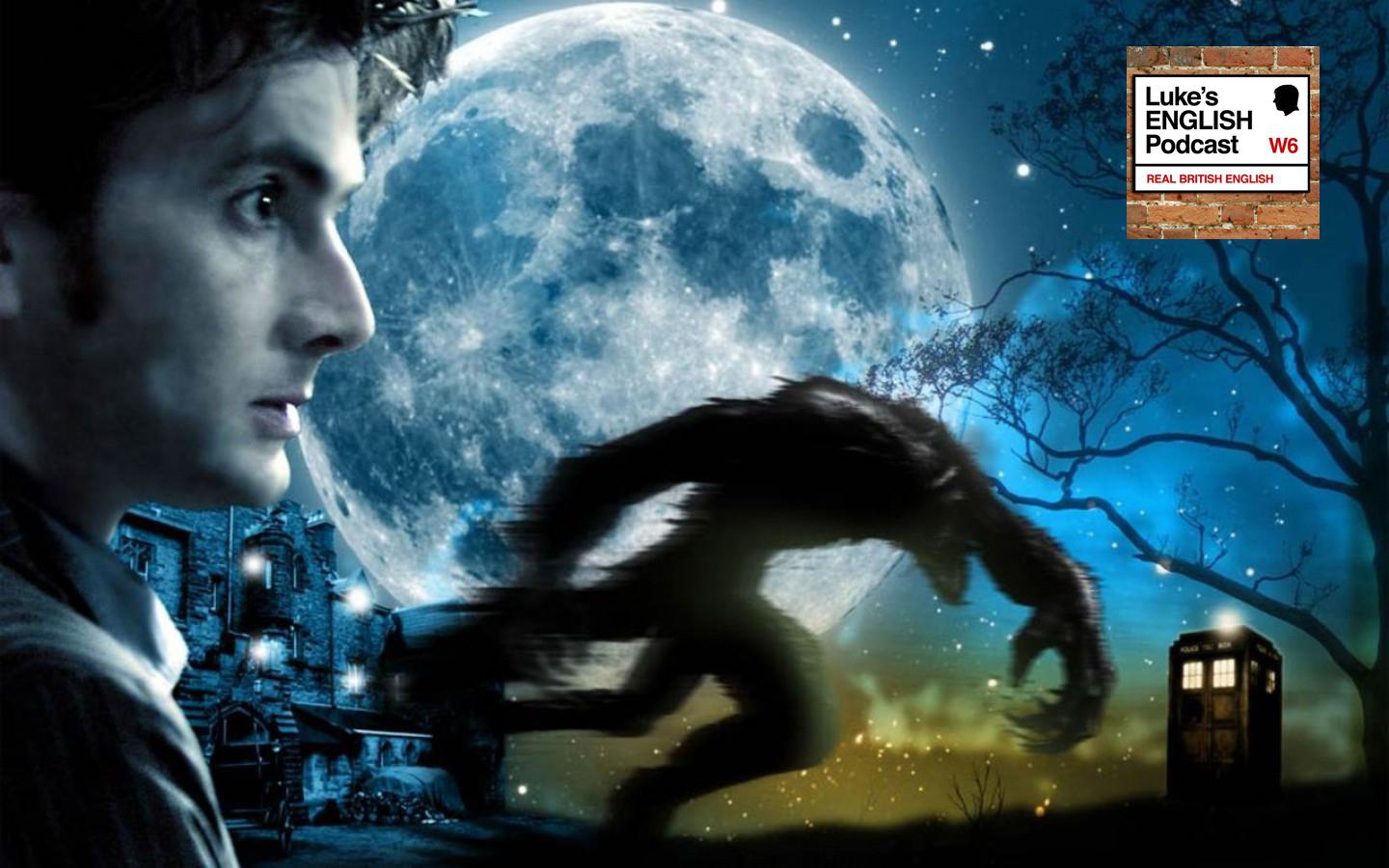
本集简介
双语字幕
仅展示文本字幕,不包含中文音频;想边听边看,请使用 Bayt 播客 App。
你正在收听卢克的英语播客。
You're listening to Luke's English podcast.
如需更多信息,请访问 teacherluke.podomatic.com。
For more information, visit teacherluke.podomatic.com.
大家好。
Hello, everyone.
欢迎收听本播客。
Welcome to the podcast.
我是卢克。
This is Luke.
你好。
Hello.
本期节目讲述的是叙事时态。
And, this episode is about narrative tenses.
所以,我将为你朗读一篇我写的短篇悬疑故事,然后我会简单谈谈我们在讲述故事或描述情节时所使用的动词时态。
So I'm going to read you a short mystery story, which I've written, and then I'm going to talk a bit about the verb tenses we use to tell a story or to describe a narrative.
所以我会给你们一些这些时态的例子和解释。
So I'll give you some examples and explanations of those tenses.
我们会看看如何用不同的时态来描述过去的事件。
We'll look at how you can use different tenses to describe events in the past.
我还会在最后给你们一些发音练习。
I'll also give you some pronunciation practice at the end.
好吗?
Okay?
首先,我想向几个人打个招呼。
First of all, I'd just like to say hello to a couple of people.
瓦莱里奥,你好。
Valerio, hello.
非常感谢你发来的邮件和积极的评论。
Thanks a lot for the emails and the very positive comments that you made.
向俄罗斯的尼基塔或尼克问好。
Hello to Nikita or Nick in Russia.
也感谢你的消息。
Thanks also for your message.
听到你的声音真好。
Very nice to hear from you.
嗨,保拉,如果你在听的话。
Hi to Paula, if you're out there.
我希望你还在听,你知道的,还在用CD,因为你用的是老办法。
I hope you're still listening, you know, and on CD, cause you're doing it old school with the CDs.
所以希望这种方式对你来说仍然有效。
So I hope that's still working out for you.
另外,向印度阿萨姆大学的阿南迪亚问好。
Also, hello to Anindia, who's at Assam University in India.
我期待着你十月来这里时与你见面,我也非常希望有一天能去阿萨姆大学访问。
I'm I'm looking forward to meeting you when you're here in October, and I'd very much like to visit Assam University at some point.
所以当你来这里时,和你交谈一定会非常有趣。
So it's gonna be very interesting to talk to you when when you're here.
对。
Right.
那么我们继续聊这个播客吧。
So let's move on with the podcast.
好的。
Okay.
所以是叙述时态。
So narrative tenses.
我们经常谈论过去发生的事情,对吧?
Now we often talk about things that happened in the past, don't we?
比如,在对话中描述我们周末做了什么,或者谈论一次度假经历。
You know, it could be, for example, if we describe what we did at the weekend in a conversation, or maybe if you're talking about a holiday that you had.
也可能是讲一个趣事,描述发生在你身上的有趣故事,或者分享一段回忆。
It could be if you're just telling an anecdote, you know, describing a funny story that happened to you or something like that, or even just sharing a memory of something.
我们一直在谈论过去。
We talk about the past all the time.
当我们谈论过去发生的事情时,显然会使用不同的时态来说明事件的先后顺序。
When we talk about things that happened in the past, we obviously use different tenses in order to explain the sequence of events.
我们使用三种主要时态来描述过去事件的顺序,分别是过去简单时、过去进行时和过去完成时。
We use three main tenses to talk about the sequence of past events, and those are past simple, past continuous, and past perfect.
所以过去简单时,显然就是动词的简单过去形式。
So past simple, obviously, it's just the the simple past form of the verb.
例如,我们在度假时相遇了。
For example, we met on holiday.
我们谈论了艺术和音乐。
We talked about art and music.
我们坠入了爱河。
We fell in love.
我向她求婚了。
I asked her to marry me.
当她答应时,我深情地吻了她的嘴唇。
And when she said yes, I kissed her passionately on the lips.
对吧?
Right?
所以这些只是过去简单时态的例子。
So those are just examples of past simple tense.
然后是过去进行时,由 was 或 were 加动词的 -ing 形式构成。
Then past continuous tense, which is formed with was or were plus an I n g verb.
我们经常在一句话中将过去进行时与过去简单时结合使用。
Often, we use that in combination with past simple in a sentence.
例如,当我们正在谈论我的新瑞士银行账户时,她突然把我拉近,又吻了我一次。
For example, we were talking about my new Swiss bank account when she suddenly pulled me close and kissed me again.
所以很明显,这里的过去进行时句子是:我们正在谈论我的新瑞士银行账户。
So obviously, there the past continuous sentence was, we were talking about my new Swiss bank account.
对吧?
Right?
这就是过去进行时。
So that's past continuous.
第三个是过去完成时,由had加过去分词构成。
Then the third one was past perfect, and that is had plus a past participle.
对吧?
Right?
例如,当我到达机场时,我意识到她已经偷走了我的钱包和护照。
For example, when I arrived at the airport, I realized that she had stolen my wallet and passport.
对吧?
Right?
所以她已经偷走了我的钱包和护照。
So she had stolen my wallet and passport.
那是过去时。
That's past.
完成时。
Perfect.
所以是had加过去分词。
So had plus a past participle.
过去分词就是动词的第三种形式,显而易见。
Past participle is just the third form of the verb, obviously.
所以在这个例子中,是她偷了。
So in this case, it's she had stolen.
Stolen 是动词 steal 的过去分词。
Stolen is the past participle of the verb steal.
Steal、stole、stolen。
Steal stole stolen.
对吧?
Right?
好的。
Okay.
现在我会稍后更详细地解释这些时态,以及它们的用法和发音。
Now I'll explain these tenses in more detail later, and I'll talk about how we use them and the pronunciation of those tenses.
但现在,先听一下我写的一个小故事。
But now, just listen to a short story which I've written.
它包含了我刚刚描述的三种叙述时态。
It contains the three narrative tenses I've just described.
在听故事时,试着注意我使用了哪些时态以及何时使用它们。
As you listen to the story, try to notice which tenses I use and when I use them.
现在有一份故事的文本脚本,以及一些你可能不认识的单词和表达的定义。
Now there is a tape script of the story and definitions of some of the words and expressions that you might not know.
网站上还有一个练习,你可以用它来测试自己对这些不同时态的掌握。
There's also an exercise on the website, which you can use to test yourself on these different tenses.
明白了吗?
Okay?
所以,这是故事。
So here's the story.
现在,在我为你朗读故事之前,我想解释一下故事中一些你可能不认识的单词或表达。
Now, just before I read the story to you, I would like to explain a couple of words or expressions which are in the story that you might not know.
第一个是泰晤士河。
The first one is the River Thames.
泰晤士河。
The River Thames.
这只是流经伦敦的那条河的名字。
That's just the name of the river that runs through London.
它被称为泰晤士河。
It's called the River Thames.
下一个词是满月。
The next one is a full moon.
满月。
A full moon.
很明显,月亮不是一颗行星,但有点像一颗围绕地球运行的小行星。
Obviously, the moon is the it's kind of it's not a planet, but it's like a it's like a small planet which orbits the earth.
对吧?
Right?
它每天晚上都会出现。
And it comes up every night.
太阳在白天升起,月亮在夜晚升起。
The sun comes up during the day and the moon comes up at night.
满月就是你能看到整个月亮的时候。
A full moon is when the you can see the whole moon.
所以它就像一个大大的白色圆圈。
So it's like a big white circle.
那就是满月。
That's a full moon.
明白了吗?
Okay?
下一个是一些啤酒。
Next one is a few pints of beer.
一杯啤酒。
A pint of beer.
一杯啤酒就是在这里英国的酒吧里通常提供的啤酒量。
Well, a pint is the size of of beer that you get in a pub here in in The UK.
我们以品脱为单位供应啤酒。
We serve beer in pints.
一品脱大约是半升。
A pint is is basically about half a liter.
明白吗?
Okay?
下一个词是台阶或楼梯。
The next one is steps or stairs.
显然,我们上下楼时会用到台阶或楼梯。
Obviously, we use steps or stairs when we go up and down.
我们用它们从一楼到二楼。
We use them to go from the 1st Floor to the 2nd Floor.
你可以走上台阶或楼梯,但台阶或楼梯也出现在其他地方。
You walk up the steps or walk up the stairs, but we also get stairs or steps in other places.
在我的故事里,泰晤士河岸的水边有一些台阶。
In my story, there are some steps next to the water, next to the water's edge, right, on the riverbank of the Thames.
下一个表达是水边。
And that's the next expression, the water's edge.
这只是说水的边缘的另一种方式。
It's just another way of saying the edge of the water.
水边。
The water's edge.
下一个是一声猫头鹰叫。
The next one is an owl hooted.
一只猫头鹰叫了。
An owl hooted.
猫头鹰是一种夜间出没的鸟,它有大大的眼睛。
Now an owl is a bird which comes out at night and it's got big eyes.
对吧?
Right?
那就是一只猫头鹰。
That's an owl.
它们发出的声音是‘呼啸’。
And the noise they make is is to hoot.
对吧?
Right?
所以‘猫头鹰呼啸’意思是猫头鹰发出了声音,有点像这样。
So an owl hooted means an owl made a noise, a bit like this.
好的。
Okay.
所以这就是‘猫头鹰呼啸’。
So that's an owl hooted.
下一个是我揉了揉眼睛。
The next one is I rubbed my eyes.
这指的是,比如早上醒来时,眼睛发痒,你就用手揉眼睛。
Now that's just when, for example, when you wake up in the morning and your eyes feel itchy and you just rub your eyes with your hands.
而且,如果你看到令人惊叹的东西,你可能会揉眼睛,因为不敢相信自己的眼睛。
And often if you if you see something amazing, you you might rub your eyes because you can't believe it.
对吧?
Right?
下一个词是溅水声。
The next one is a splash.
溅水声。
A splash.
当有东西掉进水里时就会发出这种声音,听起来像这样。
And that's the noise of when something drops into the water, and it sounds like this.
所以这就是溅水声。
So that's a splash.
下一个词汇是抓取某物,抓取某物。
The next bit of vocabulary is to grab something, to grab something.
抓取某物意味着你用手迅速抓住它。
So to grab something means that you you take it quickly with your hand.
例如,小偷可能会抢走某人的手提包。
So for example, a thief might grab someone's handbag.
所以这只是意味着你用一只手快速拿取。
So it just means you take it quickly with your hand.
明白吗?
Okay?
下一个词汇是伸展。
The next bit of vocabulary is to stretch.
伸展。
To stretch.
我们在运动前会伸展,以防止受伤。
Now we we stretch before we do sport to prevent injuries.
当我们早上感到疲倦时也会伸展,而且你可能还会伸出手臂去够远处的东西。
We also stretch when we're tired in the morning, and we all you also might stretch your arm in order to grab something that's quite far away.
对吧?
Right?
如果你想象自己坐在桌子旁,有一杯茶,但离得有点远,你会伸出手去拿那杯茶。
If you can imagine you're sitting at the table and there's a cup of tea, but it's a bit too far away, you'd stretch your arm to grab the tea.
对吧?
Right?
所以这就是伸展。
So that's the stretch.
最后,这个表达是什么意思?
And then finally, the expression, what on earth is it?
到底是什么?
What on earth is it?
这仅仅意味着‘是什么’,但我们用‘到底’来强调这个问题。
And that just means what is it, but we use on earth in order to emphasize the question.
那到底是什么?
What on earth is that?
这仅仅意味着‘那是什么?’
Just means what is that?
但带有强调语气。
But emphasized.
我们还使用其他类似的表达方式。
We also use other expressions like that.
比如,那到底是什么?
For example, what the hell is that?
那到底是什么?
What the hell is that?
所以那究竟是什么?
So what on earth is that?
或者那到底是什么?
Or what the hell is that?
这只是强调这个问题的方式。
Just ways of emphasizing that question.
它是什么?
What is it?
或者那是什么?
Or what is that?
好的。
Okay.
所以这是给你们的悬疑故事。
So here is the mystery story for you.
希望你们喜欢。
I hope you enjoy it.
试着听出我使用的不同时态。
Try to hear the different tenses that I've used.
这个故事的名字叫《男人与月亮之谜》。
The name of the story is the mystery of the man and the moon.
昨晚,我沿着泰晤士河步行回家时,发生了一件奇怪的事。
Last night, I was walking home next to the River Thames when something strange happened to me.
当时已是深夜,我刚经历了一天漫长而艰难的工作。
It was late at night, and I had had a long and difficult day at work.
天空中挂着一轮又大又圆的月亮,四周一片寂静。
There was a large full moon in the sky, and everything was quiet.
我感到疲惫又孤单,刚在本地酒吧喝了幾杯啤酒。
I was tired and lonely, and I'd just had a few pints of beer in my local pub.
于是我决定到河边,静静地看一会儿月亮。
So I decided to stop by the riverside and look at the moon for a while.
我坐在离水边很近的台阶上,抬头望着那轮巨大的黄月亮,心想它是不是真的由奶酪做的。
I sat on some steps very close to the water's edge and looked up at the big yellow moon and wondered if it really was made of cheese.
我感到非常疲倦,于是闭上了眼睛。
I felt very tired, so I closed my eyes.
几分钟后,我睡着了。
And after a few minutes, I fell asleep.
当我醒来时,月亮已经躲到了云后,四周一片漆黑,寒意刺骨。
When I woke up, the moon had moved behind a cloud, and it was very dark and cold.
风在吹拂,一只猫头鹰在我头顶的树上啼叫。
The wind was blowing, and an owl hooted in a tree above me.
我揉了揉眼睛,正要起身,突然听到一声溅水声。
I rubbed my eyes and started to get up when suddenly I heard a splash.
我低头看向水面,看到了一样东西,可怕又吓人,是我从未见过的东西。
I looked down at the water and saw something, something terrible and frightening and unlike anything I'd ever seen before.
有什么东西正从水里出来,朝我移动,那东西绿色、怪异又丑陋。
Something was coming out of the water and moving towards me, something green and strange and ugly.
那是一条长长的绿色手臂,正从水中伸出来抓我的腿。
It was a long green arm, and it was stretching out from the water to grab my leg.
我吓得动弹不得。
I was so scared that I couldn't move.
我这辈子从未如此害怕过。
I'd never been so scared in my whole life.
那冰冷的绿色手掌越来越近,突然间,我身后闪过一道蓝光,传来一声怪异的声响。
The cold green hand was moving closer and closer when suddenly there was a blue flash and a strange noise from behind me.
有个人跳到了我旁边的台阶上。
Someone jumped onto the stairs next to me.
他穿着奇怪的衣服,眼神疯狂。
He was wearing strange clothes, and he had a crazy look in his eyes.
他大喊:‘退后!’,然后朝水里的怪物指了指。
He shouted, get back, and pointed something at the monster in the water.
一道强光闪过,怪物嘶叫着消失了。
There was a bright flash, and the monster hissed and disappeared.
我抬头看向那个男人。
I looked up at the man.
他看起来很奇怪,但很友善。
He looked strange but kind.
满月时别在河边睡着,”他说。
Don't fall asleep by the river when there's a full moon, he said.
月魔会抓走你的。
The moon goblins will get you.
我以前从来没听说过月魔。
I'd never heard of moon goblins before.
我不知道该怎么办。
I didn't know what to do.
你你是谁?
Who who are you?
我问他。
I asked him.
你可以叫我医生,他说。
You can call me the doctor, he said.
我正想着该说点别的什么,这时他转过身来说:晚上要看星星,小心满月。
I was trying to think of something else to say when he turned around and said, watch the stars at night and be careful of the full moon.
我正试图理解他的话,突然又闪过一道蓝光,我闭上了眼睛。
I was trying to understand what he meant when there was another blue flash and I closed my eyes.
当我再次睁开眼睛时,他已经不见了。
When I opened them again, he had gone.
我无法相信刚才发生的事。
I couldn't believe what had happened.
到底什么是月光小鬼?
What on earth were moon goblins?
那个神秘的医生是谁?
And who was the mysterious doctor?
他为什么要救我?
And why had he saved me?
我决心要找到这些奇怪问题的答案。
I was determined to find the answers to these strange questions.
我站起来,望着月亮,快步走回家。
I stood up, looked at the moon, and quickly walked home.
好了,女士们先生们,这就是关于那个男人和月亮的谜团。
Well, ladies and gentlemen, that was the mystery of the man and the moon.
如果你喜欢谜团,骨子里有点侦探气质,想了解这个神秘医生和月魔的真相,别担心,下一个播客会更新这个故事。
If you like mysteries, if you're a bit of a detective at heart, and you want to find out about this mysterious doctor character and the moon goblins, then fear not because there will be an update to the story in the next podcast.
所以,请继续收听,你们将会了解到那个晚上泰晤士河畔发生的神秘事件。
So keep listening, folks, and you'll find out all about the mysterious goings on next to the River Thames the other night.
现在回到教育内容。
Now back to the educational content.
我们将要学习一些叙述性时态。
We're going to look at some narrative tenses.
给大家讲点语法知识。
Bit of grammar for you, ladies and gentlemen.
但我希望,当你有任何语法问题时,这里是你首先想到的地方。
But I'd like to think that this is your first port of call when you have any possible grammar questions.
你随时可以来听卢克的英语播客,因为我们提供的关于如何使用英语的实用建议是无可匹敌的。
You you can always come to Luke's English podcast because, basically, we're we're untouchable when it comes to giving practical advice on how to use English.
你碰不到这个。
You can't touch this.
你碰不到这个。
You can't touch this.
碰不到这个。
Can't touch this.
你碰不到这个。
You can't touch this.
你不能碰语法时间。
You can't touch Grammar time.
没错。
That's right.
女士们先生们,又到了语法时间。
It's grammar time again, ladies and gentlemen.
所以,就像我之前说的,我们要看的是叙事时态。
And so, like I said before, we're looking at narrative tenses.
过去简单时、过去进行时和过去完成时。
Past simple, past continuous, and past perfect.
那么我们如何使用这些时态呢?
So how do we use these tenses?
让我们来看看。
Let's see.
好的,让我们从过去简单时开始。
Well, let's begin with past simple.
因此,这用于按顺序讲述故事的主要事件。
So this is used to explain the main events of the story in sequence.
所以我们使用像‘然后’、‘之后’、‘首先’和‘最后’这样的词。
So we use words like then and after that, also first and finally.
我们用这些词来连接事件的顺序。
We use those words to link up the sequence.
所以我们可能会说:这件事发生了,然后那件事发生了。
So we'd say things like so this happened, then this happened.
之后,这件事发生了,最后,这件事发生了。
After that, this happened, and finally, this happened.
对吧?
Right?
比如,我下班后,就去了酒吧。
So something like, I finished work, then I went to the pub.
之后,我喝了幾杯啤酒,然后坐在河边。
After that, I had a few pints of beer, and then I sat down by the river.
之后,我睡着了。
After that, I fell asleep.
然后月亮移到了一朵云后面。
Then the moon moved behind a cloud.
接着,我醒了过来。
Then I woke up.
然后一只猫头鹰叫了一声。
Then an owl hooted.
之后,我听到了一声溅水声。
After that, I heard a splash.
接着,一个怪物想抓住我的腿。
Then a monster tried to grab my leg.
之后,医生救了我,然后医生消失了,最后我回家了。
After that, the doctor rescued me, then the doctor disappeared, and finally, I went home.
对吧?
Right?
我们也可以使用连词来连接这些事件。
We can also use conjunctions to link these things up.
例如,'when' 是最常见的连词。
For example, we we probably when is the most common conjunction.
例如,我们会说:当我醒来时,猫头鹰叫了,或者猫头鹰在我醒来时叫了。
For example, we'd say things like, when I woke up, an owl hooted or an owl hooted when I woke up.
明白吗?
Okay?
所以我们可以这样把它们连接起来,表示其中一个事件紧接着另一个发生。
So we link we can link those things together like that to express that perhaps they one happened immediately after the other one.
好吧。
Okay.
所以基本上,过去简单时态就是按顺序描述事件。
So basically, past simple, the basic sequence of events in order.
对吧?
Right?
但通常,我们需要描述一个稍微更复杂的事件序列。
But often, we we need to describe a slightly more complex sequence of events.
例如,当一个动作开始并持续,然后另一个动作打断它时。
Perhaps, for example, when one action starts and continues and then another action interrupts it.
在这种情况下,我们会使用过去进行时。
So in that case, we would use the past continuous tense.
这用于描述一个较长或重复的动作,常用于描述故事开头的整体情境。
And this is used to describe a longer or a repeated action, and it's often used to describe the general situation at the beginning of a story.
对吗?
Right?
例如,我正在回家的路上,这时发生了一些奇怪的事。
For example, I was walking home when something strange happened.
所以‘我正在回家的路上’是过去进行时,它设定了场景。
So I was walking home is past continuous, and it sets the scene.
它在故事开头为你提供了基本的情境。
It kind of gives you the basic situation at the beginning of the story.
我正在回家的路上,突然发生了一些奇怪的事。
I was walking home when something strange happened.
另一个例子是:昨天我开车时,正在下雨,我听着收音机,望着窗外,突然一个UFO降落在路上。
Another example would be, I was driving my car yesterday, and it was raining, and I was listening to the radio, and I was looking out of the window when suddenly a UFO landed on the road.
明白了吗?
Okay?
所以你可以看到,过去进行时用来铺垫场景,而我们用一般过去时来描述一个短暂的事件,比如UFO降落。
So you can see past continuous just sets up the scene, and then we use past simple to to describe a a quick event, like the UFO landed, for example.
我们也可以将过去进行时与一般过去时结合,用来叙述事件的先后顺序。
We can also use past continuous to to sequence events when it's combined with the past simple.
对吧?
Right?
过去进行时表示持续或重复的动作,而被短暂迅速的一般过去时动作所打断。
So the past continuous is the long or repeated action, which is interrupted by the short and quick past simple action.
例如,绿色的手正朝我移动时,突然一道蓝光闪过,一个男人跳到了我旁边的楼梯上。
For example, the green hand was moving towards me when suddenly there was a blue flash and a man jumped onto the stairs next to me.
明白吗?
Okay?
所以你可以想象那只绿色的手在缓慢移动。
So the green hand moving you can imagine it moving slowly.
对吧?
Right?
这就是为什么用过去进行时,因为那只绿色的手正在缓慢地向我移动。
That's why it's past continuous because the green hand was moving towards me slowly.
如果用一般过去时,我说‘那只绿色的手在蓝光出现时向我移动’,那就意味着手的移动非常快,而且实际上和蓝光是同时发生的。
If it was past simple and I said, the green hand moved towards me when there was a blue flash, that means that the movement of the hand was much quicker, and it actually happened at the same time that the blue flash happened.
但这并不是故事中真正发生的情况。
So that's not actually what happened in the story.
所以那只绿色的手正在向我移动时,突然出现了一道蓝光。
So the green hand was moving towards me when suddenly there was a blue flash.
过去进行时的动作先发生。
The past continuous action started first.
它一直在持续,然后被过去简单时态的动作打断了。
It continued, and then it was interrupted by the past simple action.
然后它要么停止了,要么继续下去。
And then it either stopped or it kept going.
对吧?
Right?
所以,例如,当我醒来时,风正在吹。
So for example, when I woke up, the wind was blowing.
风在我醒来之前就开始吹了,并且在我醒来之后还在继续吹。
So the wind started blowing before I woke up, and then it continued to blow after I woke up.
对吧?
Right?
所以,当然,'风正在吹'和'风吹了'实际上是不同的。
So, of course, the wind was blowing and the wind blew are actually different.
对吧?
Right?
如果你说‘风在吹’,那就意味着这是一个持续的动作,就像风一直在吹那样。
If if you say the wind was blowing, that means it's continuous, a long action, like a kind of as the wind was blowing.
如果只是说‘风吹了’,那对吗?
If it was just the wind blew, that would be right?
只是一个短暂的、快速的动作。
Just a kind of quick short action.
对吗?
Right?
我们用‘when’或‘while’来连接过去进行时和一般过去时。
We use when or while to link past continuous and past simple.
例如,当我醒来时,风正在吹,或者风正在吹的时候我醒了。
For example, when I woke up, the wind was blowing or the wind was blowing when I woke up.
对吗?
Right?
你也可以这么说:当风在吹的时候,我醒了。
You can also say, when the wind was blowing, I woke up.
但在这个故事中,这句话并不是最好的表达,因为把‘当我醒来时’放在前面更好。
But this isn't such a good sentence in this story because it's better to put when I woke up first.
我们也可以用‘while’,而且它通常放在进行时之前。
We can also use while, and this usually goes before the continuous form.
例如,当我走路时,发生了某件事,或者某件事发生时我正在走路。
For example, while I was walking, something happened, or something happened while I was walking.
明白了吗?
Okay?
所以这就是过去进行时。
So that's past continuous.
第三,过去完成时。
Thirdly then, past perfect.
这个时态稍微难一点。
And this one's a little bit more difficult.
这个时态有一个常见的误解,我确实经常听到英语学习者用错这个时态,因为它常被误解。
There's a common misunderstanding with this tense, and I I hear students of English using this tense wrong a few times actually because there's a common misunderstanding with it.
有些人认为我们用过去完成时来描述很久以前发生的事情。
Some people think that we use the past perfect to to describe things that happened a long time ago.
比如说,当我还是个孩子的时候,我去过迪士尼乐园。
Like something like when I was a child, I had gone to Disneyland.
对吧?
Right?
只是为了描述很久很久以前发生的事情,但这是不对的。
Just to describe something that happened a long long time ago, but that's not right.
事情并没有那么简单。
It's not as simple as that.
我们使用过去完成时来表达一个动作在故事主要事件之前已经完成。
We use the past perfect to express that an action finished before the main events of the story.
这有点难以理解,但如果你听例子并思考一下,应该就会清楚了。
This is a little bit difficult to understand, but if you listen to the examples and think about it, it should be clear.
还要注意,我预计在某些语言中,你们也有类似过去完成时的形式,但它用来描述其他情况。
Be careful as well that I expect in some languages, you have a similar form to the past perfect, but it's used to describe something else.
所以你只需要关注它在英语中的用法,尽量不要被你母语中的语法规则分散注意力。
So you you just need to focus on the way it's used in English and try not to be distracted by grammatical rules in your own language.
对吧?
Right?
过去完成时的一个例子是:我醒来时,月亮已经移到了云后。
So an example of using past perfect would be, when I woke up, the moon had moved behind a cloud.
这意味着月亮先移动,然后我才醒来。
So that means that first the moon moved, and then I woke up.
对吧?
Right?
所以当我醒来时,月亮已经移动了。
So when I woke up, the moon had moved.
所以在这句话中,月亮是在我醒来之前移动的,但我们实际上把‘当我醒来时’放在了句首。
So the moon moved before I woke up in this sentence, But we actually put when I woke up at the beginning of the sentence.
对吧?
Right?
所以当我醒来时,月亮已经移动了。
So when I woke up, the moon had moved.
这与‘当我醒来时,月亮移动了’不同。
Now this is different to when I woke up, the moon moved.
对吧?
Right?
它们的意思是不同的。
They're they're they've got different meanings.
所以‘当我醒来时,月亮移动了’意味着我醒来后,月亮才移动。
So when I woke up, the moon moved means I woke up, then the moon moved.
但那实际上并没有发生。
But that's not actually what happened.
应该是‘当我醒来时,月亮已经移动了’。
It's when I woke up, the moon had moved.
所以当我醒来时,天很黑,因为月亮已经移到了云后。
So I woke up and it was dark because the moon had moved behind a cloud.
对吧?
Right?
有时候过去完成时就像现在完成时一样用,只不过所有动作都发生在过去。
Now sometimes the past perfect works a little bit like present perfect, but in when everything's in the past.
对吧?
Right?
所以你现在可以用现在完成时来说。
So you could say about now now using present perfect.
我以前从未见过月妖。
I've never seen a moon goblin before.
这是现在的情况。
That's now.
但如果你谈论昨晚,你会说:昨晚,我以前从未见过月妖。
But if you talk about yesterday night, you'd say, yesterday night, I had never seen a moon goblin before.
明白吗?
Okay?
我们还经常在某些特定动词后使用过去完成时,尤其是像‘意识到’这样的词。
We also use past perfect after a few certain verbs, particularly things like realize.
‘意识到’是一个经常跟过去完成时搭配的常用词。
Realize is a very common word that's followed by past perfect.
比如,当我离开家时,我意识到我把煤气忘了关。
You know, when I left the house, I realized I had left the gas on.
我意识到我忘了关煤气。
I realized that I had left the gas on.
你也可以用‘注意到’。
You can also use notice.
例如,今天早上我离开家时,注意到我的邻居买了一辆新车。
For example, like, when I left the house this morning, I noticed that my neighbor had bought a new car.
对吧?
Right?
所以我意识到我忘了关煤气。
So I realized that I had left the gas on.
展开剩余字幕(还有 125 条)
我注意到我的邻居买了一辆新车。
I noticed that my neighbor had bought a new car.
好的。
Okay.
所以我们经常在像‘realize’和‘notice’这样的词后面使用过去完成时。
So we we use past perfect often after words like realize and notice as well.
好的。
Okay.
这就是叙述时态的概览。
So that's the overview of the narrative tenses.
正如我所说,如果你查看网页 teacherluke.podomatic.com,你会看到这个悬疑故事的文本,我也会告诉你我使用了哪些时态。
Like I said, if you look at the web page, teacherluke.podomatic.com, right, You'll see transcript of the mystery story, and I'll I'll also show you which tenses I've used.
我会给你一些关于如何正确使用这些时态的说明,还会提供一个小练习,帮助你自我测试。
I'll give you a little description of how you're supposed to use the tenses, and I'll also provide you with a a little exercise that you can do in order to kind of test yourself.
试着用正确的时态完成我写的文本,然后再次聆听这个悬疑故事,检查你是否答对了。
So try to complete the text that I've written with the correct tenses, and then perhaps listen to the mystery story again to check if you got it right.
好吗?
Okay?
现在,我想简要地看一些使用过去简单时和过去完成时的例句,因为我觉得过去完成时很难理解。
Now what I'd like to do briefly now is just look at a few example sentences that use past simple tense and past perfect, because I think past perfect is a difficult one to understand.
所以我们来看看一些成对的句子,思考一下这些句子在意义上的区别。
So we're gonna look at some pairs of sentences and just think about what the difference in meaning is between the sentences.
好吗?
Okay?
当你听这些句子对时,也要注意我的发音,因为过去完成时有时很难听出来。
As you listen to these pairs of sentences, try to listen to my pronunciation as well because it's difficult to hear past perfect tense sometimes.
因为母语者说过去完成时句子时,会使用弱读形式和缩略形式,这意味着像‘had’这样的小词说得非常快。
Because when native speakers say a sentence with past perfect, they use kind of weak forms and contractions, which means that it's the little words like had are said very quickly.
好吗?
Okay?
所以听这些句子,试着判断是过去简单时还是过去完成时,然后思考它们之间的区别。
So listen to the sentences, try to identify if it's past simple or past perfect, then and try and think about the differences.
好吗?
Okay?
这是第一句话。
Here's the first sentence.
警察到达时,劫匪已经逃跑了。
When the police arrived, the robbers ran away.
警察到达时,劫匪已经逃跑了。
When the police arrived, the robbers ran away.
接下来一句是:警察到达时,劫匪已经逃跑了。
And the next one, when the police arrived, the robbers had run away.
警察到达时,劫匪已经逃跑了。
When the police arrived, the robbers had run away.
好吗?
Okay?
所以第一句是过去时,第二句是过去完成时。
So the first sentence was past simple, and the second sentence was past perfect.
对吧?
Right?
在一般过去时的句子中,意思是警察到达后,劫匪才逃跑。
In the past simple sentence, it's it means that the police arrived, and then the robbers ran away.
然后警察很可能追捕了他们,也许还逮捕了他们。
And then probably the police chased them and maybe arrested them.
明白吗?
Okay?
所以当警察到达时,劫匪才逃跑。
So when the police arrived, then the robbers ran away.
下一个,过去完成时的句子——当警察到达时,劫匪已经逃跑了——意思是劫匪在警察到达之前就逃跑了。
The next one, the past perfect, when the police arrived, the robbers had run away, means that the the robbers ran away before the police arrived.
所以当警察到达时,房子里已经没人了,因为劫匪已经逃跑了。
So when the police arrived, there was no one in the house because the robbers had run away.
明白吗?
Okay?
所以你可以看到那里的区别。
So you can see the difference there.
下一句话有点类似,但让我们看看你能否根据我的发音判断出哪句是过去简单时,哪句是过去完成时。
The next sentence is kinda similar, but let's see if you can identify which one's past simple and which one's past perfect from my pronunciation.
明白吗?
Okay?
当皮特到达派对时,我们已经喝光了所有的酒。
When Pete arrived at the party, we drunk all the wine.
当皮特到达派对时,我们喝光了所有的酒。
When Pete arrived at the party, we drank all the wine.
当皮特到达派对时,我们喝光了所有的酒。
And when Pete arrived at the party, we drank all the wine.
当皮特到达派对时,我们喝光了所有的酒。
When Pete arrived at the party, we drank all the wine.
我现在预计这相当困难,尤其是第一句。
Now I expect that was quite difficult, particularly the first one.
听起来不像过去完成时,但第一个其实是过去完成时。
It doesn't sound like past perfect, but the first one was past perfect.
当皮特到派对时,我们已经喝光了所有的酒。
When Pete arrived at the party, we'd we'd drunk all the wine.
现在你可以听到是‘drunk’,这是过去分词,而不是‘drank’。
Now you can hear that it's drunk, and that's the past participle, not drank.
不是‘drank’,而是‘drunk’。
Not drank, but drunk.
还有‘weed’。
And weed.
你可能会听到人们说,当皮特到派对时,我们已经喝光了所有的酒,或者我们早就喝光了所有的酒。
You you might hear people say, when people when when Pete arrived at the party, we had drunk all the wine, or maybe we had drunk all the wine.
但在快速说话时,会变成‘we drunk all the wine’。
But in quick speech, it'll be we drunk all the wine.
很难听清楚。
Difficult to hear.
好吗?
Okay?
所以这里的含义区别很明显:当皮特到达派对时,我们已经喝光了所有的酒,这意味着我们先喝光了所有的酒,然后皮特才到达派对。
So the difference in meaning there is obviously, when Pete arrived at the party, we we had drunk all the wine means that we drank all the wine first, then Pete arrived at the party.
当他到达时,酒已经一滴不剩了,而我们都喝醉了,因为我们已经把所有的酒都喝光了。
And when he arrived, there was no wine left, and we were all drunk because we had drunk all the wine.
好吗?
Okay?
而另一个句子,过去时,则意味着我们等了。
And the other sentence, the past simple, means that we waited.
我们非常有耐心,一直在等皮特。
We were very patient and we waited for Pete.
我们没有喝那酒。
We didn't drink the wine.
我们一直等到他来了,然后他一到,我们就打开酒瓶,把酒全喝光了,和皮特一起喝醉了,因为皮特特别爱逗人开心。
We waited until he arrived, and then when he arrived, we opened the bottles and we drank it all, and we got drunk with Pete because Pete's a really good good laugh.
对吧?
Right?
好的。
Okay.
我们来看一下。
So let's see.
好的。
Okay.
最后,另一组句子。
Finally, another pair of sentences.
我们开始吧。
Here we go.
炸弹爆炸时,所有人都离开了大楼。
When the bomb exploded, everyone left the building.
炸弹爆炸时,所有人都离开了大楼。
When the bomb exploded, everyone left the building.
好吧?
Okay?
当炸弹爆炸时,所有人都已经离开了大楼。
And when the bomb when the bomb exploded, everyone had left the building.
当炸弹爆炸时,所有人都已经离开了大楼。
When the bomb exploded, everyone had left the building.
所以,第一个句子是过去简单时。
So there, the first sentence was past simple.
第二个句子是过去完成时。
The second sentence was past perfect.
两者意义的区别在于:第一个句子‘当炸弹爆炸时,所有人都离开了大楼’意味着炸弹先爆炸,然后人们才离开大楼。
The difference in meaning, well, the first one, when the bomb exploded, everyone left the building, means the bomb exploded first, then people left the building.
第二个句子‘当炸弹爆炸时,所有人都已经离开了大楼’意味着炸弹爆炸时大楼里已经没人了,因为他们早就离开了。
The next one is when the bomb exploded, everyone had left the building, means that there was no one in the building when the bomb exploded because they'd already left.
对吧。
Right.
这相当直接,对吧?
That's pretty straightforward, isn't it?
好吧,我现在想做的是给你们一些包含过去完成时的句子,你们只管听,然后试着复述。
Well, what I'd like to do now is just give you some sentences with past perfect in them and just listen to the sentences and try and repeat them.
好吗?
Okay?
这是发音练习。
So it's pronunciation practice.
我会说两遍这些句子。
I'll say the sentences twice.
我会先清晰地念一遍,然后再以母语者的语速流利地念一遍。
I'll say the first I'll say it first very clearly, and then again, like a native speaker, kind of totally fluently.
所以请试着听清楚清晰发音和流利发音之间的区别,注意具体的发音模式,然后试着模仿。
So try and listen to the difference between the clear sentence and the fluent sentence, and try and notice exactly what the pronunciation pattern is, and then try and copy it.
好吗?
Okay?
对。
Right.
这是第一句话。
Here's the first sentence.
第一句。
Number one.
安德鲁以前做过这个测试,所以觉得很容易。
Andrew had done the test before, so he found it very easy.
安德鲁以前做过这个测试,所以觉得很容易。
Andrew had done the test before, so he found it very easy.
安德鲁以前做过这个测试,所以觉得很容易。
Andrew had done the test before, so he found it very easy.
好的。
Okay.
下一句话。
The next sentence.
第二句,我没有笑这个笑话,因为我以前听过。
Number two, I did I did not laugh at the joke because I had heard it before.
对吧?
Right?
我没笑这个笑话,因为我以前听过。
I didn't laugh at the joke because I'd heard it before.
我没笑这个笑话,因为我以前听过。
I didn't laugh at the joke because I'd heard it before.
明白了吗?
Okay?
这是第三句。
Here's sentence three.
我们吃完晚饭后就离开了餐厅。
We left the restaurant when we had finished dinner.
我们吃完晚饭后就离开了餐厅。
We left the restaurant when we'd finished dinner.
我们吃完晚饭后就离开了餐厅。
We left the restaurant when we'd finished dinner.
好的。
Okay.
第四句话。
Sentence four.
当我找到我的钱包时,发现有人把里面所有的钱都拿走了。
When I found my wallet, I discovered that somebody had taken all the money from it.
当我找到我的钱包时,发现有人把里面所有的钱都拿走了。
When I found my wallet, I discovered that somebody had taken all the money from it.
当我找到我的钱包时,发现有人把里面所有的钱都拿走了。
When I found my wallet, I discovered that somebody had taken all the money from it.
好的。
Okay.
所以语法部分就到这里了,这个播客也结束了。
So that's the end of the grammar section, And that's the end of this podcast.
希望你们喜欢。
I hope you liked it.
希望你们觉得这很有用。
I hope you thought it was useful.
别忘了,如果你对这个医生角色感到好奇,他是谁?
And don't forget, if you're curious about this doctor character, who is the doctor?
他为什么救了我?
And why did he save me?
如果你喜欢,如果你是个侦探,或者像波洛那样的人,你可以把你的想法和答案通过邮件发给我。
Well, if you if you like, if you're a detective, if you're a kind of, you know, sort of Poirot character, then you can send your ideas, send your answers to me via email.
我很想知道你们对这个故事的答案有什么看法。
I'm quite interested to see what you think the answer to the to the story is.
别忘了,收听下一期播客,以揭开这个男人与月亮以及这位神秘医生之谜的答案。
And don't forget, listen to the next podcast in order to find out the the answers to the mystery of the man and the moon and this mysterious doctor.
以上就是卢克英语播客的全部内容。
That's it from Luke's English podcast.
再见。
Bye.
再见。
Bye.
再见。
Bye.
再见。
Bye.
再见。
Bye.
即将在BBC一台播出,由Luke's English Podcast的Luke主演的全新犯罪调查剧集。
Coming soon to BBC One, a new crime investigation drama starring Luke from Luke's English podcast.
Luke饰演杰克·米勒,一位在伦敦金融城工作的财务审计员兼侦探。
Luke is Jack Miller, a financial auditor and detective in London's Square Mile.
米勒运用最新的法医技术,破解了一起富商的惨案,却不得不面对可怕的后果。
Using the latest forensic techniques, Miller solves the horrific murder of a rich businessman but must face the terrible consequences.
《伦敦CSI》,每周二晚上9点在BBC一台播出。
CSI London, Tuesday evenings at 09:00 on BBC One.
如果你喜欢这期《Luke的英语播客》,不妨订阅《Luke的英语播客》高级版。
If you enjoyed this episode of Luke's English podcast, consider signing up for Luke's English podcast premium.
你将定期收到我带来的高级版节目,内容包括故事、词汇、语法和发音教学,以及一如既往的幽默与乐趣。
You'll get regular premium episodes with stories, vocabulary, grammar, and pronunciation teaching from me, and the usual moments of humor and fun.
此外,你的订阅将直接支持我的工作,让整个播客项目成为可能。
Plus, with your subscription, you will be directly supporting my work and making this whole podcast project possible.
如需了解有关《Luke的英语播客》高级版的更多信息,请访问 teacherluke.co.uk/premiuminfo。
For more information about Luke's English podcast premium, go to teacherluke.co.uk/premiuminfo.
关于 Bayt 播客
Bayt 提供中文+原文双语音频和字幕,帮助你打破语言障碍,轻松听懂全球优质播客。