本集简介
双语字幕
仅展示文本字幕,不包含中文音频;想边听边看,请使用 Bayt 播客 App。
我认为这种生态系统使得硅谷这样的地方独一无二。我知道全球许多地方政府都在试图复制这种模式。好吧,我们能否拥有自己的小型硅谷?但其中三四个关键因素还附带着网络效应,这使得整体复制变得极其困难。不过可以分阶段实现。
I think that ecosystem makes a place like Silicon Valley unique. I know many, many local authorities, governments around the world try to replicate. Okay, can we have our own small Silicon Valley? But these three or four factors have also a network effect attached to them, which makes it incredibly hard to replicate the whole thing. But you can do it in pieces.
这可能是一个渐进的过程,对吧?在任何地区,首批创业者往往面临最艰难的处境,因为他们需要改变当地的文化思维定式。他们需要为初创企业生态系统建立新的支持框架结构,让风险承担变得更易被接受。而后续的创业者则能站在前人的成果基础上受益。
And it's maybe a journey, right? Like, you will see the first wave of entrepreneurs in any region probably have the hardest time, because they're trying to change the cultural mindset in that environment. They're trying to create new frameworks of structures of support of startup ecosystem, make it more acceptable risk taking wise. But then the next wave kind of stands on their laurels and their beneficiaries.
深度访谈科技领域最具影响力的创新高管,独家数据解析全球主要及新兴生态系统动态,追踪全球最前沿的科技与开放式创新热点资讯。每期节目精彩纷呈,欢迎收听《开放式创新对话》。与行业领袖共话产业桥梁。
In-depth interviews with the most influential innovation executives of the tech arena, exclusive data and insights on major and emerging ecosystems all around the world, the hottest news on technology and open innovation at global level. This and much more in every new episode. Welcome to Open Innovation Talks. Mind the bridge chat with industry leaders.
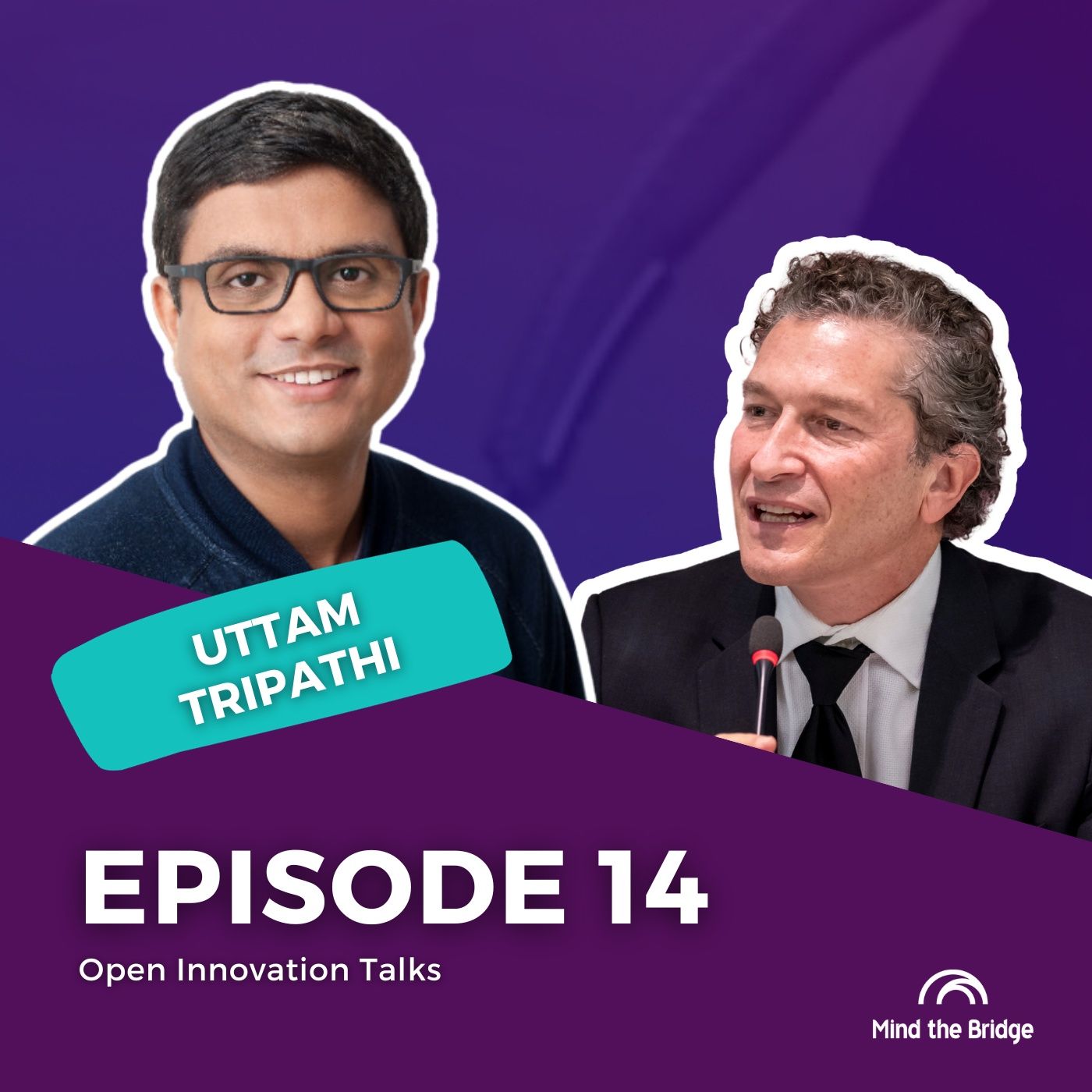
好的,再次从硅谷向大家问早安。我是Mind the Bridge的Marco Maranucci。今天我们很荣幸邀请到我的前同事,来自谷歌的Uttam Tripathi。Uttam,很高兴见到你。
All right, good morning again from Silicon Valley. This is Marco Maranucci from Mind the Bridge. Today, we have the pleasure to have with us an ex colleague of mine, Uttam Tripathi, from Google. Uttam, good to see you.
Marco,我也很高兴见到你。早上好。
Marco, good to see you as well. Good morning.
各位早上好。实际上Uttam身兼数职,从你的领英资料来看,你既是谷歌全球开发者项目负责人,又主管美洲生态系统与初创企业加速器业务,对吗?
Good morning, everybody. And Uttam actually has a couple of roles there, so reading from your LinkedIn profile, you're both head of global developer programs at Google and also the head of the American Ecosystem and Startup Accelerators. Is that correct?
没错。我们团队有双重职责:一方面是规模化推进全球开发者社区建设,围绕Android、TensorFlow、网页端及Google云平台等所有谷歌开发者产品,开展认知普及、教育培训、应用推广和反馈收集;另一方面则专注于美洲生态系统,涵盖美国、加拿大及拉丁美洲地区,其中旗舰项目就是运营各类加速器计划。
Yeah, that's right. So we have two hats. One of them is how can we scale our global community efforts, developer community efforts, driving awareness, education, adoption, feedback around all the Google Developer products that we have, from Android to TensorFlow to web to Google Cloud Platform. And then the second part of the team really focuses on the American ecosystem, so US and Canada and Latin America. And within that, one of our flagship effort is all the accelerator programs that we run.
所以这就是我一直在听说的那两个角色。
So those are the two hats I've been hearing.
是的,肯定非常忙碌,因为这两个领域我认为对谷歌特别重要。也许我们可以从这里开始。为什么谷歌——我是说这很明显对吧——特别是在发展时期、发展项目中。那么或许我们可以先谈谈这个。你们通常会开展哪些活动来培养全球各地开发者之间的联系和生态系统?你在其中扮演什么角色?
Yeah, it must be very busy because both areas are, I think, particularly relevant for Google. Maybe we can start from that. Why is Google I mean, it's pretty obvious, right, in particular on a development era, development program. So maybe we can start from that. Which kind of activities you normally run to kind of develop also links and ecosystems of developers in different parts of the world and what is your role there?
好的,很高兴讨论这个。你曾在谷歌工作过,所以对你这样的人来说应该非常直观。谷歌的业务本质上是数字生态系统。全球数字生态系统越强大,从长远来看对谷歌业务越有利。这就是为什么我们投入大量精力帮助企业上线,这些努力一直是我们的基础工作。
Yeah, happy to talk about it. And you have been at Google, so I think for someone like you, it will probably be very straightforward. Google business is in of digital ecosystems. So the stronger digital ecosystems worldwide actually helps Google business long term. And that's why a lot of efforts around bringing businesses online and efforts around that have been foundational.
我们团队专注的两项工作中,第一项其实要从初创企业加速器说起。谷歌近二十年来一直在进行初创企业投资,我们有谷歌风投、谷歌资本,现在还有投资公司的Gradient Ventures。但几年前我们发现缺失的是与早期初创企业的技术反馈互动——了解他们的用例,让我们的开发者产品更好地满足他们需求。这就是我们启动加速器项目的初衷。
The two efforts that my group focuses on, the first one, again, actually, me start from the startup accelerator side. So Google for almost two decades or around that time has had efforts of investing in startups. We had Google Ventures, Google Capital, now Gradient Ventures that invests in companies. But one of the things that was lacking a few years ago, what we found as a gap is engagement with early stage startups from a tech feedback perspective, from understanding their use cases, how our developer products can get better for them. And this was the genesis of why we thought of launching an accelerator program.
这个意图并非从投资角度出发。我们的加速器项目完全免费,不涉及股权变更。核心目的是:如果谷歌要成为开发者和建设者在构建应用解决方案时的首选,我们该如何持续创新?这就是加速器项目的起源。同样的理念也适用于我们的开发者社区项目,因为全球有近2000万到3000万开发者。
The intent there was not from an investment perspective. Our accelerator programs are free of cost, and we don't no equity changes had. But the intent there was, if Google has to grow as a company that is a top choice for developers and builders to consider as they are thinking of building their applications and solutions, how can we continue to innovate? So that was why the Accelerator program started. And the same also applies to our developer community programs, because there are almost 20 to 30,000,000 developers worldwide.
其中很大一部分使用谷歌的开发者产品。但这也是一个竞争非常激烈的环境。说实话,过去一年AI的兴起更证明了这一点。开发者现在有更多选择,这让我们保持谦逊并时刻准备持续创新。这就是为什么我们要在这两个领域投入更多努力。
A good chunk of them use Google's developer products. But it's also a very competitive environment. And I think, if anything, last one year has demonstrated that with the advent of AI. And there are more choices available for developers, which keeps us humble, honestly, and on our toes on continuing to innovate. That's why more effort around both of these areas.
我很乐意详细讨论其中任何一个。我了解你,所以——
And I'm happy to talk about either one of them in detail. I know you, that's
是啊,我想是的。显然对于我们的观众来说,初创企业方面更相关,但让我们先讨论另一个话题以便理清思路,因为我特别感兴趣的是,当你提到AI新浪潮时,甚至开发者角色的变化,以及整体程序员的情况。过去几年世界已经大不相同。那么你们通常做什么?你们的关键绩效指标是什么?
something Yeah, yeah, I guess. So you're obviously also for our audience, the startup side is more relevant, but let's cover first the other one so we can get out of the way because I'm intrigued, particularly when you say it with the new waves of AI, even the role of developers, right, and programmers overall. The world is a different place in the last couple of years. So what do you guys normally do? What is your KPI?
你知道谷歌的一切都是由KPI和OKR驱动的。在开发者关系方面有哪些OKR?根据你的理解,你认为应该如何吸引正确的受众群体?
You know that everything at Google is driven by KPI OKRs. What are the OKRs on the developer relationship side? And then your interpretation, what do you think is going to happen to try to engage the right audience?
是的。在谷歌,当我们谈到开发者关系和开发者工作时,我们的OKR并不与收入挂钩,这其实是件好事。这确实能帮助我们采取更中长期视角。公司其他部门当然还是以收入为重。
Yeah. So at Google, when it comes to our developer relations and developer work, our OKR is not tied around revenue, which actually is good. And it really helps us to take a little bit more medium to long term view. There are other parts of company. And company as a whole, of course, revenue is important.
但在为开发者构建项目和产品时,采取更中期的视角能帮助我们创造解决方案。举个例子,今年我们主要围绕AI和生成式AI展开工作。作为其中一部分,我们推出了诸如Palm API等项目,当然还有年初发布的PART版本。
But when we're thinking of building programs, products for developers, taking a little bit more medium term view helps us create solutions. So let me take as an example. This year has been all around AI, generative AI. And then as part of that, we had things like Palm APIs getting rolled out. Of course, we had version of PART going out early in the year.
在开发者关系方面,这项工作始于建立认知阶段——让越来越多的开发者知道你的平台或API存在。完成这一步后,就进入教育阶段,让他们通过测试、课程和认证,为使用API和平台做好准备。之后是采用阶段,开发者学习现有功能并尝试使用。整个过程中自然会产生反馈。
And when it comes to developer relations, the exercise started to start from building awareness. Do more and more developers know that your platform or your API exists? Once that step is met, then you move into the education phase where you want them to go through the test, the curriculum, the certification so that they are ready to start using your API and platform. The stage after that is adoption, where you learn what exists, you try to learn it, and now you are ready to start using it. As part of that whole journey, there's, of course, going to be feedback.
优秀的开发者关系组织和开发者项目团队都建立了双向沟通渠道,我们不仅对外分享信息,还将开发者声音引入公司内部,传达给产品团队以影响未来路线图。这些都是团队的工作内容。不同产品可能侧重不同阶段,比如产品A可能更关注认知建立,而产品B可能侧重采用或教育。
And a good developer relations organization, developer programs team has a two way channel, where we are not just sharing externally, but bringing the voice of developers within the company, bringing it to the product team so that it could be part of the future roadmap. All of this is something that the team does. Now, each product, we might be focusing on different areas. Like for product A, the focus might be more on awareness building. But for product B, it might be more around adoption or education.
正如我所说,谷歌有众多开发者群体需要支持,保持敏捷思维很重要。我们不能年复一年套用相同模板,市场环境在不断变化。围绕AI领域,鉴于行业发展速度,我们的工作重点实际上是从认知建立到教育、采用再到反馈的全流程推进。这正是我们当前的发展方向。
Because at Google, as I said, there are multiple developer calls that we are trying to support, which also is important from a staying agile mindset. We can't execute the same template year over year. The market dynamics shift and change. But around AI, a lot of our focus has actually been from awareness building to education to adoption to also feedback, given the pace of how everything is moving. And that's where we are moving ahead.
这也是一个不断让你保持谦逊的领域,鉴于开发者们创造的内容本质,以及你如何持续满足他们的需求。
This is also an area which humbles you constantly, given the nature of what developers are creating and how can you continue to stay up with their needs.
我想知道你是否已经从事这项工作多年。就与不同区域中心的互动而言,这个过程是否随时间演变?或者说你们所接触的开发者中心是否长期以来基本相似?
I wonder if the so you have been doing this for a number of years. In terms of engagement with different regional hubs, is this process evolved over time? Or kind of the hubs of developers where you guys are engaging is kind of similar over time?
我在开发者关系领域已有十多年经验。针对你的问题,这些中心大体上保持不变。但变化的是——毕竟十多年时间很长——这些中心的规模和发展轨迹已发生显著转变。举例来说,尼日利亚和巴西等地的开发者生态增长速度,远比美国或西欧等地更为迅猛。
So I have been in developer relations for a little over ten years now. Right. And to your question, the hubs have largely remained the same. But what has changed, I guess, ten years plus is a long time, the size of those hubs and the growth trajectory of those hubs have significantly shifted or changed. A couple of examples, if you look at the growth of developer landscape in places like Nigeria and Brazil, much steeper growth trajectory compared to places like US or Western Europe.
美国当然仍是第一大开发者市场,但其他一些国家正以更快的速度增长。印度等地也是如此。中国的开发者生态略有不同,更偏向内向型,但从科技角度看也有所发展。我们很多工作都聚焦于开发者中心,团队也是按区域分布的。
US, of course, still is the number one developer market, but some of these other countries are growing at a much steeper pace, much faster rate. The same is true for places like India. China is a slightly different developer landscape, which is a little bit more inward looking, but from a science perspective has also grown. And in a lot of our work, we do focus on developer hubs. Our team is also regionally distributed.
我们努力贴近开发者所在地,以便实地开展项目。因此从某种程度说,这些中心基本未变,但其规模已经演变——当你用前瞻视角看待时,就会相应调整很多资源配置决策,决定在哪些领域加大或减少投入。
We try to be where the developers are so we can run the programs on the ground. So, yeah, in some way, the hubs have largely remained the same, but their sizes have evolved, which when you take a forward looking view, then you change a lot of your resourcing decisions and where you want to invest more versus less.
有意思。在2023年的当下,你们为早期开发者提供了哪些激励措施来促使他们使用谷歌工具?
Interesting. What incentives are you creating today, twenty twenty three, for early developers to start using Google tools?
我们的很多激励措施都聚焦于如何帮助开发者成功。比如,如果你是个体开发者或是两三人的小团队,你肯定不想操心扩展性、安全性问题,也不想为快速上市或掌握复杂技术方案而烦恼,你只想解决问题。从谷歌角度,我们试图做出的承诺是:当你使用GCP等服务时,就能快速基于支撑谷歌自身产品的相同技术栈进行开发。
So a lot of our incentives focus on how can we help developers be successful. Like, if you're a developer or even a small startup with, say, two or three people, you don't want to worry about scalability. You don't want to worry about security. You don't want to worry about going to market quickly and having a lot of technical understanding of building a solution, you just want to solve for a problem. And the promise that we tried to put in from Google's perspective is if you're using things like GCP, you quickly get started building on the same stack that exists and that powers Google's own products.
因此你将获得业界顶尖的安全性、可扩展性、本地化与国际化等全方位支持。我认为这对任何试图构建解决方案的人都是强大动力,能助其快速实现规模化。另一关键点是我们要将解决方案锚定在不会一夜消失的技术上。如果你投入六个月学习新编程语言,但该语言在其他开发者产品或平台中的应用并不广泛,你被其束缚的风险就很高。所以我们重点打造被业界认可为标准规范的解决方案。
So you are getting the best in class security, scalability, localization, internationalization, all of those things. And I think that's a strong incentive for anyone who's trying build a solution, go out there and quickly scale. The other piece is trying to anchor our solutions around technologies that will it's not that technology will just go away overnight. So if you invest six months or you're learning a new programming language, but the uses of that programming language within other developer products or platforms is not as strong, your chances of getting stuck with that is very high. So a lot of our focus is on building solutions that get recognized as industry standards.
这也正是我们与开源社区深度合作的原因。对于选择谷歌开发的程序员,我们的承诺是全力助你成功。因为你的长期成功就是谷歌的长期成功。由此你就能专注构建目标,而无需担忧扩展性、安全性、AI工具等环节。
And that's where a lot of work with open source communities as well. So a developer looking to build with Google, our promise is we are invested in helping you be successful in what you're trying to do. Because your long term success translates into Google's long term success. And as part of that, you get out what you're looking to build rather than get stuck in worrying about scalability, security, AI tools, all of those pieces.
明白了。这正好自然过渡到下一章节。部分开发者的成功之处在于他们将创意与产品转化为公司。现在请谈谈你作为美国创业加速器负责人的第二重身份。
Got it. Perfect. And I think it's a good segue into the next chapter. One of the potential successes of some of the developers is that they build a company around an idea and a product. So here comes your second hat as the head of America's startup accelerators.
那么这些项目是专门针对创业者的对吧?不同孵化项目可能针对不同发展阶段,规则也不尽相同。能否概述下2023年谷歌现有的各类计划?我记得在谷歌任职时,这还只是'Google for Entrepreneurs'的雏形,后来发展为'Google for Startups'。这些支持新生代创业者的项目源远流长。请谈谈当前加速器计划的核心关注点。
So those are specifically for people that are entrepreneurs, right? So I'm not sure at what stage of development do you expect people in the different programs that might have different rules, so maybe you can give kind of an overview of all the different today, twenty twenty three programs that Google has. And I remember again, when I was still at Google, that was kind of the seed of Google for entrepreneurs that became Google for startups. It goes way back when, right, these programs in support of the new waves of entrepreneurs. So give us a flavor of what's really the focus on the current sets of accelerators at Google.
确实如你所说,这从一开始就是谷歌的基因所在。我们始终思考如何与创业生态和创业者保持互动,支持他们的成长历程。因为一个蓬勃发展的数字生态对谷歌这样的企业大有裨益。正如先前所言,我们的加速器计划主要驱动力并非投资目标或股权交易。
Yeah. And as you very rightly put, this has been part of Google's DNA from the very beginning. Like, how can we stay engaged with the startup ecosystem, with the entrepreneurs, and we can support them, like support them in their own growth journey because a much bigger digital ecosystem that's growing and thriving is actually useful. I guess it's beneficial for a company like Google. And within that lens, as I talked earlier, a lot of our startup accelerator program, again, it's not primarily driven around investment goals, not primarily driven around equity changing hands.
其核心在于:如何助力新一代创业者在谷歌平台取得成功?如何帮助他们通过谷歌实现创意?我们更注重保持学习心态。因为创业者通常会在各种限制条件下,比企业开发者更极致地测试平台边界——这恰恰是对产品的绝佳压力测试,其反馈能指导我们优化产品。
But the intent there is, how can we help the next wave of entrepreneurs be successful on Google's platform? How can we help them build what they're trying to build using Google? A lot of our own focus there is learning, so being humble. Because typically what happens is an entrepreneur will test your platform and push the envelope a lot more than an enterprise developer because they are operating under various constraints, right? So they're going really stress test your product, which is great because then that feedback helps us inform our products going forward.
在我负责的美国市场,我们特别设立了关注弱势群体的加速器计划。因为数字生态发展中某些群体确实存在代表性不足的问题。要构建比当下更公平的未来,就必须在特定领域投入更多资源。因此我们推出了黑人创业者加速器和女性创业者加速器等计划。
Within The US specifically, which is one of the markets that I oversee, we also run programs that focuses accelerator program that focuses on underrepresented groups because what's true universally, in a sense, is certain segments have underrepresentation when it comes to growth of digital ecosystem. And if you're looking to build a fairer future than what exists today, we need to really provide more resources, more support in certain areas. That's where we have programs like our Black Founders Accelerator, our Women Founders Accelerator.
拉丁裔创始人,我见过。
Latino founders, I've seen.
我们正在推进的拉丁裔创始人加速器项目,其核心目标就是创造更多机会。说实话,我们也在可持续发展与气候变化领域投入了大量新资源,这个话题正获得全球范围的关注。今年夏天你们谈论我们的旅行时,我刚从印度回来,我们还去了欧洲。你们已经开始亲眼目睹气候变化带来的种种改变。
Latino Founder Accelerator that we are working on, and a lot of that is really around creating more opportunities. We also have a lot of new effort around sustainability and climate change, which is a topic which is getting relevance worldwide, to be honest. And if anything, this summer, you are talking about our travels. I was in India and we were in Europe. And you are starting to see the changes that climate change is creating around us.
因此这也是许多建设者正在思考的问题。我们该如何利用谷歌的资源来解决相关挑战?我们的加速器项目采用队列制,通常为期六个月。流程包括公开申请、面试和选拔环节。
So it's something a lot of builders are also thinking about. And then how can we make Google's resources available to solve problems around that? Our accelerator programs are cohort based. So it's typically a six month cohort. We have open applications followed by interviews and selection.
每个队列通常由15家初创企业组成。项目启动后会有为期一周的入门培训,之后初创企业将专注于解决方案开发。最后以结业会议和演示日收尾。参与加速器的初创企业还能获得谷歌导师和行业导师资源,这些都是我们精心筛选的合作导师。
A typical cohort consists of 15 startups. And then the program runs we have an onboarding, getting started week, and then startups continue to work in the solutions. And then we have closing sessions followed by demo day. The other thing that startups get as part of the accelerator program is access to Google mentors and industry mentors. It's a list of highly curated mentors that we work with.
覆盖领域从技术到市场推广等全方位支持。初创企业从我们加速器获益最大的阶段通常在A轮融资前后,无论是Pre-A轮还是Post-A轮,这都是项目重点优化的阶段。每个加速器项目还会设置三到四项特定标准,比如某些月份我们会重点扶持金融科技或医疗健康类初创企业。
It ranges from technology areas to go to market and all of those pieces. The sweet spot for a successful startup to benefit most from our accelerator program is somewhere along Series A. So either just before pre Series A or post Series A is where we feel that the startups get the most value, and that's where the program is optimized for. And then for each of the accelerator, then we have three or four other specific criterias. Like, for example, in certain months, we want to focus on, for example, fintech startups or health care startups.
通常每个队列都有特定主题。最佳入门途径是访问developers.google.com/community,这里可以了解我们所有开发者项目,包括加速器计划的具体细节。
Typically, each cohort also comes with a flavor. But the best place to get started would be you'll if go to developers.google.com/community. That's where you can start learning about all of our developer programs, but also the accelerator programs, and dive down into each of the specific ones.
既然你提到这个,加速器官网是startup.google.com/accelerator。就是
And the accelerator, since you're giving plugs away here, is startup.google.com/accelerator. That's the
其他可供浏览的链接,但通过developers.google.com/community你也可以导航到那里。哦,明白了。明白明白明白。
other link through which you can navigate, but through developers.google.com/community, you can also navigate through there. Oh, got it. Got Got Got it.
这个专门针对开发者和创始人的项目,显然一个共同点是开发框架,但你们是否期望创始人本身也必须是开发者呢?
This specifically for developers, founders, is that obviously a common denominator there is that, I guess, the development framework, but do you expect the founders to be a developer as well or not necessarily?
并非必须。我们确实期望创始团队中有人具备技术背景,因为我们认为这是谷歌最能发挥价值的地方。如果你的初创企业以技术为核心,或技术是推动业务发展的关键,那正是我们能提供最大价值的领域。但反过来说,如果你的初创企业与技术完全无关,解决方案中根本不涉及技术,那我们可能就无法提供太多帮助。不过即便如此,你的初创企业也无需以开发者为中心。
Not necessarily. We do expect someone in the founding team would be technical because a lot of our and this is where Google, we think we can add most value. If your startup is technology focused or technology is really powering what you're trying to build as a startup or as a company, that's where we can bring a lot of value. If you are running a startup and you have nothing to do with technology, you don't use technology at all in your solution, etcetera, we may not be able to add the most value. But having said that, your startup doesn't need to be developer focused.
你需要运用技术和开发者平台来构建解决方案。这正是我们看到大多数应用场景出现的地方。我们入选的大多数初创企业都设有CTO职位,但CEO往往是非技术背景出身,却对市场拓展、业务或合作充满热情——这是普遍情况。
You need to be using technology, developer platforms to build a solution. And that's where we see most of use cases coming in. A majority of our startups that get selected into the cohort have, for example, a CTO, but they will have very often a CEO that's nontechnical, but that really is passionate about going to go to market or business or partnerships, and that's majority cases.
这些项目是滚动录取的对吧?能否谈谈筛选流程?从申请到入选需要多久?另外不同项目之间差异大吗?比如是否提供资金补助,还是主要以谷歌庞大导师资源提供免费指导为主?
Those are on a rolling basis, right? So maybe you can talk about the process. How long does it take to be selected? And again, if there are big differences between from program to a program in terms of also are you giving grants away or is mostly support and free mentoring using the large mentors from Google?
是的,这里有几个问题需要拆解。首先,我们很多加速器项目确实采用滚动录取机制。具体到单个项目,我们会分阶段进行:开放申请→筛选→ onboarding。目前美洲地区约有10个选修项目在同步运行。
Yes, few questions to unpack. The first one is, yes, so a lot of our accelerators are operating on a rolling basis. For an individual one, we do have those stages. So we have open applications, followed by selection, followed by onboarding. Right now, across The Americas, we have approximately 10x electives going on.
因此有些项目可能处于开放申请阶段,有些正在进行学员培养,还有些可能临近毕业或演示日。我们通过这种方式实现全年工作量的平衡,也让团队能高效支持多个加速器项目。
So some of them might be in open application states. Some of them might be in the ongoing cohort states. Some of them might be getting ready for graduation or demo date. And that's how we try to load balance the entire year. Also the effort of the team and how we are trying to support multiple accelerators.
但对于每一个项目,我们尝试做的是你之前提到的那些网站,然后我们会把链接放在这个视频里,也会放在播客中。大家可以访问那里,我们会及时更新哪些批次正在接受申请。我们通常会开放四到六周的申请期,让大家提交意向。之后我们会进入筛选和选拔的下一阶段。关于激励措施,我们不提供资助。
But for each one of them, what we try to do is the websites that you referenced earlier, and then we'll hopefully put the link as part of this video as well and also on the podcast. Folks can go there, and we keep it very updated in terms of which cohort is currently accepting applications. We typically try to give four to six weeks of open application where folks can submit their interest. And then we take it to the next stage of filtering and selection. In terms of the incentives, we don't do grants.
我们确实曾在2014、15年最初几期加速器中提供过资助。但从社区得到的反馈是,资助虽好,但很多初创公司和创始人其实更看重项目本身的价值。而且参与谷歌加速器的事实让他们在其他地方融资变得容易得多。对我们来说,资助反而成了扩大规模的限制,因为每启动一个新加速器就得申请更多预算。当我们意识到这对创始人并非最关键,反而制约了规模化发展时——
We did used to do grants for our very, very first accelerators in 2014, 'fifteen. And the feedback that we heard from the community is like, grants is good, but honestly, a lot of startups and founders were getting the value through the program itself. And then the fact that they're part of a Google accelerator made their journey of raising funds elsewhere a lot more easier. For us, grants was becoming a constraint in scaling because every new accelerator that we had to start or then we had to go and ask for more budget. As soon as when we realized, Okay, this is not the most important thing for the founders, but it's help it's kind of preventing us at scale.
我们成功运作了几期无资助的加速器。实际反馈几乎相同。我们努力提供大量价值,再次强调谷歌在资源、人脉、技术接入方面的优势,项目课程本身也很重要。形成的核心小组和同行网络对许多初创公司都非常有帮助。
We land a few accelerators without grant. And the feedback actually was almost the same. So it's a lot of value that we try to provide. Again, the best of Google in terms of resources, connections, access to technology, the program and curriculum itself. The core group and the peer group that gets formed is also very useful for a lot of these startups.
我们还努力在项目结束后保持联系。不是结业就杳无音信了,我们会持续关注初创公司发展,在他们需要时提供导航帮助。
We also try to stay in touch after the program. So it's not that the cohort is over and you don't hear from us anymore. We try to stay in touch with startups after the program itself and help them navigate if they need anything.
是的,我可以作证,因为你曾是我们某些项目的导师,而且是非常友善的导师。确实存在保持与谷歌多通道联系的真诚意愿,对吧?毕竟谷歌早已发展成一个星系般庞大的存在。导航确实不易,所以有个能引导你穿梭于Alphabet旗下各公司单元(更别说内部产品)的入口总是好的。
Yeah. And I can testify because you've been one of the mentors and nice mentors of some of our programs. And really there is a genuine interest in maintaining a channel open with multiple routes within Google, right? Because now Google has become for actually quite some time a galaxy, right? It is somewhat difficult to navigate, so it's always good to have an entry point that can help you guide through the navigation of different units, different companies now within Alphabet, if not products from within.
现在我想请教你的前瞻观点,基于你与数千名企业家交流的经验,特别对于地区和政策制定者而言,要创造正确的激励措施和要素来促进创新规模,需要哪些条件?这是个超越我们两人认知的宏大议题。作为门德和布里吉特,我们近几年其实更聚焦于此。我们有个叫'创业生态之星'的项目,专门表彰政府机构中推动双向创新(我们称之为外向与内向创新)的最佳实践——既要能输出各地区的优秀项目和创新,又要能吸引人才和资源。不知道在你接触的地区中,是否有些政策转化为实际影响当地经济的典型案例?
I would like to pick your brain now, looking forward, also based on the experience of the probably thousands of entrepreneurs you've been talking to, what does it take for, in particular, region and policymakers to create the right incentives and the right elements to be thriving in terms of the amount of innovation that can come or be attracting as a result of policy. So this is a wider discussion that goes over our heads, both of us. We, as Mende and Brigitte, we've been focusing on that actually a little bit more significantly in the last few years. We do actually have a program that is called the Startup Ecosystem Stars, really to recognize the best practices among the different government organizations, able to push for more, what we call, outbound and inbound innovation, so both to be able to export the best projects and innovation in different regions and to attract talent, both human talent and sometimes resources. So I wonder if across the regions that you deal with, if you have a few ideas now of a few examples of some of those policies that then being translated into things that have a real impact in the local economy.
当然这个话题必然要谈到印度,毕竟你刚从那回来,想必有很多案例。不过我们先泛泛而谈,稍后再聚焦印度。
And obviously as part of that conversation, we want to talk about India because that's where you're just back from and I'm sure a lot of those examples are coming from there. But maybe let's generalize one second, and then we can go down to India.
好的,很高兴聊聊这个。作为我职业生涯的一部分,我从小在印度长大,最初也在那里工作。其实之前提到过,我还在欧洲生活过将近一年,虽然不是连续居住,而是分段式的。当时我在瑞士工作,
Yeah, happy to talk about that. So as part of my career journey so far, again, I grew up in India, worked initially there. Actually, mentioned to you, I lived in Europe as well for almost a year, not in stretch, but in different fragments. I was in Switzerland working as a
那是
It was
最初位于苏黎世南部仅几分钟车程的地方,不过乘火车到苏黎世只需三十分钟。那里也是瑞士的德语区。德里克,我在大学担任研究员职位。但你能感受到那里的生态系统是如何运作的吗?事物是如何发展的?而过去十多年我都在硅谷。实际上我最初是从硅谷开始的,之后我们可以把话题转到印度部分。
minutes just south of Zurich in origin, but Zurich was just thirty minutes away by train. So that German speaking region of Switzerland as well. Derek, my role was a researcher in the university. But can you get an exposure of how the ecosystem is there and how things are moving? And then last ten plus years here in The Valley, One of the things that I actually started The Valley first, and then we can shift maybe to India for your conversation.
硅谷这样的地方之所以独特,在于多重因素的融合。我认为这是地球上少数几个拥有如此高人才密度的地区之一。因此,当任何新领域出现突破性创新时——比如最近生成式AI的浪潮——这些创新往往源自硅谷这样的地方,这绝非偶然。这不是运气使然,而是由这个空间的存在方式所设计的结构决定的。
What makes a place like Silicon Valley so unique is the amalgamation of multiple things. I think this is one of the few places of such high talent density that exists right now on the planet. Therefore, it's not by serendipity that when there's breakthrough innovation that happens in any new area, and this has been all about generative AI, it comes from place like space like Silicon Valley. It's not serendipity. It's by design or by structure of how the space exists.
事实上,这里有顶尖大学聚集在这个区域。从斯坦福到加州大学伯克利分校,这些学府不仅培养了大量人才,更催生了无数创新理念。这里还有众多榜样人物,许多成功企业家以这里为家,他们不仅积极回馈社会,还持续投资并活跃在生态系统中。当然,从融资角度看这里很棒,但更重要的是这里形成了敢于冒险的思维方式——年轻创始人们能看到身边的榜样,这极大地鼓舞了他们。最后,如果你的初创公司开始取得成功,这个由Sun Microsystems、谷歌、Meta等公司造就的高密度人才池,能为你提供充足的人才储备。
And the fact is there is, like, you have top universities that are in this vicinity. You go from Stanford to University of California, Berkeley, which is really creating talent, rather than creating a lot of ideas that get created in those spaces. Then you have a lot of role models, a lot of successful entrepreneurs call this place home and who are very active in giving back, but also investing and staying active in the ecosystem. Of course, it's great from fundraising and capital perspective, but also it's great in terms of that mindset that gets created of risk taking and the young founders, and they see role models around them, encourages them. And then finally, if you are a startup that's starting to be successful, this high talent density that has been created companies like Sun Microsystems and Google and Meta and others just gives you abundant talent to hire from.
所以不存在无法扩张的问题。你完全可以在硅谷范围内将业务扩展到任何规模。我认为正是这种生态系统让硅谷如此独特。我知道全球很多地方政府都试图复制这个模式——我们能否打造自己的小硅谷?
So it's not that you can't scale. You can literally scale to any size just by staying within Silicon Valley. I think that ecosystem makes a place like Silicon Valley unique. I know many, many local authorities, governments around the world try to replicate. Okay, can we have our own small Silicon Valley?
但这三四个关键因素还具有网络效应,使得整体复制变得极其困难。不过可以分步实现,这可能是个渐进的过程。任何地区的首批创业者往往面临最艰难的处境,因为他们需要改变当地的文化思维模式,需要创建支持初创企业生态系统的新框架结构,让社会更接受冒险精神。
But these three or four factors have also a network effect attached to them, which makes it incredibly hard to replicate the whole thing. But you can do it in pieces. And it's maybe a journey, right? You will see the first wave of entrepreneurs in any region probably have the hardest time because they're trying to change the cultural mindset of that environment. They're trying to create new frameworks of structures of support of startup ecosystem, make it more acceptable risk taking wise.
但随后下一波人开始躺在功劳簿上,靠着他们的
But then the next wave kind of stands on their laurels and their
既得利益。是啊。你不觉得思维模式的转变才是最困难的吗?有时候需要几代人的成功积累,这不是一朝一夕能改变的。
beneficiaries. Yeah. Don't you think that a change in mindset, though, is the hardest thing, right? Sometimes it takes a generation of successes, It's not something you can change from one day to the next.
确实如此。过去三四十年全球化的好处在于,人们更容易发现其他地区的成功案例。思想交流正变得越来越便捷。但你说得对,某些文化思维模式的改变需要漫长的时间。
Exactly. And the benefit, I think, for the last three or four decades is globalization is making it easier for people to discover success cases from elsewhere. That pollination of ideas is becoming easier. But you're exactly right. Like some of this cultural mindset takes forever to change.
我认为这正是现在回到印度话题的关键。自1947年独立以来,印度前几代人实际上刚从殖民思维中走出来——几百年来作为英国殖民地,人们被训练成必须顺从的生存方式,政府工作在当时看来是最稳妥的选择。
And I think this is what going back to now going to the India piece. I think this is where since India got independence in 1947, the first wave of generation or the first couple of generation was actually coming out from a colonial mindset, where for you, for hundreds of years, India was a British colony, and you get trained to live in a certain way where you have to be compliant, and a government job is probably the safest thing if you land into that.
遵守规则,对吧?循规
Follow rules, right? Follow
蹈矩地生活。还有匮乏心态也深植人心。但当你迎来突破性时刻,一切就开始释放,随后希望这种雪球效应能持续下去。
the rules and just live with that. Also scarcity. Scarcity kind of comes in your mind. But then you have a breakthrough moment, which starts to unleash things, and then that snowball effect hopefully catches up.
没错。我刚看了你最近从印度回来写的博客,这可能是疫情前后你在印度待得最久的一次。你对印度初创企业生态系统的发展方向非常乐观。现在情况如何?毕竟我们谈论外包浪潮还是二三十年前的事,比如班加罗尔的IT发展。
Yeah. So I saw your recent blog postage just back from a couple of months in India, probably the longest for definitely pre COVID time from post COVID time. And you sounded very bullish in where India is headed in terms of the ecosystem of startups. What do you think is now, right? Because we've been talking about the wave of outsourcing as, what, twenty, thirty years back, the IT development, places like Bangalore.
这根本不是新鲜事。那么你认为现在与二十年前相比,到底有什么不同之处?
Is not new at all. So what do you think is different now that wasn't already there twenty years ago?
没错,你说得对。我想这是疫情后我在印度停留最久的一次。最初几周我注意到一个独特的乐观氛围——当然,印度正处于建设热潮中,大量基础设施正在兴起。无论你走在班加罗尔、海得拉巴、孟买,还是印多尔、科卡这样的二线城市(其实科卡算一线城市)都能感受到。
Yeah, you're exactly right. I think this was the longest I've been in India after the pandemic. And one of the things I realized in the first few weeks that I was noticing is a unique set of optimism that was just around. Of course, India is in this build mode, a lot of infrastructure coming up. You go around in places like Bangalore, Hyderabad, Mumbai, or even tier two cities like Indore or Kodka, which is not Kodka was actually tier one.
即便在印多尔这样的二线城市,你也能明显感受到人们投身建设的热情。我一度怀疑是否只有我注意到这种现象,直到和许多同样三四年没来印度、近期才重返的同龄人交流。后来我又看到谷歌前员工、现任微软高管的马努·古普塔在领英发了相同观察的帖子。
But even in tier two cities like Indore, you see this palpable excitement that people are building and creating. And I was trying to just check myself, is it just me who's noticing it? And then I talked to a bunch of peers, many of them who are in the same phase, haven't traveled to India for three, four years and then traveled. And then I came across this LinkedIn post by Manu Gupta, who used to be at Google and right now is in a very senior role at Microsoft. And he posted the same thing.
于是我说:看来不止我一个人注意到这个现象。你说得很对——熟悉印度发展历程的人都知道,1991年印度曾濒临破产边缘,当时不得不抵押黄金储备来筹集资金,为国家争取生存和继续进口的喘息空间。
So I said, Okay, this is a phenomenon that many others are noticing. And you are exactly right. I think India journey, those of you who familiar, 1991 was India's almost getting to that prank moment where the country was almost going bankrupt. They had to really put up a lot of their gold to raise money. You have to give away your goals, to raise money, to really give enough runway for the country to survive and continue the imports.
转折点出现在拥抱全球化之后:印度开始开放市场吸引国际投资。那代成长中的印度人首次意识到:原来国境之外还有如此多机遇。正是这一时期,印孚瑟斯等公司开始拓展全球化业务。但如今更显著的变化是从IT服务向IT产品的转型——越来越多印度创业者正从服务型转向产品型初创企业。
And the moment that changed after that is in this embrace globalization, so starting to open the markets for international investments to come in. This was the first time, I think, where a lot of Indian generation that was growing up at that point of time started to feel, Okay, what opportunities lay outside of the shores of the country? This is the same time when companies like Infosys were starting to scale their business and the globalization movement. But what's changing now more specifically is the shift from services, IT services to IT products. A lot more Indian entrepreneurs are looking to build product based startups than services based startups.
过去二三十年间,印度经济虽然仍远小于美国经济体量(可能只有其六分之一甚至十分之一),但已足够支撑本土生态——你完全能为本地市场开发产品、获得融资,甚至成为独角兽企业。
The Indian economy in the last twenty to thirty years has also again, it's not in the size of US economy. It's probably six to seven times smaller, probably 10 times smaller. But it's sizable enough that you can think of building a product for the local ecosystem, local market. You can raise money for that. And you can even attain a status of being a unicorn.
以印度为例:2014年我离开时全国只有2家独角兽,去年这个数字达到100家,今年又新增三四家。从2家到100家的跃迁,使印度成为全球第三大初创生态圈。这些数据都预示着即将到来的建设浪潮——而人们身上那种极具感染力的乐观精神,正是这股浪潮的最佳注脚。
So India, for example, when I left in 2014, had two unicorns. Last year, India had 100 unicorns, and they added three or four more this year. So going from two unicorns to 100 unicorns last year, just from the size of the startup ecosystem, now the third largest startup ecosystem on the planet, which is pointing to all of these factors of a massive build moment that's coming along, which is something that you notice. I think that optimism that people carry around is also very contagious because
是的,是的。关于我们之前提到的心态,当你感受到一种具有传染性的环境时,那些显然是事物真正可能发生转变的关键时刻。我的意思是,我认为轨迹的重要性不言而喻,而现在普遍认为经济确实正在崛起为世界第三大经济体,而中国正面临一些困难。所有人的目光都聚焦在印度身上,这是理所当然的。
Yeah. Yeah. To the mindset that we mentioned before, when you feel an environment that is contagious, clearly those are the topical moments where things can really shift and change. I mean, I think it's pretty clear that the trajectory is what matters and now the feeling is that the economy really plays as a potential third largest economy in the world coming up with China having some troubles. All the eyes are now on India and rightly so.
是的,我认为预测显示印度将在未来三到五年内成为第三大经济体,考虑到该国规模——印度现在很可能已是人口最多的国家。因此我们也需要平衡这一点。关于乐观情绪,你提出的观点是:如果生态系统中大部分人都认为未来会比现在更好,就会带来乐观因素。这能让你更容易激励员工和团队成员去创新。坦白说,我认为西方经济体由于各种原因在这方面有所欠缺。
Yeah, I think the forecast is India to become the third largest economy over the next three to five years, which again, for the size of the country, probably India has the highest population now. So it's also, we have to balance it with that. I think around optimism, the point that you make is, if a large section of your ecosystem thinks that the future is going to be better than the present, that brings the element of optimism. That makes it easier for you to motivate your employees, your team members to create. And to be candid with you, I think the Western economies have been missing that a little bit for a variety of reasons.
所以我认为这形成了一股强劲的顺风,而当前形势...
So I think that adds to a massive tailwind And where things are
我们可以谈谈当下发生的事,因为软银、塔塔全球,还有红杉资本(顺便说他们分拆后)都大举进军印度市场。2023年是截然不同的一年,或许我们可以稍作讨论,既要平衡高涨的热情,也要面对全球正在发生的现实检验——至少大部分资金流动都已显著放缓。
we can talk about what is happening today because the SoftBank and the Tata Global of the World, think they made, and Sequoia as well, by the way, that spun off, made some push into the India market. 2023 is a total different year, so maybe we can talk about that a little bit to also balance out the big excitement and now also reality check that is happening around the world most of the funding at minimum slowing down by a significant amount.
没错。疫情期间发生的变化让印度等经济体受益,远程工作成为焦点,人们真正实现了随处办公。我知道许多印度朋友直到去年都无需待在班加罗尔,他们在二三线城市的家乡为美国公司或工厂工作,拿着近乎美国水平的薪水。这再次印证了全球化的事实,以及疫情催生的新模式——远程工作等做法获得了更多认可。
Yeah. So what happened during the pandemic years, and this is where economies like India has benefited, with the focus around remote work, and you can literally work from anywhere. I know a number of my friends in India who were actually, like, through the pandemic till last year, were not sitting in Bangalore. They were sitting in their hometown in a tier two, in a three, or three city, working for a US company or a US plant, making almost a US salary. And this is, again, the fact of globalization and the new models that are possible due to the pandemic and more acceptability for things like remote work.
诸如此类。现在综合来看,正如你提到的,某些风投公司已经发生变化——它们都在班加罗尔、孟买、海德拉巴和国家首都区等地设立了本地办公室。因此初创企业创始人融资时不必飞往硅谷,他们可以直接与本地生态圈的红杉、软银人士洽谈。飞往班加罗尔开个会,就能更轻松地推进这些对话。
Etcetera. Now, in all and the other thing that you mentioned, some of those VC companies, what also has shifted is each of these companies now have local offices in places like Bangalore, Mumbai, Hyderabad, National Capital Region. So if a startup founder is trying to raise funds, they don't have to fly all the way to Silicon Valley. They actually talk to Sequoia SoftBank folks in the local ecosystem. You take a flight to Bangalore, go and have a meeting, makes it easier for you to get going on those conversations.
过去几年全球范围内发生的变化(但在高增长轨迹地区更为显著)是:高估值催生了许多错失恐惧症,导致投资者争相追逐初创企业。这种修正去年开始,今年上半年仍在继续。但我注意到,包括Zomato(几个月前发布财报)、Paytm在内的许多初创企业创始人都以专注盈利为荣。关于盈利的讨论已成为核心议题,因为此前所有人只关注增长、增长。
Now, what has happened in the last couple of years, and you're seeing this worldwide, but gets more amplified in regions with high growth trajectory, I think was high valuations that got created, a lot of fear of missing out, left to investors really running after startups with their checks. And that correction started last year. First half of this year continued. But what I'm also noticing is, and a lot of startups like in their founder, like for example, Zomato, who came out with their earnings a few months ago, Paytm, are taking pride that they are focusing on profitability. The conversation around profitability is taking center stage because so far it was all around like growth, growth.
你们先占领市场。等规模做大了,再考虑盈利问题。不过现在理性也在回归,我认为这是好事。虽然会产生一些泡沫,但最终会留下更健康的生态系统。
You capture the market. And then once you have good size, then you'll worry about profitability. But that sanity is also returning. And I think that's good. So some froth gets created and it leaves a little bit more healthy ecosystem.
明白了。顺便说一句,其他成熟的生态系统也经历过类似情况——几年前大家都很狂热,现在则开始回归理性。最后一个问题回到政策层面,我知道您认为印度各地的经济特区政策确实惠及了当地生态。
Got it. So same thing that is happening here, by the way, in any other developed ecosystem where there was a lot of excitement a couple of years ago. Now there's this sanity that is getting through. Last question is about back to the policies. I know that you think that the special economic zones policies that happen around India is something that has benefited the ecosystems.
或许您可以就此展开谈谈。
Maybe you can talk about that a little bit.
没错。经济特区这个概念,我最早是在中国改革开放初期了解到的,大约70年代末80年代初,当时中国正试图打造制造业中心。经济特区被设计成这样的物理区域:企业在那里落户就能享受税收优惠,在审批流程、企业设立等方面都能获得优先待遇。我认为这在很大程度上推动了中国从制造业中心起步的成功发展。印度在2000年也采用了这个政策并开始重点推进。
Yeah. So special economic zones, when I first or the first time I read about them, they were experimented within China, like in the late '70s, early '80s, when China was trying to develop itself as a manufacturing hub. Special economic zones were created as these physical locations where if you set businesses over there, you get tax incentives, you get preferential treatment also from permitting, setting up the business, that string everything. And I think it has contributed to China's success, to a large extent from growing from a manufacturing hub. So India adopted this policy in 2000, year 2000, and started to really focus.
初期阶段主要围绕IT和软件公司建立经济特区。这种模式很大程度上帮助吸引了投资,因为某些情况下企业能享受长达十年的免税期。在特定区域设立公司不仅能简化各类审批手续,还能获得财务激励——这相当于给了企业一个发展窗口期。
Initial phase was focusing on special economic zones around IT companies and software companies. I think that has helped to a large extent attracting investments because in some cases, get these ten year tax holidays. So if you set up a company in a particular fiscal location, in addition to cutting through all the debt pay, you don't have to go through multiple offices to get your business going. It's a little bit more streamlined effort. But financially, you get this window where you can actually it's a financial incentive for you.
等政策层面的基础打好后,决策者的思路是:企业要转换赛道就会变得困难。如果这个生态系统运作良好,企业自然会持续经营,整个生态就能繁荣发展。像班加罗尔、海得拉巴等地都因此受益。
And then after that, once you have developed a footprint from a policy perspective, the way policymakers think is, then it's going be harder for you to switch. Right? If that ecosystem is working for you, you'll hopefully continue and the ecosystem thrives. I think places like Bangalore have benefited. Hyderabad has benefited.
最近谷歌就宣布要在甘地讷格尔的Gift城(一个新兴经济特区)设立金融科技办公室。当然研究也表明经济特区并非万能解药,但确实在很大程度上助力了生态系统发展。现在国内特别关注制造业相关的经济特区,因为这正是国家想要突破的领域。我个人认为这套模式在中印两国的发展历程中都发挥了重要作用。
More recently, Google talked about setting up one of our offices in Gandhi Nagar, one of our fintech offices there in a place called Gift City that's coming up, again, of the special economic zones that's coming up over there. And there's also research around how special economic zones is not a solution for everything. But to a large extent, I think it has helped ecosystem. And now there's a lot of focus within the country on special economic zones around manufacturing, because that's the other area the country wants to grow in. So I personally think that has helped both China and in India in terms of the growth journey and where they're moving.
这是其他国家政策制定者可以参考的内容。这个机制如何运作?它能吸引投资企业来我国吗?在哪些方面具有意义?另外在讨论中,还涉及公平性问题。
So something for policymakers in other countries to look at. How does this work? Will this attract investment businesses to our country? Where does it make sense? So other conversation, there's equity.
我们不想在已经繁荣的地方设立证券交易委员会。相反,你是否希望稍微分散布局?这再次是需要政策制定者考虑的问题。
We don't want to set up an SEC in a place which is already thriving. Rather, do you want to spread it out a little bit? So that's, again, a consideration for policymakers.
太棒了。鲁塔姆先生,感谢您所有的见解。感谢您作为我们的价值合作伙伴和好朋友,始终为初创企业和开发者提供支持。您想提供一个让大家能找到您的联系方式吗?
Excellent. Mr. Rutam, so thanks for all your insights. Thanks for being value partners of ours and a good friend and to be always available for startups and developers. Do you want to give a place where people can find you?
领英是最佳选择吗?
Is that LinkedIn the best option?
是的,领英和推特是最佳选择,我在那里非常活跃。大家可以在这些平台找到我,我很乐意建立联系。同时也要感谢SmartCore多年来作为出色的合作伙伴参与这次对话,我真的很享受。
The best, yeah. LinkedIn, Twitter, super active there. So folks can find me there and happy to connect. Also, SmartCore for being an amazing partner over the years in this conversation. I really enjoyed it.
彼此彼此。好的,保重。回头见,拜拜。
Likewise. All right. Take care. See you soon. Bye bye.
再见。
Bye.
感谢您今天的参与,我们下期《开放创新对话:Mind the Bridge,与行业领袖畅谈》节目再见。
Thank you for being with us today and see you in the next episode of Open Innovation Talks, Mind the Bridge, Chat with Industry Leaders.
关于 Bayt 播客
Bayt 提供中文+原文双语音频和字幕,帮助你打破语言障碍,轻松听懂全球优质播客。