本集简介
双语字幕
仅展示文本字幕,不包含中文音频;想边听边看,请使用 Bayt 播客 App。
讨论让世界运转不息。
Discussion keeps the world turning.
这里是圆桌会议。
This is Roundtable.
您正在收听的是圆桌会议。
You're listening to Roundtable.
我是永玲,与史蒂夫和星宇一起主持节目。
I'm Yongling, joined by Steve and Xingyu.
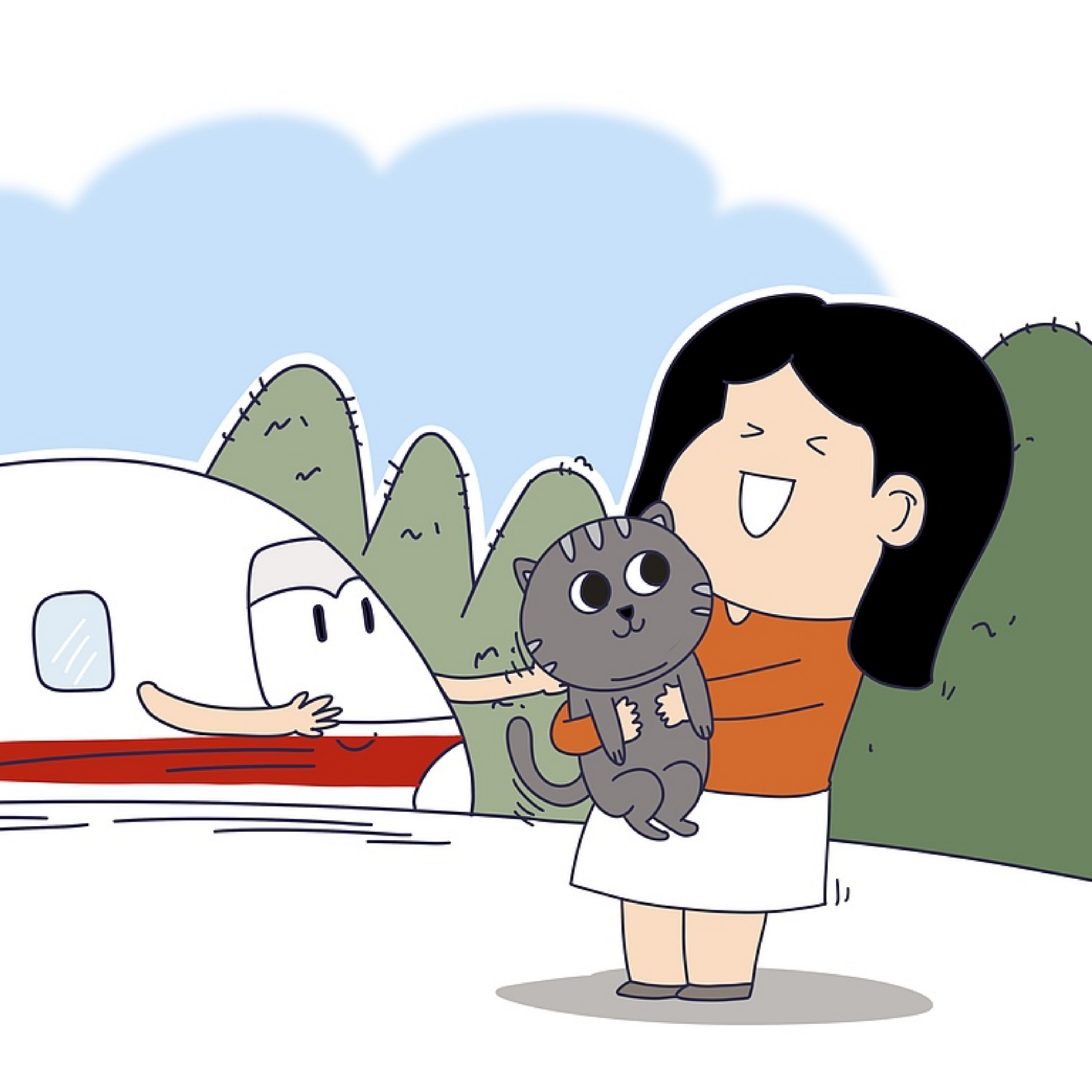
今年,中国高铁系统迎来了一类新乘客——会汪汪叫或喵喵叫的乘客。
This year, China's high speed rail system added a new kind of passenger, one that barks or purrs.
四月份启动的宠物托运试点项目已扩展至40个车站和50列列车,现在允许宠物独自旅行。
The country's pet consignment pilot launched in April has expanded to 40 stations and 50 trains, now allowing pets to travel on their own.
准备好为你的毛茸茸小伙伴规划一场精彩旅行了吗?
So are you ready to plan a great trip for your furry friend?
在每种文化中,正午时分都曾承载特殊意义,那是劳作与休憩之间的停顿。
And in every culture, the middle of the day once carried meaning, a pause between effort and renewal.
但在某个时刻,我们用这种停顿换取了效率。
But somewhere along the way, we traded that pause for productivity.
办公桌成了我们的餐桌,屏幕成了我们的伙伴。
The desk became our dining table, the screen our companion.
你是否也有如今年轻人所说的'悲伤办公桌午餐'?
Do you also have what kids today call sad desk lunch?
欢迎加入我们的讨论。
Join us for the discussion.
现在,中国宠物主人们迎来好消息。
But now, good news for China's pet owners.
你们的毛茸茸伙伴刚刚升级了出行体验。
Your furry friends just leveled up their travel game.
中国高铁宠物托运试点项目已正式扩展。
China's high speed real pet shipping pilot program has officially expanded.
自4月该服务试点运营启动以来,已有近5000名旅客尝试过这项新服务。
Since the pilot operation of the service was launched in April, nearly 5,000 travelers have tried this novel service.
目前该服务正在进行升级。
Now the service is also receiving some upgrades.
那么具体有哪些新变化呢?
So what exactly is new?
更重要的是,中国高铁现在是否已成为终极宠物出租车?
More importantly, is China's high speed rail now the ultimate pet taxi?
出租车?
Taxi?
你会放心让你最好的朋友独自开启他们的首次火车冒险之旅吗?
And would you trust your best friend on their own on their own to do their first solo train adventure?
是的。
Yeah.
中国国家铁路系统确实变得更加宠物友好。
China's national railway system has definitely become more pet friendly.
最近升级了高铁宠物托运服务,允许宠物在特定线路上旅行。
So recently, it has upgraded its high speed rail pet consignment service allowing pets to travel on specific routes.
现在当你登录12306官方购票平台时,部分线路列车会带有'宠物'字样的绿色标签。
So now when you go to this official +1 2306 online ticketing platform, there will be this green tag with the Chinese character which means pet on it on some of the routes train
线路。
routes.
所以如果
So if
我选择这些线路,就意味着可以携带宠物,甚至单独为宠物购票。
I choose those, it means I can carry my pet with me and even buy just a ticket for my pet.
是的。
Yeah.
你有两个选择。
You have two options.
他们推进得非常快,因为四月份刚启动时还只是试点。
And they've rolled this out pretty quickly because it was launched and it was a pilot back in April.
但当时只有5个车站和10趟列车在京沪线上运行,现在已经扩展到40个车站和50趟列车班次。
But at that time, there were only five stations and 10 trains along the it was along the Beijing Shanghai line, but now it's been increased to include 40 stations and 50 train trips in total.
热门线路仍然包括北京到上海、杭州、南京以及深圳这些地方。
Still, the the popular ones include the ones from Beijing to Shanghai and Hangzhou and Nanjing and those places, Shenzhen.
不过他们确实扩展得相当快。
But, yeah, they've expanded it quite quickly.
这让我想到两点。
So that tells me two things.
第一,他们具备这个能力;第二,市场需求确实存在。
Number one, that they had the ability to do it, and number two, that the demand was there.
既然能这么快扩展,说明肯定很受欢迎。
It must have been quite popular if they've expanded it so quickly.
比如如果我要给自己和宠物买票,在非宠物单独出行的线路上,我是要带着猫一起坐座位吗?
So if I purchase the ticket for me and my pet, for example, for those kind of trips that are not solo by the pet, am I taking my cat with me to my seat?
不在同一节车厢。
Not the same carriage.
对。
Yeah.
宠物会被安置在指定的货舱空间。
You The pets are stored in a designated cargo space.
所以你和你的宠物是分开的。
So you and your pet, you are going We're in separated.
是的。
Yeah.
但你们只是分开几个小时。
But you're separated for just a few hours.
好的。
Okay.
我能去看看它们吗?
Can I visit them?
我觉得不行,不过会有工作人员在那里照看你的宠物,他们大概每两小时会给宠物喂一次水。
I don't think so but there will be a staff that are there to look after your pets and they will give them water every two hours, I think.
是的。
Yes.
所以你不能去宠物箱那里打开箱子跟你的宠物互动
So you are not be able to go to the pet box and open the box and to interact with your
我觉得这很合理,因为我不想让陌生人在看他们自己宠物的时候也去探望我的猫。
I think it makes sense because I do not want strangers to go visit my cat when they're looking at theirs as well.
所以这某种程度上是合理的。
So it kind of makes sense.
它们又不是被放在头等舱的躺椅座位上。
It's not like they're put in a recliner seat in like first class or something.
可能是和其他动物一起关在笼子里。
Probably in a crate with the other with the other animals.
他们的定价方式是采用分层结构的分级系统。
And the the way that they break down the price is kind of a tiered structure in a tiered system.
首先,不论费用多少,都包含约2000元的基本保险,但价格层级本身会根据主人是否购买同列车票或宠物单独出行而有所不同。
Well, first of all, regardless of the fee, it includes a basic insurance of about 2,000 yuan, but the pricing tiers themselves are different differentiated based on whether the owner has a ticket for the same train or if the pet is traveling solo.
所以你甚至不需要在列车上。
So you don't even have to be on the train.
你可以单独托运你的宠物。
You can be sending your animal alone.
具体流程是这样的。
So here's how how it goes.
购买同一班次列车车票的旅客可享受特定折扣。
So the travelers who purchase a ticket for the same train receive a specific discount.
这是标准价格的30%折扣。
That's a 30% discount from the standard price.
价格区间大约在360元到860元之间。
There's a price range in there from about 360 yuan up to 860 yuan.
嗯。
Mhmm.
根据距离不同,大约是50到120美元。
And that's about 50 to a $120 depending on the distance.
但距离正是他们划分价格层级的依据。
But then the distance is how they is how they tier it.
1000公里以内,每只宠物收费360元。
So up to a thousand kilometers, the fee is 360 yuan per pet.
1000至1500公里,每只460元。
For 1,000 to 1,500 kilometers, it's 460 yuan per pet.
1500至2000公里是660元,超过2000公里则为860元。
1,500 to 2,000 kilometers is 660, and anything over 2,000, it's 860.
这样很合理。
So it makes sense.
距离越远,费用越高。
The further you go, the more you pay.
其实不算贵,我觉得只比人的二等座票价略高一点。
And it's not that bad because I think it's just a little bit slightly higher than a second class seat for a person.
这么说也有道理,因为它占用了空间。
So it kinda makes sense because it takes up the space.
要求人们至少每两小时就要去查看一次。
It requires people to visit them constantly every two hours at least.
指定的车厢和区域需要配备消毒剂。
And the designated carriage, the designated area requires disinfectant.
集装箱可以通风也可以清洁,我甚至不需要自带车厢。
The boxes where the container can be ventilated and also can be cleaned, and I do not even have to bring my own car carriage.
嗯,某种程度上还是需要的,因为到达火车站后我要带宠物去其他地方,但运输过程会提供一个指定容器,方便在旅途中照料和维护。
Well, I kinda still have to because I will take my pet to places from the train station after we arrive, but the transportation process would provide me with a designated container which is easier to be taken care of, to maintain in during the trip.
这意味着我可以带上我的猫和狗。停。
So that means I can take my cat, my dog Stop.
我的狮子
My lion
到此为止。
Stop there.
我的狮子 到此为止。
My lion Stop there.
你是认真的吗?
Are you serious?
猫和狗就打住吧,因为只允许家养的猫和狗。
Stop at cat and dog because only household domesticated cats and dogs are allowed.
所以如果你有蜥蜴,那恐怕就不走运了。
So if you have a lizard, I guess, you're out of luck.
狮子,我从没听说有人养过。
A lion, I've never heard of anyone have it.
不行。
No.
那不是真的。
That's not true.
我之前听说过这个。
I have heard of that before.
狮子?
Lion?
我在开玩笑。
I was kidding.
认真的吗?
Seriously?
但是没有狮子。
But no no lion.
还有更多规定呢。
There's all there's more rules too.
单只宠物体重不得超过十五公斤。
The single pet weight must not exceed fifteen kilograms.
啊。
Aw.
不是我那只最胖的猫。
Not my fattest cat.
它超过十五公斤了吗?
The is it over fifteen kilograms?
可能没有。
Maybe no.
我觉得你养的是狮子。
I think you live with a lion.
宠物肩高不得超过40厘米,所以他们会测量那些体型巨大的狗。
The pet's shoulder height must not exceed 40 centimeters, so they'll measure huge, huge dogs.
此外,你还必须持有有效的动物检疫资格证书,这也是必需的。
And then you have to have a valid animal quarantine qualification certificate that is also required.
哦,那很好。
Oh, that's good.
因为所有被运输或正在享受旅程的宠物都在一起,所以你要确保它们都是健康的。
So that because all of the pets being shipped or enjoying the trip are together, so you wanna make sure that they are healthy.
嗯。
Mhmm.
而且过去你只能带一只宠物上火车。
And also, in the past, you can only bring one of your pet on the train.
但现在如果你带着宠物旅行,最多可以携带两只宠物。
But nowadays, if you are traveling with your pet, then you can carry up to two pets with you.
但如果你的宠物是单独旅行,那就只能带一只。
But if your pet is going solo travel, then it has to be just one pet.
过去你必须提前两天订票。
And in the past, you have to order this ticket two days in advance.
但现在如果你在中午12点前下单,就可以购买第二天的票。
But nowadays, if you are placing the order before 12PM, then you can just buy the ticket for the next day.
这样时间安排就更灵活了。
So it's closer time arrangement for you.
提前一天。
One day in advance.
是的。
Yeah.
对于单独旅行的宠物,实际上接宠人可以根据短信或电话号码领取宠物,他们会到指定地点接收并迎接宠物到达目的地。
And for the pets that are going solo, actually, those who are at their arrival can get the pet based on a text message or a telephone number, and they go to designated places to receive and to welcome their pet into, you know, the destination.
是的。
Yeah.
我在想,这不是为了度假的目的。
I'm thinking well, this isn't for vacation purposes.
对吧?
Right?
没人会,你知道的,把他们的狗送去度假几天。
Nobody's, you know, sending their dog on a holiday for a few days.
我在想这对领养服务可能真的很有用。
This I'm thinking this might be really useful for adoption services.
对吧?
Right?
如果你从北京地区领养了一只猫或狗,但你住在,比如说深圳,那么你怎么把宠物带到那边去呢?
If you adopt cat or a dog from the Beijing area, but you live in, I don't know, Shenzhen, for example, well, then how do you get that pet down there?
所以这某种程度上扩大了市场。
So it just kind of broadens that market.
这是我能想到的一个例子。
That's the one that's the example that came to mind for me.
还有对于那些搬家的人,他们要搬到另一个城市,想带上宠物。
And also for those who are moving, they're relocating to a different city, they want to take their pet.
以前唯一的办法就是开车,不管多远。嗯。
Previously, the only option is to drive no matter how far away Mhmm.
你可以带着宠物开车。
You can drive with your pet.
但现在这项服务也对那些人开放了。
But now, the service is open to those people as well.
那么人们对这项新政策反应如何?
So how are people reacting to this new policy?
因为我记得最开始我们讨论让宠物上火车时,很多人抱怨,因为他们和我最初想的一样,以为宠物会和人一起上车。
Because I remember in the very beginning when we started talking about bringing your pet onto the train, a lot of people were complaining because they thought, as I thought initially, that the pet would go along with the person.
他们之前还在担心,哎呀,要是我对宠物猫毛过敏怎么办?
And they were worrying about, oh, what if I'm allergic to pet to cat hair?
要是它们在车厢里一直叫唤或咕噜咕噜怎么办?
What if they bark or purr all the time in the carriage?
但现在这个担忧已经消除了。
But that that worry has been removed.
对于宠物主人来说,我们当然欢迎这项服务。
And for pet owners, of course, we welcome the service.
世事难料。
You never know.
未雨绸缪嘛。
Save it for a rainy day.
说不定哪天你就需要带猫咪去旅行呢。
Maybe you need to take your cat to travel.
目前总体反馈相当积极,人们都在谈论它的便利性。
Overall feedback has been pretty positive thus far, and people talk about its convenience.
但便利性是个相对概念。
But, you know, convenience is a relative term.
有些人可能觉得非常方便,但也有人觉得太过复杂——目前看来主要就这两类观点。
Some people might see this as being really convenient, but some people might see it as being something that's too complex, and that seems to be the two groups.
并非所有反馈都是完全正面的。
Not all of the feedback is entirely positive.
网上有条评论说:太麻烦了。
There was one comment online that said, too troublesome.
什么?
What?
我觉得对于
I think for
第一次不行
a first time No.
那就是结束
That was the end
那就是评论的结束
of that was the end of the comment.
有什么麻烦吗?
What was troublesome?
是啊,我
Yeah, I
我认为对于首次使用者来说,当你第一次带着宠物乘坐火车时,可能会有点麻烦,比如如何购票、如何拨打电话,以及如何向工作人员提供所有材料。
think for first time users, when you bring carrier pad on this first train trip, then it can be a little bit troublesome for you to, you know, how to purchase the ticket, how to dial the number, and then how to to provide all of these materials to the certain staff.
旅程可能会很麻烦,但我读过一份报告,北京的一位宠物主人带着宠物去天津旅行,他的经历相当顺利。
The trip can be troublesome but I have read one of these reports, a pet owner from Beijing, he traveled with his pet to Tianjin and he had a quite smooth travel experience.
我也这么认为,对首次使用者来说可能会有点麻烦。
I think so, for first time users, it can be a little bit troublesome.
当然,因为你得弄清楚如何正确处理。
Of course, because you have to figure out how to do it properly.
你必须
You have to
一旦你搞明白如何完成
figure Once you get how to get it done.
是啊
Yeah.
然后你就知道了
Then then you know.
是的
Yes.
之后每次操作都会变得非常简单,你会保存所有号码,知道在应用上该去哪里、该点击哪些按钮等等。
And then each time you do it after that, it's going to be really easy, and you'll have all the numbers saved, you'll know where to go on the app and what buttons to click and things like that.
所以人们就是被宠坏了。
So people are just spoiled.
对吧?
Right?
对于那些担心宠物独自旅行的朋友们,过去几个月试点期间,超过四五千名预订该服务的乘客,他们的宠物都完好无损,旅行后非常健康。
And for those of you who worry a little bit about your pet traveling solo, over the past several months, over the pilot period, for more than four or 5,000 passengers who booked the service, Their pets were all intact, very healthy after the trip.
完好无损。
Intact.
我只是想确认一下,因为
I just wanna make sure that because
抱歉。
Pardon me.
我家猫的胳膊和身体分家了。
My cat's arm is dislodged from the rest of its body.
完好无损。
Intact.
它们健康快乐,得到了很好的照顾。
They're healthy, and they're happy, and they're being taken care of.
所以,我认为这是一项合理的服务。
So, well, I think it's a legitimate service.
说不定哪天我会试试。
I might try someday.
您正在收听的是《圆桌论坛》。
And you're listening to Roundtable.
接下来要讨论的是:办公室里的工位午餐对你来说是件可悲的事吗?
Coming up next is desk lunch in the office a sad thing to you?
别走开。
Don't go away.
寻找激情?
Looking for passion?
来场激烈的辩论如何?
How about fiery debate?
想听听关于中国时事的多元观点吗?
Wanna hear about current events in China from different perspectives?
那就锁定《圆桌议事》,在这里东西方相遇,理解是最终目标。
Then tune in to Roundtable, where east meets west and understanding is the goal.
这里是《圆桌议事》,我是牛鸿林,还有史蒂夫·哈瑟利和邢雨。
It's roundtable with myself, Niu Hong Lin, Steve Hatherley, and Xing Yu.
这个场景对现代职场人再熟悉不过:匆忙准备的家当便当或外卖塑料盒,一手扒饭一手刷邮件。
The image is familiar to almost everyone working today, a hastily prepared lunchbox from home or a plastic container from some local order out joint, eaten with one hand while the others grows through emails.
这就是所谓的'悲伤工位午餐',它已从个人选择演变为一种文化常态。
It's what many call a sad desk lunch, and it's become less of a choice and more of a cultural expectation.
午间休息——这个原本用于休整社交的重要仪式,已在西方职场逐渐消失。这种转变不仅影响腰围,更危及认知健康、工作效率和整体幸福感。
The midday break, once a scarce ritual for well, a secret ritual for restoration and socialization has largely disappeared from the Western lunch break, and the shift is deeply concerning, just for our waistline, but also for our cognitive health, our productivity and our overall well-being.
我们的午餐时间究竟怎么了?
So what is happening to our lunchtime?
首先我要说明,这是西方视角的现象。
Well, first of all, I wanna stipulate that this is from a Western point of view.
对吧?
Right?
那种悲伤的工位午餐
That the sad desk lunch
这正是我最初的问题。
That's my question initially.
我们可能会遇到一些文化差异,不过这个稍后再谈。
We might encounter a bit of a culture culture difference here, but we'll talk about that in just a sec.
首先,来看一些统计数据。
First, some statistics for you.
不到一半的美国上班族会享用完整的午餐时间。
Less than half of employed Americans take a full hour of lunch.
调查显示,40%的美国上班族表示他们很少或从不正经吃午餐,这说明大多数人要么压缩午餐时间,要么干脆不吃。
They did some surveys, and they found that 40% of employed US workers say that they rarely or never take a proper lunch break, and that indicates that the majority are either compressing the lunch break, making it shorter, or just skipping it altogether.
这意味着下午的工作开始时缺乏必要的心理重置。
And that means that the afternoon starts without kind of a a proper mental reset.
超过半数(约一半)的人会在午餐时间处理工作事务,比如回消息、查邮件或接电话——就像你说的,一手拿三明治,另一只手刷手机,这显然不是真正的休息。
More than half, roughly half spend their lunch break doing work related activities like answering messages or checking emails or taking calls like you said, sandwich in one hand, scrolling with the other hand, and that shows that it's not really a true, break.
《纽约邮报》等媒体也报道过这个现象,他们分析了这些统计数据并发表了看法。
This was come this was written about in the New York Post and other media outlets as well, where they're they're having a look at some of these statistics and seeing how they feel.
最后再补充一点。
Just one last little bit for you here.
约三分之一的员工表示在午休时会感到愧疚,这表明职场文化已经异化到让你觉得享受应得的休息时间像是在惩罚自己。
About one third of employees reported feeling guilty when they took their lunch break, and this suggests that work culture has changed where you feel like you're punishing yourself for taking an entitled break.
我们之前讨论过类似话题,不过在圆桌会议上聊的是休假或调休。
And we talked about this before, but when we talked about it before on Roundtable, we were talking about holidays or days off.
我们在讨论休假。
We're taking days off.
但这次讨论得更具体。
But this is this is much more specific.
这次专门说的是午餐休息。
This is talking about the Lunch break.
特指午休。
Break specifically.
我之前不知道美国人这么勤奋。
I didn't know Americans are so hardworking.
但根据最近的调查,确实是这样显示的。
But based on the recent surveys, it really says that.
但我觉得中国没有这种文化,因为很多中国公司都设有自己的食堂。
But I don't think we have such a kind of culture in China because I think many Chinese companies, they have their own like canteens provided the company.
所以午餐时间,员工们就直接去食堂吃饭。
So during lunchtime, workers just go to to have their lunch at the canteen.
基于我在中国长达15个月的经历,我不同意你的观点。
I am going to disagree with you based upon my vast fifteen months in China.
我经常看到这种现象。
I see it all the time.
我总看到人们在工位上吃午餐。
I see people eating lunch at their desk all the time.
哦。
Oh.
但当我说的文化差异时——再次声明这只是我有限的观察——这种文化差异在于,我没看到有人对此感到不满。
But the difference when I said culture difference, and and again, it's just what I've seen in on a limited basis, but the culture difference I think is that I don't see anybody feeling bad about that.
是啊。
Yeah.
这些报道总在说'这太可悲了'。
These these stories are saying like, oh, this is tragic.
美国员工在工位上吃午餐。
American workers are eating lunch at their desk.
在我们公司就经常看到这种情况,大家似乎很乐意这么做,是他们主动选择的。
I see it all the time here within our company, and people seem to be quite happy to do so, and they choose to do it.
关键就在这里。
And that's the thing.
我认为这与情境、选择和个人偏好有很大关系。
I think it has a lot to do with the situation, with choices, with personal preferences.
首先,正如新语所说,这取决于这家公司是否提供容器。
To start with, like Xinyu said, it depends on whether or not this company has a contain.
当你说中国有很多公司都有时,我不认为这是大多数,但确实存在这类公司会提供容器以便你能带走食物。
When you say many many company in China has, I don't think it's the majority, but, yes, there are the kind of companies who would provide a contain so you can go.
还有那些真正靠近商业圈或商业购物中心和区域的公司的员工会去商场吃午餐。
And also the companies that are really near commercial circles or commercial shopping malls and areas so that employees would go to the shopping mall to have lunch.
在这种情况下,你不会看到很多人在办公桌前吃午餐。
And that's the kind of situation where you do not see many people having their lunch at their desk.
但人们选择这样做是因为他们不喜欢今天食堂提供的食物。
But people do it by choice in the sense that they do not like what's provided in the kunting today.
有些人喜欢自带食物或从家里带菜,因为他们有特殊饮食需求,自带食物更健康,有助于减肥,还能利用午餐时间在办公室走动休息。
Some of them would like to bring food or bring dish from their home because they're on a special diet, and they can bring food so it's healthier, so they can lose some weight, so they can have a bit more time walking around the office, taking a walking break during their lunch break.
还有一种情况是有人想点些不一样的餐食,这也与公司是否有午休政策相关。
And also there's the situation of people who wanted to, you know, order for something a little bit different because and also it has something to do with whether or not the company has a lunch break policy.
因为严格来说,有些公司会规定你有一小时或一个半小时的午休时间。
Because technically speaking, some companies would say you have an hour or an hour a one and a half hour of lunch break.
无论你是吃午餐、离开办公室还是做自己的事,都是你的选择。
And whether or not you have lunch or you leave the office or you do your own things, it's your choice.
这是属于你的时间。
It's your time.
这件事很重要,因为我在浏览网页时发现,曾有新闻报道某些公司要求员工必须在工位用餐而被起诉。
And it's something significant because when I was browsing the Internet, I realized that there has been have been several news stories about certain companies saying that their employee would have to have lunch at their desk, and the companies were sued.
这是真实新闻事件。
It's a news story.
所以再次说明,即使在中国,完全剥夺员工午休时间也是不可接受的行为。
So it is, again, also considered something unacceptable if your lunch break is being deprived completely, even in China.
嗯,我想这确实有弊端,无论你是否选择这样做。
Well, there are downsides to it, I guess, whether you're choosing to do so or not.
当你在办公桌前用餐,同时浏览工作邮件时,专家认为你实际上是在压力下进食,嗯。
When you are eating at your desk and you're scrolling through work emails and things like experts suggest that you are eating under stress Mhmm.
这可能会扰乱你的消化系统。
And that could disrupt your digestive system.
此外,当你没有真正休息时,会产生所谓的'注意力残留'现象——早晨工作的思绪挥之不去,阻碍信息被完全清理和整合。于是你紧抓着上午的信息,将其与下午的信息混杂,降低了下午有效处理新信息的能力。
Also, when you don't have that true break, it creates something called attention residue, and that happens when thoughts related to the morning's tasks linger in your mind and it prevents them from being fully cleared and consolidated in terms of information, so you're hanging on to your morning information, combining it together with your afternoon information, and it reduces your capacity to process new information in the afternoon effectively.
他们还指出这是错失的心理处理机会。
They also say that it's a missed opportunity for mental processing.
他们还说这对社交层面的自我发展不利——抱歉,应该说'不够理想'。
They also say that it's just better or not as good, excuse me, for your social self.
要知道,离开工位吃午饭通常意味着与他人共进午餐交流,而你正在错过这种机会。
You know, stepping away from your desk to have lunch often means that you'll go out and eat with other people and have a chat with other people, and you're missing out on that opportunity too.
我也看过报道说,如果你的工作需要创造性思维,可能比那些整天处理固定文书流程的人更需要午间暂停。
I've also read reports saying that if your work requires creative thinking, you might even need a pause in the middle of the day a bit more than those who are working, for example, for the entire day, they have assigned themselves that paperwork or the kind of process that does not require that much of a creative thinking.
但难道就完全没有好处吗?
But is there any any benefit at all?
在办公桌、办公室或工作场所用餐?
Eating at your desk, in the office, or in a workplace?
工作时间更长。
Work longer.
噢。
Aw.
是啊。
Yeah.
还是有可取之处的。
There are silver linings.
你可以提前开始下午的工作。
You get a you get a jump start on your afternoon.
对吧?
Right?
如果你想的话,可以稍微提前处理那些邮件。
You can get ahead of those emails a little bit if you want to.
如果你不介意的话,这能让你的工作日效率更高些,而且尽可能把上午和下午的工作结合起来,也许你需要这段时间真正完成上午的工作,然后再开始下午的工作。
It can help create a little bit more efficiency in your day if you don't mind, and and as much as it can combine the mornings work with the afternoons work, maybe you need that time to really finish your morning work before you get a a start on your afternoon.
或者如果你愿意边吃午饭边处理些工作,这样或许也能让你下午不那么忙碌。
Or if you're okay with eating your lunch and doing a little bit of work, that will create a a less busy afternoon for you perhaps as well.
但实际上,我试过那样做。
But actually, I I have tried that.
我是说,我在食堂吃完午饭后就直接回到工位开始工作。
I mean, I had lunch in the canteen and then I came back straight to my desk and I started working.
所以我确实工作了更长时间,但感觉下午会更快疲惫。
So I did work work longer but I feel like in the afternoon, I feel exhausted quicker than
啊,是的。
Ah, yes.
是啊,通常是这样。
Yeah, normal times.
这很文化差异。
It's quite cultural.
他们说研究发现北美和英国文化将午餐时间视为可支配的个人时间,因为在美国和英国,午餐时间被认为是属于雇主的时间。
They they they say they found this from research that North American and UK culture, it views lunchtime as a disposable personal time because in The US and The UK, it's considered your lunch hour is considered time belonging to the employer.
员工们大致都是这么认为的。
That's how the employees kind of see it.
但如果你看看其他强制规定午休或休息时间的国家,比如法国、西班牙和巴西,他们有悠久的劳动法或至少强大的文化传统要求休息时间,有时这些休息包括午睡,这是个不错的长时间休息,而在韩国——这是欧洲的情况,至于韩国,我看到过几年前的一项调查结果。
But if you look at other countries where they enforce your lunch break or your break in general, like France and Spain and Brazil, they have long standing labor laws or at least strong cultural traditions that mandate a break, and sometimes those breaks include a nap, siesta, which is a nice long break, whereas in Korea so that's in Europe, and in Korea, I saw a survey result from a couple of years ago.
在韩国文化中,人们经常和同事一起吃午饭。
In Korean culture, you often go to eat lunch with your coworkers.
对吧?
Right?
这已经成为办公室文化中约定俗成的一部分。
It's just kind of an accepted part of office culture.
2023年的一项调查发现,其实没人喜欢和同事共进午餐——尽管这是文化传统,但大家内心都在说'我才不愿意'。
They did a survey in 2023, and they found that nobody likes eating lunch with their coworkers, Which is it's part of the culture, but everybody's like, I don't want to be Yes.
我愿意。
I do.
是啊。
Yeah.
作为一个山西人——众所周知我们以午睡时间长著称(我完全认同这个刻板印象),
And from someone's point of view, someone from Shanxi province who has the stereotype of having really long nap during daytime, I which I fully support that stereotype.
我发现适当休息确实能让下午的工作状态更好。
I find that sometimes taking a break definitely would help me process my afternoon a bit better.
除非允许我提前一小时下班,那我倒愿意牺牲午休时间工作。
Unless I'm allowed to, you know, leave work one hour in advance, then I'd be happy to work my lunch hour.
今天的圆桌讨论就到这里。
And that brings us to the end of today's roundtable.
我们很想听听您对今天话题的看法。
We'd love to hear your thoughts on today's topics.
欢迎留言或发送邮件至roundtablepodcast@qq.com。
Leave us a comment or send us an email to roundtablepodcast@qq.com.
下期再见,愿交流不息,灵感不断。
Until next time, keep the conversations going and the ideas flowing.
我是林悠悠,与Steve和新怡共同主持。
I'm Yoho Lin with Steve and Xinyi.
感谢你的聆听。
Thank you for listening.
再见。
Bye bye.
关于 Bayt 播客
Bayt 提供中文+原文双语音频和字幕,帮助你打破语言障碍,轻松听懂全球优质播客。