本集简介
双语字幕
仅展示文本字幕,不包含中文音频;想边听边看,请使用 Bayt 播客 App。
讨论让世界运转不息。
Discussion keeps the world turning.
这里是圆桌论坛。
This is Roundtable.
大家好。
Hello.
欢迎来到圆桌论坛,我们将为您带来中国及全球热点议题的激烈辩论。
Welcome to Roundtable, where we serve our piping hot debates on the issues that sizzle in China and beyond.
我是叶浩林。
I'm Yeoho Lin.
全球城市正被自身产生的垃圾所淹没。
Around the world, cities are drowning in what they throw away.
垃圾填埋场不堪重负,海洋被塑料堵塞,而现代消费的速度仍在不断加快。
Landfills spill over, oceans choke with plastics, and the pace of modern consumption keeps accelerating.
这就是为什么中国一直在尝试不同的方案,重新设计整座城市,围绕'废弃物应在成为负担前就被减量、再利用和重新利用'这一核心理念。
That's why China has been experimenting with something different, redesigning entire cities around the principle that waste should be minimized, reused, and repurposed long before it becomes a burden.
从农业秸秆转化为新产品到垃圾分类系统重塑日常习惯,零废弃城市的推进正从项目变为重新定义城市生活的现实。
From agricultural straw turned into new products to waste sorting systems reshaping everyday habits, the zero waste city push is moving from a project to a reality redefining urban life.
今天,我们将探讨这一转型已取得的进展,以及它对可持续生活未来的启示。
Today, we're looking at how far this transformation has come and what it tells us about the future of living sustainably.
本期节目,我们邀请到了余申和史蒂夫·哈瑟利加入讨论。
For this episode, I'm joined by Yu Shen and Steve Hatherley.
现在拿起你的虚拟指南针,跟随我们深入探讨的核心。
Now grab your virtual compass and follow us to the heart of the discussion.
如果你曾盯着溢出的垃圾桶,疑惑家里一周怎么产生这么多垃圾袋,欢迎加入这个俱乐部。
If you have ever stared at an overflowing trash bin and wondered how your home produces so many bags in a single week, welcome to the club.
现代生活不断制造着无尽的包装、剩菜、外卖盒和收据。
Modern life is a generator of endless packaging, leftovers, takeout boxes, and receipts.
但中国一些城市正在提出一个激进的问题。
But some cities in China are asking a radical question.
如果我们重新设计整个系统,让垃圾几乎不存在会怎样?
What if we redesigned the entire system so that waste barely exists?
生态环境部刚刚发布了覆盖109个中心城市的雄心勃勃的'无废城市'建设进展报告。
The Ministry of Ecology and Environment just dropped a progress report on its ambitious Zero Waste City initiative covering 109 urban centers.
那么如何将一个宏大的城市蓝图转化为切实可行、宜居的无废现实呢?
So how do you transform a massive urban blueprint into a tangible, livable, zero waste reality?
在个人往往力不从心的领域,城市能否取得成功?
Can cities succeed where individuals often struggle?
让我们来探讨这个话题,首先从'无废城市'这个概念说起。
So let's talk about this, and let's start with the concept, zero waste city.
如果我住在无废城市,还能扔垃圾吗?
Am I allowed to throw trash out if I live in a zero waste city?
当然可以,因为
Of course, you do because
谢谢。
Thank you.
嗯。
Yeah.
因为零废弃城市这个概念并不意味着城市完全不产生废弃物,因为这基本上是不可能的。
Because this concept of a zero waste city does not signify that the city generates no waste at all because that's basically impossible.
也不意味着固体废弃物能够被完全利用。
Nor does it mean that solid waste can be fully utilized.
相反,它本质上是一种循环型城市发展理念,零废弃城市指的是以减少固体废弃物产生、促进其回收利用、最小化填埋处理为核心,同时通过推动绿色发展和绿色生活方式来降低这些固体废弃物对环境影响的城乡发展与管理模式。
Instead, it is fundamentally a cyclical urban development concept, and a zero waste city refers to an urban development and management model focused on reducing the generation of solid waste, promoting its recycling, minimizing landfill, and also reducing the environmental impact of these solid waste through the promotion of green development and also green lifestyles.
是啊。
Yeah.
这有点用词不当,对吧?
It's kind of a misnomer, isn't it?
零废弃城市。
Zero waste city.
这让人以为,哦,是完全没有任何废弃物。
It makes people think, oh, well, there's zero waste at all.
对吧?
Right?
不。
No.
是的。
Yeah.
这完全不是事实。
It's it's not the case at all.
但你立刻提出了一个有趣的观点,Niu Hong Lim,当你问:当个人在这方面都如此挣扎时,城市怎么可能实现零废物?
But you bring up an interesting point right away there, Niu Hong Lim, when you say, is it possible for a city to be zero waste when individuals struggle so much with it?
我认为我们将要讨论的是,你知道,两者之间可以有什么联系,以及一方如何帮助另一方。
And I think we're gonna talk about, you know, what the connection can be there, how one can help the other.
但零废物的整体概念是从源头减少固体废物的数量,而这个源头确实可以是个人,但也可以更进一步。
But the overall concept of zero waste is to, reduce the amount of solid waste from the source, and that source can indeed be individuals, but it can go further than that.
它也可以延伸到企业。
It can go to companies as well.
它可以一直延伸到包装环节。
It can go right down to the packaging.
当产品进入包装环节时,我们如何从源头消除这个问题,避免其日后成为隐患?
When the product goes into the package, how can we eliminate that so that problem so it doesn't become a problem later on?
是的。
Yes.
中国长期以来一直在推进建设符合这一目标的城市,倡导这种新的城市生活方式。
And China has been working on promoting the goal on constructing cities to that to that end, lifestyle, to that new way of living an urban life for a really long time.
实际上,我记得这个概念是在2017年提出的。
Indeed, actually, well, as I remembered, the concept took place in 2017.
我的意思是,这个概念是由一个委员会提出的,他们认为通过分类和再利用,有可能减少这类废弃物。
I mean, the concept was brought about by a commission, and they say that having the there is the possibility of reducing the kind of waste by sorting them, by reuse them.
这就是减量部分,当然还有再利用部分。
That is the reducing part, and, of course, the reuse part.
甚至有人建议将雄安新区打造成零废弃示范区的旗舰项目,这一提议得到了国家领导人和全国各地的高度重视。
And even there has been the recommendation of building Xiong'an new area into a flagship zero waste zone, and it received a very high level attention from nation national leaders and around the country.
正因如此,2018年我们启动了建设零废弃城市的工作计划。
And that's why in 2018, we started the idea or the work plan was launched to promote the building of zero waste cities.
从那时起,我们也取得了一些里程碑式的进展。
And from there, we also took there also have been some milestones.
实际上,首先正如你所说,中国在2018年启动了这项工作规划。
Actually, first of all, as you said, launched China launched this work plan in 2018.
然后在2019年,选出了11个城市和5个区域试点这些无废城市建设,包括深圳、重庆主城区、海南三亚、你提到的雄安新区,还有中新天津生态城。
And then in 2019, 11 cities and five areas were selected to pilot these waste free programs, including Shenzhen, and Downtown Chongqing, Sanya in Hainan, the Xiong'an new area, you mentioned it, and also the China Singapore Tianjin eco city.
这是天津市的一个项目。
It is a project in the city of Tianjin.
它是天津的一部分。
It it's one part of Tianjin.
对。
Yes.
对吧?
Right?
是的。
Yeah.
此外,在2022年,生态环境部公布了一份名单,包含全国约100个城市,用于在五年期间内开展'无废城市'建设。
And also then, in 2022, the Ministry of Ecology and Environment announced a list that included about 100 cities nationwide for the development of waste free cities during that five year period.
而到了2025年,生态环境部近期对109个地级市的'无废城市'建设进展进行了全面评估,该评估涵盖了建设进度、固体废物产生量和强度的变化,以及在关键领域取得的成效。
And now in 2025, the Ministry of Ecology and Environment recently introduced a comprehensive evaluation of 109 prefecture level cities progressing with zero waste city construction and the evaluation assessed construction progress, changes in solid waste generation, intensity, and also achievements in key areas.
我们可以看到的是,整个项目阶段是从建设初期到接近完成的阶段。
And what we can see is that on the whole phase of this project is from constructing one into the almost completion phase.
在我们深入探讨各项指标和具体指数之前,先明确一下什么是固体废物。
Before we jump into the details of different metrics, different index, exactly what is solid waste.
对
Yeah.
因为我也有点疑惑。
Because I had I was wondering too.
我是说,这某种程度上讲得通。
I mean, it kind of makes sense.
从某种角度看它不言自明,但从另一个角度,我不太确定它的确切含义。
It's self explanatory in in a way, but in another way, I didn't quite know what it meant.
所以你可以从几个不同角度来理解,其中一种就是日常垃圾堆,这类似于你家里的垃圾,比如丢弃的包装、塑料膜、纸盒、瓶子这些。
So you can think of it in some different ways, and one of those ways is the everyday pile, and this would be kind of like your trash at home, like the packaging that you throw away, the plastic wrap, the boxes, the bottles.
如果你有孩子的话,可能还包括坏掉的玩具、旧衣服、穿破的鞋子,再加上塑料袋、牛奶盒和报纸之类的东西——如果你还在看实体报纸的话。
And then maybe if you've got kids, maybe the broken toys, old clothes, worn out shoes, plus your plastic bags, your milk cartons, and newspapers, things like that, if you still do read hands on newspaper.
然后还有建筑垃圾堆。
Then you've got the construction pile too.
这类垃圾包括破碎的混凝土、砖块、木材边角料、石膏板、电线等,以及工业废料堆,比如废金属、化学副产品这类东西。
This would be like broken concrete, bricks, lumber scraps, drywall, wiring, and then the industrial pile, which would be scrap metal, chemical byproducts, and things of that nature.
这就是为什么我想花点时间先明确一下我们讨论的内容,因为这样能更清楚地理解为何实现零废弃城市的目标如此困难——我们不仅仅是在讨论从家里扔掉的塑料。
So that's why I wanted to take a second and just kind of define what it is we're talking about because it makes it a little bit more clear as to why it's so difficult to achieve the goal of a zero waste city because we're not simply talking about the plastics that we throw away from our home.
我们讨论的是建筑材料、副产品、化学副产品,这是一个非常具有挑战性和雄心的目标。
We're talking about construction materials, byproducts, chemical byproducts, and it's a very, very challenging and ambitious goal.
嗯。
Mhmm.
根据这一点,我们现在对不同类型的填埋场或所讨论的固体废弃物有了更好的理解。
And according to that or based on that, now we have a better understanding about different types of landfill or the solid waste we're talking about.
我们应当提到,我们在推进这些倡议方面相对成功。
And we should mention we've we are relatively successful in the pushing of these initiatives.
可以说,72个城市展现出较为显著的进展,但仍需持续深化努力,而37个城市在建设无废城市方面取得了重大成就。
And many were, let's say, 72 cities showed relatively strong progress but require continued deepening of efforts while 37 cities demonstrated significant achievements in the construction of zero waste cities.
基于什么标准?
On what ground?
是的。
Yeah.
实际上,在105个被评估城市的109个城市中,工业固体废物产生强度较2023年下降了5.3%。
Actually, within the 109 cities in 105 evaluated cities, the intensity of industrial solid waste generation dropped by 5.3% compared to twenty twenty three.
另一项数据涉及71个农业城市。
And another data is 71 city involving agriculture.
农作物秸秆综合利用率超过95%,因为这在农业生产中可能成为另一个大问题——每年都会产生大量秸秆作物。
The comprehensive utilization rate of crop straw surpassed 95%, because that's can that can be another big issue when we are doing agriculture because every year, there's gonna be a lot of that straw crop and Yeah.
这些都是剩余物。
It's the leftovers.
对吧?
Right?
是的。
Yeah.
嗯。
Mhmm.
此外,有91个城市实现了行政村生活垃圾100%收运,其中91个还建立了建筑垃圾信息化监管平台。
And then 91 cities achieved 100% collection of trend and transportation of domestic waste in administrative villages, and 91 of them established informational supervision platforms for construction waste.
而且这109个城市的危险废物填埋处置量较2023年下降了4.5%。
And the volume of hazardous waste disposed of in landfills decreased by 4.5% compared to to twenty twenty three in the 109 cities.
这其实很有意思,因为关于'无废城市'建设或建成进度还有其他指标。
This is actually very interesting because there are other indicators when it comes to the construction or the percentage of completion of the construction of zero waste cities.
除了雨顺提到的,还有一套三级指标体系。
On top of what Yushun said, there's another system, a three tier indicator system.
我们提到过这个体系分为三个层级。
There are we mentioned three tiers.
顶层包含五个主要指标,不仅涵盖固体废物的源头减量、资源化利用、最终处置,还包括能力建设和公众满意度。
In the top level are five primary indicators that include not only source reduction of solid waste, resource utilization, final disposal, capacity building, and public satisfaction.
所以雨舒提到的指标更像是领域或行业分类,或者说这些不同处理方式的来源。
So the indicators or the metrics Yushu mentioned are more like the area or the industries or where do these different types of ways are from.
而我目前解释的这些指标,更像是从城市整体规划和管理的不同侧面来考量。
But the ones that I'm explaining currently is more like different side of the overall arrangement and the overall management of the cities.
嗯。
Yeah.
这只是衡量成功程度的不同方式。
It's just a different way of gauging the level of success.
没错。
Exactly.
因此我们正从不同角度和视角来看待这个问题,确保我们既走在建设无废城市的道路上,又兼顾传统领域。
So we are looking at the problem from different angles and different perspectives and trying to make sure that, one, we are walking on or walking on the path of building a zero waste city, we are looking at old grounds.
我们力求全面覆盖,正在采取多项措施推动城市实现零废弃目标。
We're being as comprehensive as possible, and we are doing a lot of things to make our cities zero waste.
这真的有必要吗?
Is that really necessary?
它真的有那么重要吗?
How is it really that important?
嗯,这不仅仅是一个城市的问题。
Well, it's not just one city's problem.
也不仅仅是一个国家的问题。
It's not just one country's problem.
这是一个影响地球上每个人的普遍环境问题,随着经济持续现代化和发展,垃圾的数量和——抱歉——复杂性也在增加。
It's a universal environmental issue that affects every single person on the planet, and as economies continue to modernize and grow, well then the volume and also the com pardon me, the complexity of the waste, they're increasing as well.
如果这些废物管理不善,可能会造成相当严重的后果。
So if those wastes are poorly managed, you can have some pretty serious consequences.
在全球范围内,可能会导致海洋污染或排水系统堵塞引发洪水。
On a global scale, you could be talking about the contamination of the oceans or clogging drains that would cause flooding.
疾病传播虽然是最极端的情况,但也是潜在的威胁。
Transmission of diseases would be on the extreme end, but also a potential problem here.
人们的呼吸问题,这主要来自空气中的颗粒物。
Respiratory issues for people, that would be from airborne particles.
所以,糟糕的废物管理会引发大量严重问题。
So lots and lots and lots of huge problems could come from from poor waste management.
因为想想看,如果一个国家拥有许多城市,2比如中国,而且这个国家还在通过各类建设项目不断发展和扩张,那么想想看会产生多少垃圾。
Because think about it, you know, if you have a country that has a lot of cities such as China, and if you have a country that continues to grow and expand such as China through all of these construction projects, well, think about the amount of waste that that would generate.
所以我们必须以负责任的方式来处理,避免遇到我刚才提到的那些问题。
So you have to do it in you have to take care of that in a responsible way so that we don't run into that list of problems that I just mentioned.
这些问题清单就是总体情况。
The list of problems are the overall picture.
我记得一个具体案例。
And I remember one specific case.
大概是2005年,印度尼西亚的一个垃圾填埋场。
I think it's in 2005, Indonesia, and there was this landfill.
当我们说垃圾填埋场时,我们想到的是垃圾被埋在地下。
And once they when we say landfill, we think about the garbage being buried under the ground.
但实际上,在许多垃圾填埋场,你会看到这种垃圾堆积成山的情况。
But actually, in a lot of landfills, you would see this pile of garbage, a garbage mountain.
像小山一样。
Like hills.
像小山一样。
Like hills.
而我提到的那个特定垃圾山高达10米,后来坍塌了。
And that specific hill I'm about to mention is as 10 meters high, and it collapsed.
这导致了四十多人伤亡。
That resulted in over or around forty casualty.
十人受伤,还有超过100人因此失踪。
Ten people hurt, and over 100 people were missing because of that.
所以仅从这一个具体案例,我们就能看出这个问题可能有多严重。
So even for one just one specific example, we see how harmful the problem could be.
确实可能很严重。
Can can be.
是的。
Yeah.
再举一个全球范围的例子,每年产生的城市固体废物估计有近25亿吨,但问题在于其中只有55%在受控设施中得到处理,而且这一数量预计到2050年将增长至近40亿吨。
And and again, to give a global example, there's an estimated two and a half almost two and a half billion tons of municipal solid waste that's generated every single year, but the issue is only 55% of that is managed in controlled facilities, and that amount is project projected to rise too to almost 4,000,000,000 tons by the year 2050.
这是低收入国家面临的问题。
It's an issue with low income countries.
这些国家可能受到严重影响,因为超过90%的废物被露天倾倒或焚烧,这不成比例地影响着低收入家庭和低收入国家。
They could be high because they could be highly vulnerable to this with over 90% of their waste openly dumped or burned, disproportionately affecting the lower income families and the lower income countries.
这确实是个严重的问题。
It's it's it's a serious problem.
当这些问题出现时,对动物的伤害、人类无意中摄入废物,或者仅仅是空气污染,以及对经济发展的负面影响,比如旅游业衰退,都是问题的一部分,因为有些国家可能高度依赖旅游业。
When these issues are coming up, harm to animals, humans that unknowingly consume the waste, or just, you know, that the the air is polluted and the negative impacts on economic development and such as diminished tourism, is also one of the issue because some of the countries can be highly heavily relying on tourism.
没错。
Yeah.
所以当我们思考废物或零废物时,实际上所有事情都是相互关联的。我们可能想到环境问题,但实际上它会影响整个国家的整体状况。
So everything that are actually connected when we're thinking about the waste or a zero waste, maybe we think about the environmental issue, but actually it can affect the whole situation of a whole country.
确实如此。
It certainly can.
说到关联性,回到最基本的定义上,比如对比传统城市和新型零废弃城市。
And and speaking of connected, going back to just the pure definition of this, you know, if you think of the way in an let's say old city versus a new zero waste city.
传统城市就像一条单行道。
Well, an old city would be like a like a one way street.
你购买产品,使用它,然后丢弃。
You buy a product, you use it, you throw it away.
而零废弃城市的理念更具循环性。
A zero waste city, the idea is more cyclical.
你购买的产品包装应环保,使用后废弃物会被分解回收,最终形成新材料循环利用,避免危害环境。
So you buy a product that hopefully is not, packaged in something that would harm the environment, you make use of it, and when you put that product out to waste, it gets broken down, recycled to you to make new materials somehow, some way, or just put to use so that it becomes cyclical and it doesn't end up hurting the environment.
这项目确实不容易实现,但正是我们刚才讨论的这些原因问题,促使我们必须朝着这个方向发展。
That that's the goal here, and it's it's not easy to do, but the reasons we just stated are the reasons why we need to be headed in that direction.
我认为这个观点已经得到了充分证实。
Well, I think it's well established.
我们确实需要将城市建设成零废弃的。
We do need to build our cities into zero waste.
所以我们已经采取了一些行动。
So we've done something.
这里有一些相对成功或至少突出的例子,或者有前景的案例,此外我们还能做其他事情。
There are some relatively successful or at least prominent examples or promising examples here, and there are other things that we can do.
任何...好吧,我确实有些例子,但我想先听听Yu Shun的看法。
Any any well, I do have some examples, but I wanna listen from Yu Shun first.
我们能做些什么呢?
What can we do?
嗯。
Mhmm.
首先,实现零废弃要从减少进入系统的废弃物开始,并有效管理剩余的废弃物。
First of all, achieving zero waste begins with minimizing the waste entering the system and effectively managing what remains.
中国曾是世界上最大的海外垃圾接收国,自2017年起逐步减少固体废物进口许可证,并在2021年全面禁止进口固体废物。
So China used to be the world's biggest recipient of overseas trash and gradually reduced the solid waste import license since 2017 and implemented a complete ban on import importing solid waste in 2021.
那是一个转折点。
That was a turning point.
是的。
Yeah.
我今天早些时候刚读到相关报道。
I was reading about this earlier today.
当时该国禁止进口大部分塑料废料和重度污染的混合纸张,并设定了具体的污染比例标准。
So they banned at the time, the country banned the import of most plastic waste and heavily contaminated mixed paper, and there a specific percentage was put into place.
严格的污染上限是0.5%。
It was a strict 0.5% contamination limit.
国家这样做是出于环境保护的考虑。
And the reason that the country did that is because of environmental protection.
他们自己的国土正在变成垃圾填埋场。
Their own landscape was becoming a dumping ground.
我不知道这个说法是否太过极端,但总之,国家认为情况已经超出承受范围了。
I don't know if that might be too too too extreme a term, but anyway, it was too much, I guess, the country decided.
从那时起,他们决定走向几乎完全相反的方向。
And from that point on, in the decision to go in the almost the op complete opposite direction was made.
嗯。
Mhmm.
而且我记得那时候全国上下都在号召人们进行垃圾分类。
And also, back then, I remember the whole nation was having the wind of calling, like, telling people to sorting and classify different types of garbages.
可以说这是一项强制性的垃圾分类活动或运动。
So there is a mandatory garbage sorting activity or campaign, I would say.
实施垃圾分类被视为生活垃圾管理的第一步,这些试点垃圾分类法规通常将城市固体废物分为四类:可回收物(如纸张、玻璃和塑料)、易腐垃圾(如厨余垃圾)、有害垃圾和其他垃圾。
Implementing garbage sorting is considered the first step in domestic waste management, and this pilot waste sorting regulations typically divide municipal solid waste into four categories, recyclables, like the paper or glass and plastic, and perishables, like food waste, hazardous materials, and also residual waste.
目前,垃圾分类已在297个中国城市实施。
And currently, garbage sorting is carried out in two hundred and ninety ninety seven Chinese cities.
是的。
Yeah.
这正是我们日常生活中所见所闻,比如在自己家里要把塑料瓶放进塑料瓶回收处之类的。
And that's something that we see every day, right, from our own homes where we have to put the plastic bottles in the plastic bottle space, things like that.
但有些我们看不到的事情,抱歉。
But things that we don't see sorry.
你是想说
Did you wanna make a
点 是的。
point Yes.
是的。
Yes.
我正想说那其实是一个渐进的过程。
I was about to say that was actually a gradual process.
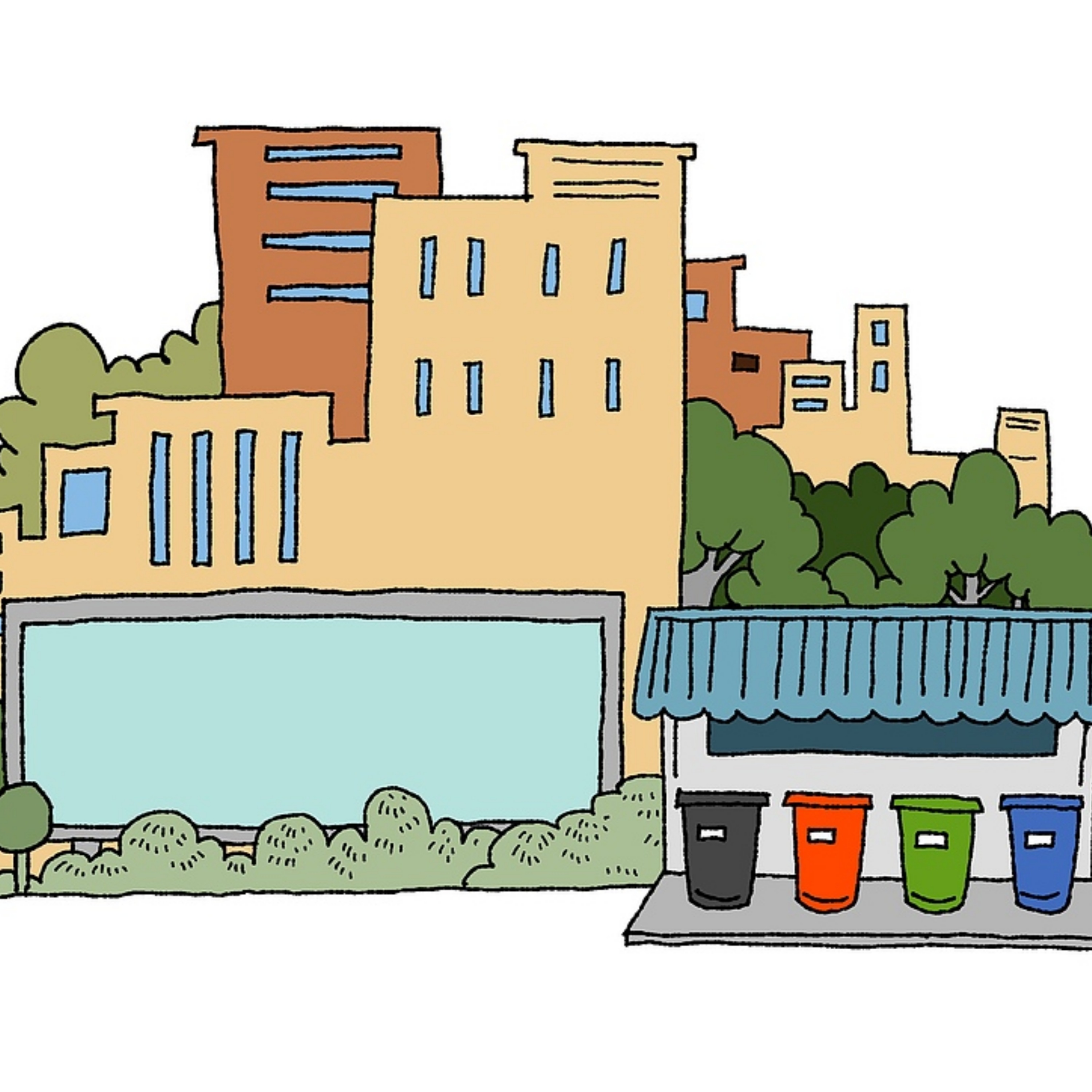
你会看到社区从一个垃圾桶变成了三个不同的垃圾桶,根据你在周末被召集到社区中心时接受的教育,你应该把垃圾分别扔进这三个不同的垃圾桶。
You see your community moving from having one garbage bin to having three different ones, and you are supposed to throw them in the three separate garbage bins based on the education you received during your weekends while you are summoned to the community center.
哦,真的吗?
Oh, really?
是的。
Yes.
我们会开设不同类型的课程,这些课程既富有教育意义又充满趣味性。
And we would have different types of classes, and they are being very educative and entertaining.
这有点像免费的家政课程。
It's kinda like a free home economic lesson.
他们会教你如何重复利用家里的物品,如何把一个外卖盒改造成精美的家居容器,还会告诉你吃完肉后的大骨头该扔哪里——比如脊椎骨之类的部位应该归到哪类垃圾。
They'll tell you how to reuse the stuff you have at home, how to change one of your takeout box into a very fine looking container that you can use at home, and they'll also tell you where to put the huge bone you just finished eating eating the meat out of it and also eating, I think, it's the spine area in And where does that one go?
听起来简单,但细想之下,每件小物品可能都属于某个特定垃圾桶的类别。
Because it sounds easy, but if you really think about it, each and every little item might belong to one of those garbage bins.
之后,大概一两年后,以我们社区为例,他们对垃圾分类更加精细,类别划分也更为严格。
And after that, I think after one or two years, in my community, for example, they have also put the categories or making sure that the categories of different garbage bins are being even more dedicated and even more classified further classified.
对于还不清楚如何分类的人,可以向垃圾站的工作人员寻求帮助。
And for those who do not know just yet how to sort their garbage, they can also ask for help from those who are working in the garbage stations.
是的。
Yes.
他们甚至会帮你完成整个分类过程。
And they'll even help you doing all that.
如果你有时间,可以向他们学习。
If you have time, you can learn from them.
如果你没时间,他们会帮你处理。
If you don't, they help you do it.
是的。
Yeah.
所以听起来简单,但在基层,已经完成了大量工作。
So it sounds easy, but grassroots level, a lot of work have been accomplished.
我看到过对那些帮助者的称呼。
Those people I saw a term for those people that help you.
我记得看到的称呼是'绿色守护者'。
I think the term I saw was green guardian.
他们会在公共场所的回收箱旁安排这些人员,确保人们知道该往哪里扔什么。
And they'll they'll do this out in in they'll have these people in public locations as well at recycling bins so that people know exactly where they're supposed to throw what.
我之前想说的是,没错,这些都是我们日常生活中息息相关的事情。
The point that I was gonna make before was, yeah, this is stuff that involves us on on a daily basis.
但事情还有另一面,其中之一就是农业部门。
But then there's, again, the other side of things, and one of those sides is the agricultural sector.
要知道,中国是一个农业大国,每年产生约9亿吨农作物秸秆。
You know, China has a really large agricultural country producing about 900,000,000 tons of crop straws.
这就是你之前用过的术语,Yushin。
That's the term that you used earlier, Yushin.
指的是谷物作物收获后剩下的茎秆部分。
That's the leftover stalks and stems from a grain crop.
现在你可能会想,好吧。
Now you might think, alright.
这有什么大不了的?
Well, what's the big deal?
随便找个地方堆放或者烧掉不就行了,但这绝不是好办法。
Just, I don't know, leave it somewhere or burn it, but that's not a good strategy at all.
秸秆焚烧曾是农村空气污染的主要来源,现已被全面禁止。
Straw burning, which was previously a major source of rural air pollution, has been banned altogether.
所以,这些事情表面上看起来可能无关紧要,但像焚烧秸秆或收割后这样做确实会对环境造成损害。
So, again, it's these things that, you know, might seem like they're inconsequential on on the surface, but doing something as maybe doing something like burning straw stocks or after a harvest can really do damage to the environment.
这就是黑龙江省的做法——2020年将约73%的可收集农作物秸秆转化为肥料,同时还用这些秸秆制作成农舍等物品。
So that's what they do turned in Heilongjiang province turned about 73% of its collectible crop straws into fertilizer in 2020 and also used these straws to transform them into items like penthouses Yeah.
是的,你可以。
You can yeah.
碗,对吧。
Bowls Right.
花篮之类的东西。
Flower baskets, that kind of thing.
哦。
Oh.
我得说,它们质量相当好,是漂亮的手工艺品。
They're quite, you know, good quality and beautiful handicrafts, I would say.
很多人购买它们不仅因为外观好看,还因为环保的一面。
And And a lot of people are buying them for not only, like, their the good looking side, but also environmental friendly side too.
是的。
Yes.
你应该提到黑龙江。
And you should mention Heilongjiang.
黑龙江以农业实力闻名,这毋庸置疑。
Heilongjiang is famous for being a province with its strength on agriculture for sure.
所以我认为不同省份、不同城市都有各自不同的情况。
So I think different provinces, different cities, they have different situations.
比如三亚。
For example, Sanya.
我们都知道三亚是个美丽的地方。
We know Sanya is a beautiful place.
我曾因私人旅行和商务出差去过那里。
I've visited there on private trips, business trips.
它毗邻大海。
It's adjacent to the sea.
那里非常不错。
It's very nice.
但海南岛呢?
But island Of Hainan.
对吧?
Right?
是的。
Yes.
但如果你仔细想想,那个地方也会考虑如何确保他们的海域保持清洁。
But if you really think about it, that place would also think about how to make sure their sea is also clean.
这就是为什么他们实施陆海统筹。
And they that is why they have land sea coordination.
他们有海洋卫生计划。
They have marine sanitation program.
他们会加强河流和陆地的清理工作。
They would strengthen their river and land cleanup.
他们甚至为每条河流和每个湖泊都设立了河长。
And they even have each river and each lake would have a river chief.
还有湖长,这是他们守护水域的制度,他们还努力提高公众意识,而不像我所在的社区只告诉我如何分类垃圾。
And lake chief, that is their system of guarding the the water areas, and they try to raise pub public awareness as well, but not as my community that only tells me how to sort my garbage.
他们还会确保人们了解海洋环境。
They would also make sure that people understand the marine environment.
他们设有海洋环境教育中心,以便让公众参与并扩大海洋保护的宣传范围。
They have a marine environmental education center so that they can engage the public and expand ocean promotion protection outreach.
他们甚至加入了世界自然基金会的'自然无塑'倡议,这样可爱的鸟类、海鸥等动物就不会因海洋中的塑料垃圾而受到伤害。
And they even joined the WWF's No Plastic in Nature initiative so that lovely birds, seagull, all these animals would not be hurt because of the plastic waste in the sea.
所以不同城市、不同地区面临着不同的挑战,他们正根据现有资源解决问题,并尝试以更创新的方式开展工作。
So different cities, different places have different challenges to tackle, and they are working problems based on the resource they have and also trying to be more innovative in doing so.
嗯。
Mhmm.
这个职位名称也很酷。
That's a cool job title too.
海洋主管
Chief of the sea.
是啊
Yeah.
嗯,河长
Well, river chief.
他们其实没有海长
They don't really have a sea chief.
嗯
Mhmm.
你可以试试看能不能得到那份工作
You can can try to see if you can get that job.
嗯
Mhmm.
既然我们已经谈到三亚了,还有一点很重要,就像玉顺说的,对旅游业来说,确保城市清洁以免影响旅游业发展
And if we're talking already talking about Sanya, one other thing is it's quite important, like Yushun said, for the tourist tourism industry to to, you know, make sure that the city is clean so that the tourism industry is not affected.
不仅三亚在这样做,青岛也在做。
And doing that is not only Sanyang who's doing it, Qingdao is doing it.
对于已经对中国山东省会有所了解的你们,知道他们的啤酒很有名,还有啤酒节。
And for those of you who already have an idea about capital city of Shandong province here in China, you know their beer is quite famous and they have beer festival.
现在他们有一个零废弃主题的啤酒节。
And now they have a zero waste themed beer festival.
哦,很酷。
Oh, cool.
我在想,你是会把所有玻璃瓶或啤酒瓶都回收,还是需要自带容器去装呢?
I wonder, would you just recycle all of your glass or beer bottles, or do you have to bring your own container for the
嗯,如果你派我去,我会带着答案回来。
Well, if you send me, I will come back with the answer.
综上所述,我们是不是,你知道的,都朝着好的方向发展呢?
And so all that being said, are we just, you know, all well in a good direction?
我们正在努力。
We're working on it.
我们有许多城市,超过30个,已经做得非常出色。
We will many of the cities, over 30 cities, have done a really good job.
其他一些城市还需要再加把劲。
Some other cities would need a bit more work.
但我们都在正轨上吗?
But are we all on track?
难道一点挑战都没有吗?
There's no challenges at all?
实际上,整个无废城市项目的发展仍存在不足和改进空间。
There are shortcomings and areas for improvement that still exist in the development of the whole zero waste city project, actually.
持续高位的固体废物储存量是一个问题。
Persistent high volume of solid waste storage is one thing.
参与城市仍不同程度地面临固体废物累积储存量的问题,关键的是,数据显示累积量增长的趋势尚未逆转,此外危险废物管理方面的缺口也令人担忧。
Participating cities still face the problem of, like, cumulative volumes of stored solid waste to varying degrees, and crucially, the sources indicate that the momentum of the cumulative volume increasing has not yet been reversed, and also gap in hazardous waste management is another thing that, is raising concern.
通过填埋方式处理的危险废物比例仍低于国家要求的10%。
The proportion of hazardous waste disposed of through landfilling still falls short of the national requirement of 10%.
正如你之前提到的,实际上大约有70%的城市仍有改进空间,整个项目仍在进行中。
So and as you mentioned before, actually, there are probably, like, 70% or basically 70% of the city still have the space for improvement and so the whole project is ongoing.
我们可以看到一些成果,但仍需付出更多努力。
We can see some achievement, but still we need more effort on it.
是的。
Yeah.
而且公众的认知也需要同步跟上。
And the and the the perception from the public needs to be in line too.
对吧?
Right?
有报告显示,在某些城市,已实现的零废城市建设成果与民众的实际体验或对实现零废城市目标的感受之间还存在差距。
There were reports that in some cities, these achievements that were done or the outcomes of the zero waste construction that were accomplished, they don't yet really align with the personal experiences that people might have or the feelings that people might have about achieving goals toward a zero waste city.
而且我认为,你提到的组织民众前往社区中心接受教育、让他们了解进展的做法,
And I think that, you know, you talked about bringing people in for a commute to a community center for education to let people know what's going on.
这将是非常明智的一步,因为让公众参与并尽己所能是实现零废城市目标的重要举措。
I think that would be a really wise step because having the public involved and having the public doing what they can is a major step towards achieving these zero waste city goals.
因此,不仅仅是制定政策,这反而筑起了一道墙。
So rather than just putting policies in place, it creates a wall.
我感觉有一道无形的墙,社区里的居民与社区本身之间缺乏真正的联系。
I I feel like an invisible wall where there's no real connection between the people that live in the communities and the communities themselves.
但让人们更容易获取信息,让他们知道自己所做的努力确实能带来切实的成果,这将大有裨益。
But allowing people to have more access to information and letting them know what they're doing that's actually helping tangible outcomes would really go a long way.
我们绝对应该继续讨论这个话题,因为仔细想想,在疲惫的工作日结束后回到家,吃完外卖,你确实需要内心那股动力,才能从沙发或舒适的椅子上起身,开始分类整理,把垃圾装进不同的袋子,确保扔进正确的垃圾桶。
And we should continue, definitely continue talking about this because if you really think about it after a really tired working day, you're home, you finished your takeout, you really need that that push in your heart so that you can get up from your sofa, from your comfortable chair, and start sorting everything, putting them into different bags, and then making sure that you throw them in the right garbage bin.
今天的谈话给了我这种动力,希望也能激励你为打造零废弃城市贡献自己的力量。
And having today's conversation give me that nudge, and hopefully, it can give you the nudge to make your effort in making our city zero waste.
关于 Bayt 播客
Bayt 提供中文+原文双语音频和字幕,帮助你打破语言障碍,轻松听懂全球优质播客。