本集简介
双语字幕
仅展示文本字幕,不包含中文音频;想边听边看,请使用 Bayt 播客 App。
讨论让世界运转。
Discussion keeps the world turning.
这里是圆桌派。
This is Roundtable.
您正在收听的是圆桌派。
You're listening to Roundtable.
我是史蒂夫·哈瑟利,今天与雨珊和星宇一起。
I'm Steve Hatherley together today with Yushan and Xingyu.
接下来,中国最地道的餐食并不在餐馆里。
Coming up, the ultimate local meal in China isn't in a restaurant.
而是在政府食堂。
It's in a government canteen.
一个令人惊讶的新趋势是,市政建筑正敞开大门,为公众提供极其实惠的地道美食。
In a surprising new trend, municipal buildings are opening their doors serving the public incredibly affordable authentic food.
这是公共服务的新面貌吗?
Is this the new face of public service?
别忘了我们的播客听众。
Don't forget our podcast listeners.
说的就是你。
That's you.
你可以在Apple Podcasts上搜索《圆桌议事》中国版找到我们。
You can find us at Roundtable China on Apple Podcasts.
还有别忘了,我们很期待听到你的声音。
And don't forget as well that we love to hear from you.
发邮件很好,但发语音留言更好,特别好。
An email is great, but a voice note is great, great.
欢迎就节目中讨论的任何话题,把你的想法通过这些方式发送给我们。
Send those our way with your thoughts on any of the issues that we discuss here on the show.
具体操作方式如下。
Here's how you do it.
我们的播客邮箱是Roundtable podcast@qq.com。
Roundtable podcast at qq.com.
再次提醒,圆桌论坛播客可在qq.com收听。
Once again, roundtable podcast at qq.com.
现在,想象一下这个场景。
And now, picture this.
你正在中国旅行,渴望品尝地道的当地美食。
You're traveling through China, hungry for some authentic local cuisine.
你避开了旅游陷阱,无视高档酒店,直奔当地政府大楼。
You skip the tourist traps, you ignore the fancy hotels, and you head straight for the local municipal government building.
听起来像个错误,但这实际上是从重庆的麻辣街道到江苏风景小镇的最新餐饮热潮。
Sounds like a mistake, but it's actually the hottest new dining trend from the spicy avenues of Chongqing to the scenic towns of Jiangsu.
政府食堂正在拆除围墙,向公众开放午餐服务。
Government canteens are tearing down their walls and inviting the public in for lunch.
我们说的是美味的红烧肉——这是我最爱的菜品之一,还有麻婆豆腐——这也是我的心头好。
We're talking about some delicious red braised pork, that's one of my favorites, and some mapo tofu, that's one of my favorites too.
而且这些餐食价格非常亲民。
And these meals don't cost you much at all.
但这不仅仅是成本的问题。
But it's not just about the cost.
这是一个极其引人入胜的城市资源管理实验。
It's a fascinating fascinating experiment in urban resource management.
地方政府正试图证明'为人民服务'不仅是口号,更能被字面意义上地践行。
Local governments, they're trying to prove that serving the people isn't just a slogan, it can be taken literally as well.
但这究竟是对公共资源的可持续利用模式,还是说——打个比方——只是煎锅里转瞬即逝的火花呢?
But is it a sustainable model for public resources or perhaps just a flash in the frying pan, if you will?
所以我觉得开放政府大楼餐厅对公众开放这事儿挺酷的。
So this is kinda cool, I think, opening up the doors, opening up the restaurant doors to the public for these government buildings.
其实我们现在才提到这事,但它并非最近突然冒出来的。
In fact, we're mentioning it now, but it didn't really come just pop up, like, very recently.
事实上可以追溯到今年五一假期前后。
In fact, it it can date back to earlier this year around the May Day holiday season.
当时中国多个城市的机关食堂或政府附属食堂开始向公众开放餐饮设施。
That's when a lot of the local canteen or government government affiliated or institutional canteens across multiple cities here in China have opened their dining facilities to the general public.
这些设施过去通常仅限于服务政府机构或企业的内部员工,但现在不再如此。
So these facilities were often restricted to only serving internal staff and employees of the government agencies or enterprises previously, but not anymore.
如今,无论是物理上对民众的障碍,还是心理上对每个人的障碍,都已被打破。
Now the barriers are broken down both physically for the people and, like like, psychologically for everybody too.
他们现在允许普通市民,包括你
And they're allowing ordinary citizens, everybody, including you
和我,甚至游客、周边居民和上班族,都能在这些食堂用餐。
and I, tourists even, surrounding residents and office workers to dine in these canteens.
是的。
Yes.
你刚才提到了五一假期。
So you've mentioned the May Day holiday.
实际上,在五月的假期期间,位于重庆的荣昌区、华东安徽省的红顺镇,以及浙江和江苏的滁州、扬州的政府食堂,
Actually, during the holiday in May, the government canteens in Rongchang District, which is located in Chongqing and also Hongshun Town in East China's Anhui Province and also Chuzhou and Yangzhou, which located in Zhejiang and Jiangsu provinces.
也接待了来自全国各地的游客用餐。
They have also welcomed tourists from nationwide to dine in their canteens.
对游客开放这一点还挺有意思的。
It's kind of interesting that it's open to tourists too.
是的。
Yes.
我敢说这在以前是很多游客根本不会想到的选项。
Something that wouldn't have even been on the radar, I'm sure, for many tourists before.
但你知道,虽然这事要追溯到五月份,可到现在其实还挺新的。
But why you know, this this does go back to May, but even still, it's still pretty new.
嗯。
Mhmm.
他们为什么决定向公众开放呢?
Why have they made that decision to open the doors to the public?
对某些地方政府来说,缓解旅游压力不仅是本职工作,更是责任所在——而开放食堂正是他们能分担压力的方式之一,比如你提到的重庆荣昌区。
You know, for some of these local authorities, to ease tourism pressure is one thing that's not that's not only their original work, that's their responsibility, but also something that they can help share by opening up their canteen, such as where you mentioned Xinyu, the Rongchang District in, Southwest China's Chongqing municipality.
在五一假期这类旅游高峰期,以荣昌为例,当地政府要应对大量游客涌入,但全区每天只能准备约2万份餐食。
You know, during peak travel seasons like Mayday holidays and other major holidays that follows, some Rongchang, for example, they the local authorities there were dealing with a huge influx of visitors, But the district can only prepare about two 20,000 meals a day.
这已经很多了。
Which is a lot.
这已经很多了。
Which is a lot.
但考虑到游客数量庞大,因为荣昌以诸多事物闻名,美食是吸引人们前往的主要原因之一。
But considering the the amounts, the packs of tourists going to visit there because RongChang is known for a lot of things, food for one main reason why people are attracted to visit.
所以他们必须精心规划,确保每个人都能吃饱并感受到被照顾。
So they really had to plan carefully to make sure everyone was fed and felt taken care of.
事实上,五月份这里还因此成为了美食热点。
And in fact, it turned into a bit of a foodie hot spot in May for them.
如果我没记错的话,他们供应的第一餐就吸引了超过3000人前来。
The very first meal, if I'm remembering remembering it correctly, the the very first meal they served attracted more than 3,000 people to show up.
对吧?
Right?
这真令人印象深刻。
That's impressive.
嗯。
Mhmm.
这也减轻了工作人员的压力,因为每天准备两万份餐食并非易事,需要大量人手来完成。
It eases the pressure on the staff too, because preparing 20,000 meals a day is not an easy thing to do, and it requires large teams of people to do it.
但当门口排起长队,人群一直延伸到街道和人行道上时,压力就更大了。
But when you've got people backed up out the door and down the street and down the side walk, then it makes the pressure all the more.
所以当你提供更多空间、更多食物、更多座位、更多餐盘时,所有人的压力都会减轻。
So when you provide more space, more food, more seats, more trays for people, it just eases the pressure on everyone.
是啊。
Yeah.
实际上,我查了5月1日的数据。
Actually, checked the data on May 1.
荣昌区这家食堂消耗了1500磅猪肉和280锅蒸饭来招待这些游客。
This canteen in Rongchang District, it consumed 1,500 pounds of pork and also 280 pots of steamed rice to cater to these tourists.
此外,他们还他们还提供了超过20种地方特色菜肴。
And also, they offer this over 20 local specialty dishes.
让我印象深刻的是这道标志性菜品,可以翻译为红烧鹅。
What stood out to me is it's it's iconic which can be translated as braised goose.
是的。
Yeah.
此外他们还有这种源自本地区的传统小吃。
And also they have this It's a traditional snack originating from this district.
英文里叫猪油蒸米糕。
It's In English, it's called pork pork lard steamed rice cake.
米糕。
Rice cake.
对。
Yes.
猪油就是指猪的脂肪。
So pork lard is to pot pork fat.
嗯。
Mhmm.
但它呈淡黄色,像是一种用发酵米制成的杯状蒸米糕。
But it's a yellowish, like a cup shaped steamed rice made of the fermented rice.
是的。
Yes.
所以没错。
So yeah.
这可能不是人人都喜欢的食物,但它也为游客提供了品尝当地菜肴的机会。
It it might not be something for everybody, but it's it also offers you a chance visitors to taste the local dishes.
你正好说出了我想说的话。
And you took the words right out of my mouth.
这是游客度假时总会提到的体验之一。
That's one of the things that tourists always say when they go on vacation.
他们想吃当地人吃的东西。
They want to eat what the locals eat.
他们想去当地人常去的地方。
They wanna go where the locals go.
社区食堂正是当地人会去的地方。
And community canteens are exactly where the locals go.
所以,如果排队太长,显然会打消人们的念头,因为游客的行程都很紧凑。
So, if the lineups are too long, that would obviously discourage people from doing that because tourists have busy schedules.
所以当你增设更多座位时,那就很棒了。
So when you again, when you create more seats, then that's great.
但它让人体会到,当你这样旅行并得到这种机会时,你可能不会喜欢菜单上的每道菜。
But it gives people a sense of when you're traveling like that and you get that opportunity, you might not like everything on the menu.
谁在乎呢?
Who cares?
没关系。
Doesn't matter.
对吧?
Right?
你正在初次尝试新事物,这让你在度假时能更深入地接触中国文化。
You're trying things for the first time, and it just brings you that much closer to Chinese culture when you're here on vacation.
不过,我们一直在讨论游客,但这不仅仅关乎游客。
But, again, we're we're we've been talking about the tourists, but it's not just about the tourists.
是的。
Yeah.
我知道。
I know.
对普通大众也是如此。
For the general public as well.
我认为它确实满足了公众需求,尤其是那些在国企或公共机构附近工作或生活的人。
I think it really addresses the public needs, especially for those who are working or living nearby a like like state owned enterprise or public institutions.
这些食堂为他们提供了非常便捷的就餐选择,也能惠及周边社区。
These canteens offer really convenient dining options for them that can benefit surrounding communities.
价格肯定更便宜,饮食也更健康,因为有些食堂还提供低脂或低盐的饮食选择。
It definitely is cheaper and it's healthier in terms of diet because some canteens, they offer like low fat or low salt diet options as well.
而且这也更好地利用了公共资源。
And it it also caters to a better use of public resources.
比如有些食堂在非工作时间或周末时可能非常冷清。
Like some of these canteens, they can be really empty Mhmm.
在非工作时间或周末期间。
During non work hours or during weekends.
所以,通过向公众开放食堂,可以提高座位使用率并减少食物浪费。
So, yeah, by opening the canteen to the public, it can increase the seat occupancy and also decrease the food waste.
没错。
Right.
这一点我也注意到了。
That's one thing that I noticed too.
我们有时称之为社区食堂,但通常是指特定提供餐饮服务的食堂。
We call it a community canteen sometimes, but that usually referred to a specific canteen that serves food.
但现在开放的是政府机构的食堂。
But now it's the governmental facility canteen that's being opened up.
这意味着,如果我们审视这一举措的核心理念,就是将机构闲置资源转化为公共服务,让更多人受益。
Meaning that if we look at this core idea of this move, it's a transformation of resources from specific groups to a broader public service because it utilizes institutions that often have just idle resources during non work hours, such as empty tables after breakfast and unused cookware after dinner or unoccupied spaces during weekends.
因此,这一举措实际上成为了公共资源再分配的具体实践。
So in this way, this move becomes a per a practical implementation of the redistribution of public's resources.
这是整个事件的一大亮点。
That's one of the highlights of this whole incident.
完全同意。
100%.
你提到了一个例子。
You mentioned one example.
我记得你谈到过重庆市的荣昌区。
I think you you talked about Rongchang in Chongqing Municipality.
对。
Right.
那里有20道地方特色菜。
There, they had 20 local specialty dishes.
如果你从未在这些地方吃过饭,或者不熟悉我们讨论的内容,可以想象一下一个非常非常棒的学校食堂。
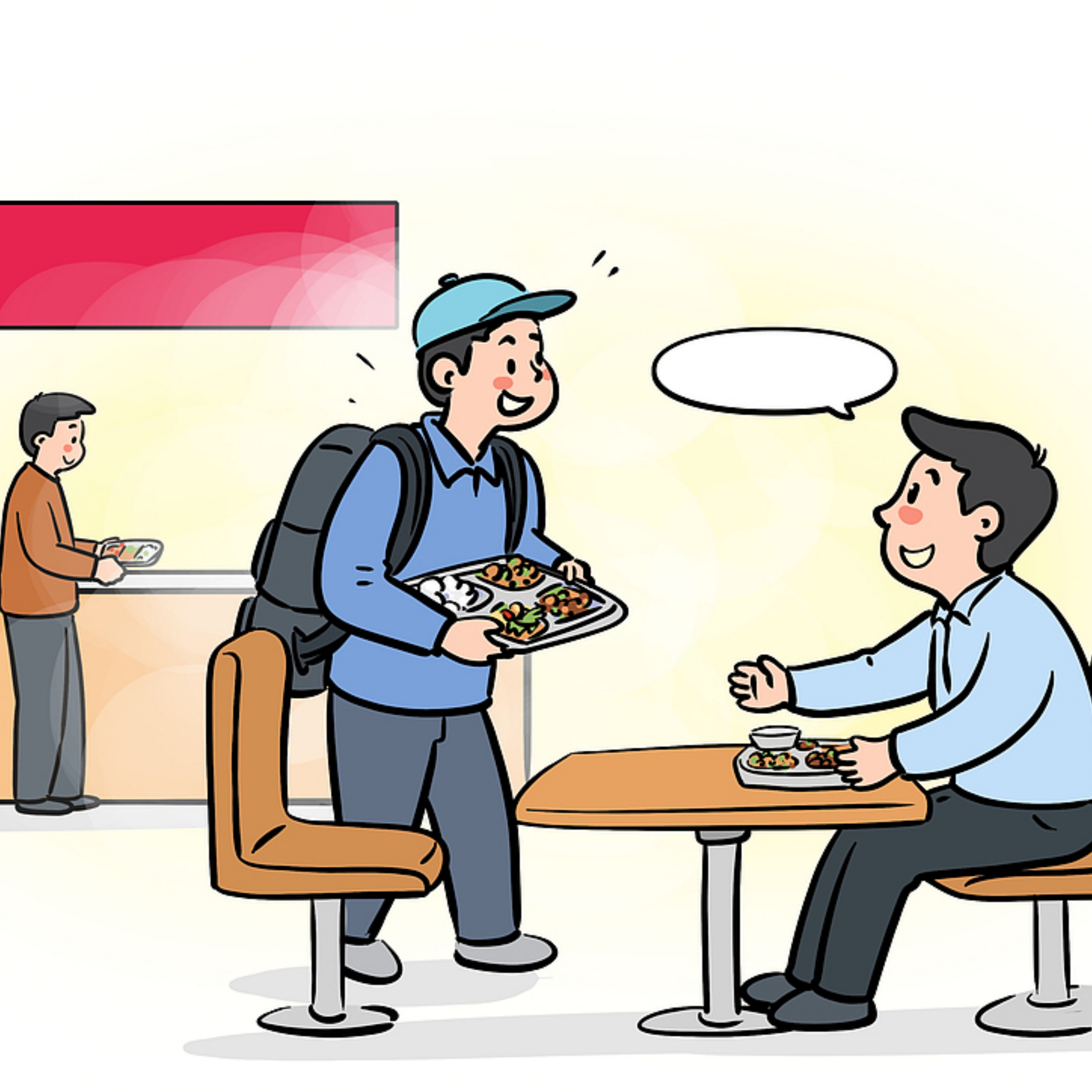
If you've never eaten at one of these places before, if you're not familiar with what we're talking about, imagine, like, a really, really good school cafeteria.
从布局上看大概就是那种感觉。
That's kind of like what it looks like in terms of the layout.
就是自助餐的形式。
It's that buffet style.
对。
Yeah.
但食物真的非常非常好吃。
But the food is really, really good.
我记得刚来中国时,对这些地方的美食也特别兴奋,因为很多菜肴就像我之前说的,都是前所未见的。
And I remember when I first moved to China, I was super excited to eat at these places too because a lot a lot of the dishes, same thing as I said before, I had never seen before.
这是什么?
What is this?
这是我初到时最常问的问题之一,而且我非常喜欢那里提供的各种选择。
Was one of my most common questions asked when I first arrived, and I really enjoyed the options that were available.
是的,有多种菜肴可选,而且价格都非常实惠。
So, yeah, multiple dishes available, and they're all really quite affordable too.
没错。
Right.
回到荣昌的例子,那里的价格非常实惠,菜品价格从每道3元到18元不等。
Back to the Rongchang example, the prices were super affordable there with dishes ranged from just 3 to 18 yuan per dish.
还不到3美元。
That's less than 3 US dollars.
所以游客不仅能获得地道的烹饪体验,还完全不必担心为此花费过多。
So not only did tourists get an authentic culinary experience, they also didn't really have to worry too much about breaking the bank for it.
嗯,最低端的3元,那是什么?
Well, on the on the lower end, that 3 yuan, that's what?
还不到50美分。
That's less than 50¢.
是的。
Yes.
所以最低端大约50美分,高端大约3美元或更少。
So the lower end would be around 50¢, and the upper end would be about $3 or less.
是啊。
Yeah.
对。
Yeah.
说到这个,史蒂夫,我突然想起一件事。
And back in there's something that pops up in my mind just now when you mentioned that, Steve.
你以前在北京尝试过在大学食堂用餐吗?
Have you ever tried dining in a university canteen here in Beijing before?
嗯。
Mhmm.
因为其中有些也对公众开放,而且经常和政府部门食堂开放一起被提及。
Because there are of them are open to the public too, and that's often mentioned along with the governmental facility canteen opened up as well.
因为在北京,许多这类机构食堂或政府食堂,比如北京气象局食堂就是一个例子,正吸引着越来越多的人,就在11月还再次上了新闻。
Because here in Beijing, many of such institutional canteens or governmental canteens, the meteorological bureau canteen here in Beijing is one example, are just attracting more and more people that got itself on on the news again just very recently in November.
所以这个内部食堂,气象局食堂,他们设置了不同类别,以便更好地分流进入食堂的人群。
So this internal canteen, the meteorological bureau canteen, they kind of put different categories so that the the flow of people getting into their canteen are better distributed.
所以食堂的一楼仍然仅供内部员工使用。
So their 1st Floor of the canteen is still reserved for internal staff.
你需要一张特殊的就餐卡来证明你在那里工作才能进入。
So you kinda need a, you know, special dining card proving that you you work there to get in.
而地下一层则对公众开放,使用起来非常方便。
And then for the Basement Level, the B 1 Level, that one is open to the public and it's super easy to use.
你只需到那里扫码,就能支付并获取各种菜品。
You can just go there, scan a code, and pay for the various dishes you can get.
据我观察,这样的设计确实非常巧妙。
So that's something really smart that they're designing as well as far as I've noticed.
这样你就与在职员工分开了
You're separated from the employees who work So there
这样就不会影响该机构或公司员工的工作。
it doesn't affect those staff working for this company or this institution.
另外让我印象深刻的是北京另一家高科技食堂的开业。
And also what stood out to me is another high-tech canteen opened in Beijing.
实际上,是11月1日才开业的。
Actually, just opened on November 1.
它叫京轩山AI食堂,位于
It's called the Jingxuan Mountain AI Canteen which is located in
机器人厨师?
Robot chefs?
实际上,菜品是由这些自动化烹饪机制作的。
Actually, the dishes are made by these automated cooking machines.
机器人厨师。
Robot chefs.
是的。
Yes.
它更精准,能提供更稳定的口味。
It's more precise and it offers more consistent taste for these.
我记得上次查的时候,这些机器能提供300道可调整的菜品。
I think checked, last time I checked, it's 300 adaptable dishes the machines can provide.
怎么
How
在那里怎么支付
in do you there to pay or
是的,这是更高科技的版本,因为这些食堂不需要任何实体卡。
Yes, that's the more high-tech version because you don't need any physical cards for these canteens.
你只需要录入面部信息和个人资料,下次去就可以直接刷脸支付。
You just need to recognize your face and put in your personal information and next time you go there, can just pay through your facial recognition.
刷脸支付。
Pay with your face.
用虚拟卡,没错。
With virtual cards, yes.
还有智能取餐台。
And there's also smart serving counters.
它们能称重食物、计算价格,并估算你摄入的卡路里。
They can weigh food and also they can calculate prices and estimate the calories you consume by these
餐盘。
dishes.
哇。
Wow.
真的吗?
Really?
是的。
Yes.
一家非常智能的食堂刚开业。
Very smart canteen just opened.
从政府建筑的角度来看,他们正在利用空间,或许还能降低成本。
From the government building side of things, they're making use of space, perhaps cutting down on costs.
我查了一下,在加拿大和美国他们是否也这样做。
I was looking up, you know, in Canada and The United States if they do this.
显然,在美国的一些参议院建筑里他们确实这么做了。
Apparently, in America, they do this at some senate buildings.
那里有对公众开放的咖啡馆和餐厅。
They have cafes and restaurants there that are open to the public.
其中一个优势就是成本效益,因为能吸引更多人流量。
And one of the advantages there is that, is the cost effectiveness because you're bringing you're bringing more peep people in.
我有点觉得这就像电影院一样。
I kinda think about it like a movie theater.
对吧?
Right?
如果一个电影院只在早上和晚上各放映一场,那就不太合理了。
If a movie theater was only open for morning screening and an evening screening, it wouldn't necessarily make that much sense.
当该区域有很多访客或游客时,为什么不让他们充分利用这些设施呢?
When you have a lot of visitors or tourists in the area, why not allow them to take advantage of it?
没错。
Right.
但在这里,人们想去那里就餐的理由和动机是什么呢?
But here, what would be some of the reasons, some of the motivation for people to want to go there and eat?
首先,肯定是价格实惠且性价比高。
Well, first of all, it's definitely the affordability and also cost effectiveness.
正如我们之前提到的,很多去这些食堂就餐的人都是住在附近的当地居民。
Because as we mentioned earlier, a lot of these people who go and dine in these canteens are just local residents who live nearby.
与其外出购买食材,如果不到15美分的话,我们刚才说多少钱来着?
And instead of going out and buying grocery, if less than 15¢ how much did we mention?
不到18元。
Less than 18 yuan.
花那么多钱,就能吃到品质优良的美味佳肴,何乐而不为呢?
With that amount of money, you can get dishes and good quality, nice dishes, then why not?
价格实惠是显而易见的,当然也能惠及当地居民。
So the affordability is there, and it can, of course, benefit the local people.
反过来对食堂而言,他们也能从集体采购的成本优势中获益,因为他们是大量采购食品。
And then for the canteens in turn, they can also be benefited from the cost advantage of collective purchasing because they are purchase purchasing in a lot of food.
就像你之前提到的新谷,食堂里的那些资源可能有些时候并没有被充分利用。
And like you mentioned earlier, Xingu, there are probably times when they are not really using those resources inside the canteen.
因此这对他们来说是个好方法,既能避免浪费又能保持可持续性。
So this will be a good way for them to avoid waste and stay more sustainable too.
嗯。
Mhmm.
是的。
Yeah.
而且我也觉得很多普通人都好奇这些政府大楼里的人吃些什么。
And I also think that many ordinary people, they wonder what people inside these government buildings they eat Yeah.
你提到过那天。
You talked about the day.
对。
Yeah.
没错。
Yeah.
我明白你的意思。
I know what you mean.
你之前提到过障碍。
You talked about barriers before.
是的。
Yes.
这将消除其中一个障碍。
This would be the elimination of one of those barriers.
没错。
Yeah.
因为在中国,如果你想进入这些政府机构工作,必须通过竞争激烈且难度很大的公务员考试。
Because China, you if you want to work for these government institutions, you have to, like, take this very competitive and hard exam to be the serve civil servants.
明白吗?
You know?
是的。
Yeah.
我觉得压力已经够大了。
I think Pressure's already up.
是的。
Yeah.
压力确实非常大。
Really huge pressure.
对于这些食堂,我觉得很多普通人就是去体验一下这些食堂是什么样的,可能还会在社交媒体上发些照片和视频。
And for these canteens, I think many ordinary people, they just go to experience what canteens they're having are like and maybe post some photos and videos as well on their social media.
我也认为这有助于消除隔阂——我不确定'隔阂'这个词是否准确,但当整个区域对人们开放时,确实能营造更强的社区归属感。
I would think too that it helps to eliminate a barrier I don't know if a barrier if barrier is the right word, but create a stronger sense of community when you have when the entire area is accessible for people.
我不是指建筑内部的整个区域,而是指整个社区本身。
I don't mean the entire area inside the building, but just the the neighborhood itself.
当没有那种'那里是禁区'的感觉时。
When when you don't have, oh, that's off limits.
我们无法进入那里。
We can't go there.
消除这种限制后,或许能带来更强的...我不知道该怎么形容,社会信任感?
When you eliminate that, it gives you a stronger sense of perhaps, I don't know, social trust or
是的。
Yeah.
或者说是一种共享社区的感觉之类的。
Or a shared community or something like that.
没错。
Yeah.
《北京青年报》的数据显示,这些食堂开放后,晚餐上座率从之前的极低水平跃升至70%左右,这对他们作为欢迎社区居民的一部分来说是个巨大提升。
And here's some data from Beijing Youth Daily, which indicate that once these canteen opens up, the dinner seating rate jumped to around 70% from much, much lower than pre than before, which is a huge improvement for, them as part of a community welcoming people in.
就像你说的,它弥合了当局与社区之间物理和心理上的隔阂。
Like you said, it bridges the physical and the psychological gap between authorities and communities.
当单位职工和社区居民在同一窗口排队时,某种程度上培养了这种信任感——是的,这些人为我们服务,而我们也是他们中的一员。
So when unite staff and unit staff and community residents, they queue at the same window, it kinda cultivate this trust that, yeah, these people serve us and we're among them.
而且他们也是我们的一部分。
And and they're they're part of us too.
确实。
Yes.
这正是我想说的。
That's exactly what I was trying to say.
你说得比我更好。
You just you said it better.
那么人们对此有何评价?
So what are people saying about it then?
大家喜欢这个举措吗?
Are people loving it?
他们具体怎么说?
Are they what are they saying?
目前我们从网友和实际体验过食堂用餐的民众那里收到了非常积极的反馈。
I think so far we have received very positive feedbacks from netizens and people who have experienced dining at the canteens.
比如游客张先生称赞了菜品选择,他花了36元点了五道菜,认为性价比高且分量足。
Think that the food options our tourist surname, the Zhang, he praised the cost effectiveness and generous portion after spending 36 yuan for five dishes at the canteen.
基本上所有人都对此感到满意。
So pretty much everybody is happy for it.
人们的观念也发生了转变。
And people's perspectives are shifted too.
他们感受到这座城市展现出的温暖,仿佛回到家乡般亲近。
They feel like the city's warmth is showing to them and it's been closer to them as as of their coming back home as well.
所以,总的来说,大家都很喜欢这个变化。
So, yeah, in general, people love like it.
谁知道呢?
Who knows?
可能会成为新的热门约会地点。
Might be the new hot date place.
也许吧。
Maybe.
是为了社区里的老年人吗?
For the seniors in the community?
还是年轻人?
Or the youth?
为什么不呢?
Why not?
为什么不呢?
Why not?
确实如此。
Exactly.
大家总是在寻找新去处。
Everybody's always looking for a new spot.
好的。
Alright.
今天的圆桌讨论就到这里。
That'll do it for, roundtable for today.
非常感谢您抽出时间与我们分享。
Thank you very much for sharing your time with us.
我是玉山和新雨的史蒂夫。
I'm Steve for Yushan and Xinyu.
我们感谢大家,并希望你们下次还能回来加入我们。
We thank you all, and we hope you'll come back and join us next time.
关于 Bayt 播客
Bayt 提供中文+原文双语音频和字幕,帮助你打破语言障碍,轻松听懂全球优质播客。