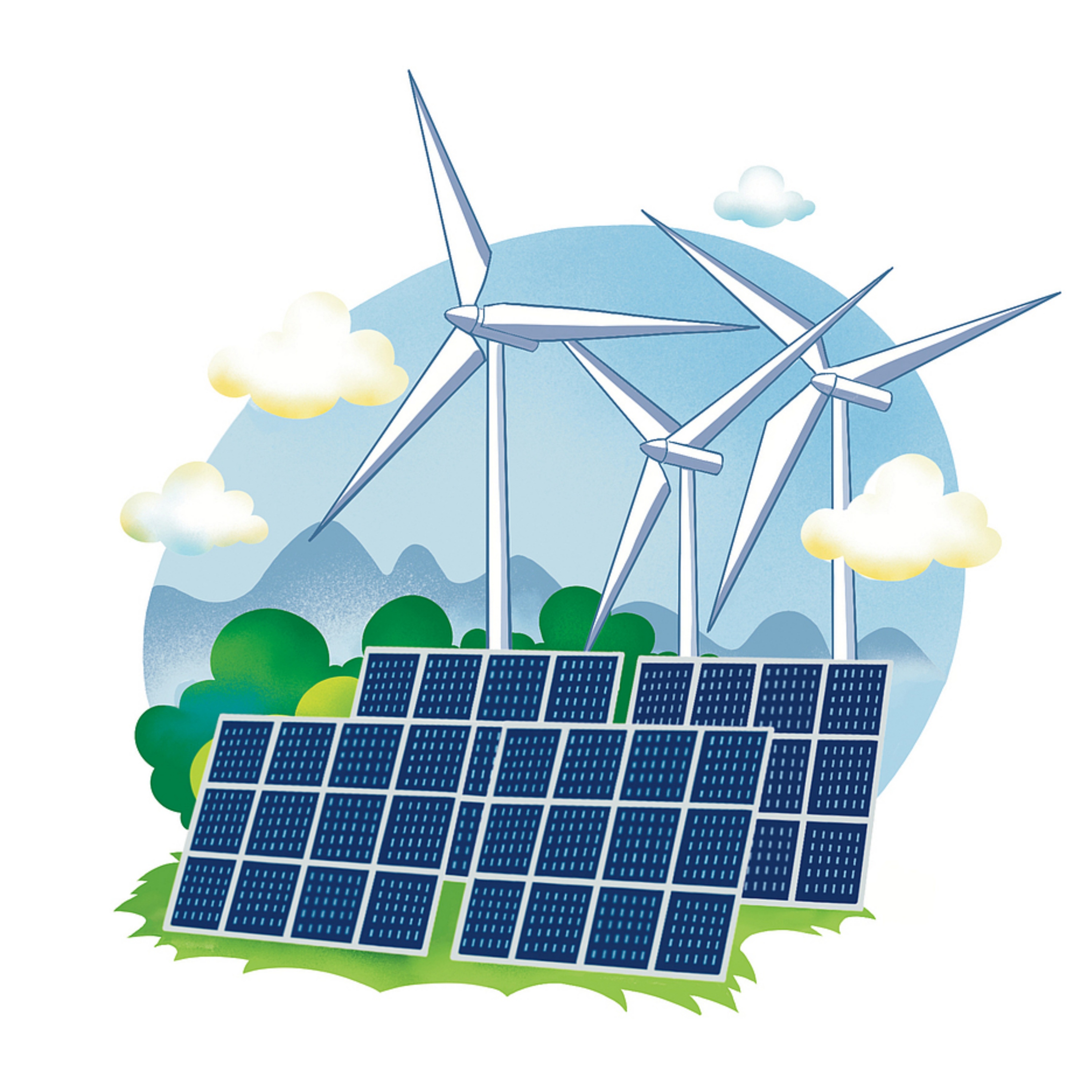
本集简介
双语字幕
仅展示文本字幕,不包含中文音频;想边听边看,请使用 Bayt 播客 App。
讨论让世界运转不息。
Discussion keeps the world turning.
这里是圆桌论坛。
This is Roundtable.
您正在收听的是圆桌论坛。
You're listening to Roundtable.
我是今天的主持人史蒂夫,与玉新和菲菲一起。
I'm Steve today with Yushin and Fei Fei.
接下来:将巨型沙漠太阳能电站接入电网,犹如对整个电力系统实施心脏直视手术。
Coming up, Connecting a gigantic desert solar farm to the power grid is like performing open heart surgery on the entire electrical system.
为了保障电力供应,工程师们需要一套共同的操作指南。
To keep the lights on, engineers need a shared playbook.
如今这份指南已然问世。
That playbook now exists.
我们将探讨由中国等14国共同制定的新国际标准——这份正在成为可再生能源未来必备手册的规范。
We'll explore the new global standard forged by China and 13 other nations that's becoming the essential handbook for a renewable future.
接下来,随着中国进入冬季,一种无形的危险正在室内悄然出现。
After that, as China enters into the winter season, an invisible danger emerges indoors.
我们不仅指寒冷本身,还包括与之抗争带来的问题。
We're not just talking about cold itself, but the problems that come with fighting it.
用清洁的热泵替代古老的燃煤烟雾会是怎样的景象?
What does it look like to replace the age old smoke of coal with the clean of a heat pump?
这是一个既保暖又免受伤害的故事。
This is the story of staying warm without getting hurt.
我们的播客听众可以在苹果播客上搜索'圆桌中国'找到我们。
Our podcast listeners can find us at Roundtable China on Apple Podcasts.
别忘了,我们也想听到您的声音,请将您的语音留言发送给我们。
And don't forget, we love to hear your voice as well, so send your voice notes our way.
Roundtablepodcast@qq.com。
Roundtablepodcast@qq.com.
再次提醒,圆桌播客邮箱是qq.com。
Once again, Roundtable podcast at qq.com.
现在,请将全球电力系统视为世界上最复杂的工程难题。
And now, think of the global power system as the world's most complex engineering puzzle.
随着中国沙漠地区等大型风电和太阳能电站接入电网,确保它们无缝安全地协同运行,这堪称终极挑战。
As colossal wind and solar farms like those emerging in China's deserts connect to the grid, ensuring that they communicate seamlessly and safely, well, that's the ultimate challenge.
在能源转型领域的重大突破中,中国与13个国家合作,刚刚发布了一项新的国际标准。
In a major breakthrough for the energy transition sector, China, in collaboration with 13 nations, has just launched a new international standard.
该标准为动态仿真提供了统一的全球技术语言。
The standard itself provides a unified global language for dynamic simulation.
这是工程师用来建模和预防电网崩溃的关键工具。
That's the critical tool engineers use to model and prevent grid collapses.
这将有助于在全球范围内构建更安全、更可靠的电力网络。
This promises to build safer, more reliable power networks worldwide.
但当一项通用标准出台时意味着什么?随着我们对太阳能和风能的依赖日益加深,它将如何具体防范停电事故?
But what does it mean, when a universal standard is introduced, and how will it specifically guard against blackouts as our dependence is growing, isn't it, on the sun and the wind?
这个话题略显复杂,但我们会尽可能用最简单的方式来解析。
It's a bit of a complicated topic, but we'll break it down as simply as we possibly can.
雨欣,这到底是怎么回事?
Yuxin, what's it all about?
嗯。
Mhmm.
中国成功主导并发布了新能源发电建模技术领域的首个国际标准,这项国际标准是中德法美等14国专家历时四年联合攻关的成果。
So China has successfully led and published its first international standard in the field of new energy generation modeling technology, and this international standard was developed through four years of collaborative efforts involving experts from China and 13 other countries including Germany, France, and The United States.
该标准首次为新能源发电系统提供了标准化通用仿真模型,对于大规模新能源并网电力系统的动态仿真及安全稳定性评估至关重要。
This standard provides the first standardized generic simulation model for new energy generation systems, which is crucial for, the dynamic simulation and also assessment of stability and safety in power systems integrated with large scale new energy sources.
对。
Right.
但这具体意味着什么?
But what does that actually mean?
这个标准实际能起到什么作用?
What does this standard actually do?
是的。
Yeah.
说实话,我刚才说的这一大堆话,我自己也没完全搞明白。
To be honest, through all of these words that I just run through, I don't quite get it.
这项新国际标准为使用变流器的可再生能源发电单元(如风力涡轮机和太阳能逆变器)定义了一种统一通用的仿真模型。
This new international standard defines a kind of a unified, universal simulation model for renewable power units that uses converters such as wind turbines and solar inverters.
首先,它们适用于新能源发电厂。
So first of all, they're for new energy, let's say, power plants.
简单来说,它告诉制造商他们的设备应该如何建模。
And in simple terms, it tells manufacturers how their equipment should be modeled
好的。
k.
告诉软件开发人员如何实现他们的可再生能源模型,为电网运营商提供一种通用语言来评估其可再生能源能否安全并网,并确保风能和太阳能在仿真中表现一致。
Tells software developers how to implement their renewable energy models, gives grid operators a kind of common language to evaluate whether their renewable energy can be safely connected, and ensures wind and solar plants behave consistently in simulations.
无论设备位于哪个国家或使用哪种软件,他们都能使用这种共同语言进行交流并顺畅操作一切,避免发生大规模停电事故。
And no matter which country they are in or whose software is used, they have that kind of same language to communicate with and to operate everything smoothly without having any kind of a huge blackout to happen.
你可以把它想象成可再生能源建模领域的USB协议。
You can think of it as perhaps the USB protocol, but this is in terms of renewable energy modeling.
这就像一套统一的规则,让不同设备、制造商和系统能够无缝协作。
It's like one set of rules so that different devices and makers and systems can work together seamlessly.
以USB为例,在USB-C出现前,每个手机品牌都有自己专属的充电器。
Before USB, for example, USB C, Every phone brand had its own charger.
简直烦死人。
Insanely annoying.
对吧?
Right?
你得找到那个特定的充电器才行。
You'd have to find that specific charger.
这大概就是你刚才提到的'不同语言'问题。
Well, that would be the different languages, I guess, that you were referring to a moment ago.
那样会造成极大的资源浪费,设备间也无法兼容,让人非常头疼。
It would be really frustrating, really wasteful, and things wouldn't work together.
但后来USB-C出现了,成为了通用标准。
But then along came USB C and it became like a universal standard.
所以无论充电器是在韩国制造的,都能与中国、美国或其他任何地方生产的笔记本电脑无缝配合使用。
So it wouldn't matter if a charger was made in Korea, for example, that would work seamlessly with a laptop that was made in China or The USA or wherever.
电网标准也在实现类似的功能。
So the grid standard, it's kind of doing the same thing.
这是可再生能源的通用即插即用协议,意味着来自任何公司、任何国家的清洁能源都能安全接入全球任何电网,这就是第一本全球规则手册的意义。
It's that universal plug and play protocol for renewable energy, and this means that clean power from any source made by any company from any country can be safely integrated into any grid anywhere in the world, and that's what this first global rule book is.
它让来自世界各地不同公司、不同项目的工程师和科学家能够使用同一种语言交流。
It allows all of these engineers and scientists working on these different projects from different companies in different parts of the world to speak the same language.
是的。
Yeah.
所以我认为现在制定这个标准很有必要,因为接入电网的风能和太阳能发电量正在不断增长。
So I think it sort of makes sense that we have this standard now simply because the amount of wind and solar power are feeding into the grids, are growing.
这某种程度上对整个电力系统都构成了挑战。
So it sort of challenges the entire power systems.
嗯。
Mhmm.
因为,你知道,当我们回顾过去的旧电力系统时,比如当大部分电力来自煤炭、天然气甚至水力时,它就像是一个持续不断输入系统的泵。
Because, you know, when we are thinking about our old power systems in the past, for example, when most of our of our power comes from coal or gas or water even, is it seems like is a constant pump into the system.
但现在涉及到风能和太阳能时,就非常难以预测了。
But now when it comes to wind and solar, it's very difficult to predict.
你不知道它们何时会出现。
You don't know when they're gonna come.
也不知道会有多少能量进入系统。
You don't know how much are gonna gonna come into the system.
嗯。
Mhmm.
因此这带来了巨大挑战,比如今年夏天欧洲就发生了大规模停电,仅仅因为天气变化对电网造成了冲击。
So it posed great challenges to for example, we saw this massive black house in Europe this summer simply because the change of weathers are challenging the grid.
而稳定,你知道的,稳定性基本上是所有电网运行的核心。
And stabilize as you know, stability is basically core to any grid operating.
我们需要稳定的电网,这样工厂才不会突然停工,家里的设备和电器也能保持安全。
We need a stable grid so that, you know, factories won't just suddenly stop working and our devices and equipment can stay safe in at homes.
所以我认为这是重要的一步,最终承认将新能源纳入我们的电网系统。
So it's I think it's one step of, you know, finally, acknowledging incorporating new energies into our grid system.
因此我们需要建立这样的标准。
And that's why we need this standard in place.
是的。
Yeah.
事实上,如今全球都在追求新能源以实现更绿色的未来,越来越多的新能源正成为许多地区的主要电力来源。
For the fact that, nowadays, new energy of course, globally, we are chasing for that kind of a greener future, and more and more new energy is becoming the power source of many areas.
而且事实上在中国,新能源已超越煤电成为最大电力来源,累计装机容量超过14亿千瓦,约占全国总装机容量的42%。
And for the fact that new energy surpassed coal power here in China becoming the largest power source in the system and that with a cumulative installed capacity reaching more than 1,400,000,000 kilowatts, this accounts for about 42 of the total, national in stock capacity in China.
这是《经济日报》评估的数据。
That's assessed from Economic Daily.
可再生能源占比越高,就越需要依赖精确的模拟模型来进行预测。
So the higher the share of renewable energy, the more rely on accurate simulation models to predict things.
没错。
Yeah.
就像菲菲说的,你知道当强风突然来袭时会发生什么吗?
And like Fei Fei said, you know, what happens when strong winds suddenly hit?
当云层突然遮住太阳时会发生什么?
What happens when clouds suddenly block the sun?
如果没有统一标准,那么不同制造商就会各自建立自己的模型。
If you don't have a unified standard, then different manufacturers, you know, build their own models.
不同软件对如何处理问题采用不同假设,而不同国家不仅使用不同语言,技术术语也不统一,这可能导致结果不一致,使保障电网安全更加困难。
Different software uses different assumptions on how to handle different problems, and then different countries, they'll speak a different language, of course, but a different technical language too, and that can lead to inconsistent results, that can make it harder to ensure grid safety.
想象一台丹麦制造的风力涡轮机。
Imagine a wind turbine that was made in Denmark.
它可能被用于巴西的一个项目,连接到由德国工程师管理的电网,而使用的软件是美国开发的。
It might be used in a project in Brazil that's connected to a grid that's managed by engineers in Germany that's using software that was developed in The United States.
如果这些参与者——如果你愿意这么说——都在使用不同的技术语言,事情就会变得很不简单。
Well, if those players in that game, if you will, if they're all speaking a different technical language, then it wouldn't make things very simple.
但有了这个标准,再次使用那个术语即插即用,就不再需要任何形式的技术翻译了。
But with this standard in place, again, to use that term plug and play, there's no need for any type of technical translation.
无论在哪里开发、制造,在世界的哪个角落,都能保证正常工作。
It's guaranteed to work no matter where it's developed, where it's made, in what part of the world.
你把它带到其他地方,它同样适用。
You take it somewhere else, and it'll apply there as well.
这简化了整个流程。
It just simplifies the whole process.
话虽如此,他们打算如何实施这一新标准呢?
Now that being said, how are they planning to implement this new standard?
嗯,我认为这里有一个非常重要的术语。
Well, I think there are a very important term here.
它叫做动态仿真。
It's called dynamic simulation.
这是一种相当重要的方法,用于评估像中国和许多欧洲国家这样可再生能源占比较高的电力系统的稳定性和安全性。
It's a quite an important method for assessing the stability and safety of the power systems with a high share of renewable energy like what we have here in China and a lot of countries in Europe.
它们依赖于高效精确的数学模型,也就是说,工程师在监控电网运行情况时,需要根据收集的数据进行计算、预测,并在虚拟环境中模拟不同情境下可能发生的情况。
And they rely on efficient and accurate mathematical models, meaning that, you know, engineers, while watching over what's happening on the grid, they need to sort of make the calculation and predict and sort of simulate what's gonna happen virtually on a different set of based on the data that they collected.
因此当他们基于这一标准运行时,制造商就能更新他们的风机和太阳能板模型。
So when they are running this based when they have this standard, they will have, for example, manufacturers being able to update their models with wind turbines and solar panels.
企业必须提供符合该标准的并网模型。
Companies must provide grid connection models that follow this standard.
例如,在评审流程中采用这一标准的电网运营商。
For example, grid operators who adopt this standard in their review process.
当新的风电或光伏项目申请接入电网时,运营商将用这个模型测试其行为。
So when a new wind or solar project applies to applies to connect to the grid, the operators will test their behavior, use this model.
如果模型通过了稳定性和安全性检查,就意味着该项目可以获得并网许可。
And if the model passes the stability and safety checks, that means this project can get permission to connect to the grid.
嗯。
Mhmm.
还有一些仿真软件也需要集成该标准,监管机构在国家层面同样需要参考这一标准。
And there are also, you know, simulation soft wares that need also integrate the standard, and also regulators also need to refer to the standard in on a national level as well.
嗯。
Mhmm.
是的。
Yeah.
没错。
Right.
所以如果大家都遵循这个标准,那么所有人都在用同一种方式沟通,这就能大大加快整个流程。
So if if everybody follows that standards then that standard, then everybody's communicating in the same way, and it just, speeds up the whole process.
这能让整个过程更高效也更安全。
It makes it a lot more efficient and a lot safer too.
除此之外,中国还采取了哪些其他策略来确保能源安全?
Besides that, what other things, what other strategies is China using to ensure energy security?
实际上,中国正在积极开发新的发电基地,以减少对化石燃料的依赖并增强供应韧性。
Actually, China is aggressively developing new power generation bases to shift away from fossil fuels and also enhance, supply resilience.
其中一个例子就是超级新能源基地计划,中国正在沙漠、戈壁和干旱地区(中文称为'沙戈荒'的这三个区域)规划和建设大型风光基地。
And one example is this super new energy basis because it is planning and constructing large scale wind and solar bases in desert, gobi, and arid regions known as Shaguhuan in Chinese, these three areas.
该计划旨在到2030年实现总装机容量超过4.55亿千瓦。
So this initiative aims to achieve a total installed capacity of more than 455,000,000 kilowatts by 2030.
这大约足够为2.6亿户家庭提供全年电力。
That's about roughly enough to power about 260,000,000 households for the entire year.
哇。
Wow.
如果他们能实现这个目标,那将是一个雄心勃勃且成果丰硕的项目。
That's an ambitious project with a great outcome if they can achieve that.
我想这些基地的目标应该是加强国家能源安全。
The goal then of of these bases, I guess, would be to strengthen the national energy security.
而且,通过电力替代,还能减少对国内外石油和天然气的依赖。
And also, you know, you're reducing your reliance on oil and gas, foreign or domestic, by substituting electricity there.
不过为什么我们要把希望寄托在你提到的那些地区呢?
Why though are we placing our our hopes in those, you mentioned the the region.
对。
Yeah.
他们为什么选择在那里建设?
Why are they building it there?
这背后的目的是什么?
What what's the point behind that?
这项庞大的新能源基础设施计划实际上针对的是广袤无垠的区域。
This massive new energy infrastructure plan actually targets the vast, huge area.
尽管这些地区气候恶劣、人烟稀少,但却拥有丰富的太阳能和风能资源。
And although these areas are characterized by a harsh climate and are sparsely populated, they are rich in solar and wind resources.
该计划旨在利用这些资源来实现多项国家目标。
And this initiative aims to harness these resources to achieve several national goals.
能源就在那里。
And That's where the energy is.
所以他们才在那里建设。
That's why they're building them there.
是的。
Yeah.
通过提高新能源在整体能源结构中的占比,该计划旨在降低对油气资源的高度依赖(正如你所提到的),构建安全、高效、清洁的低碳能源体系,包括推动电能对油气使用的替代。
By increasing the proportion of new energy in the overall system, the plan seeks to reduce high dependence on maybe oil and gas as you mentioned and build a secure, also efficient and clean low carbon energy system, and this includes promoting the substitution of electricity for oil and gas usage.
能源确实集中在那里,但在那些地方建设基地肯定也面临一些挑战。
That's where the energy is, but are there there must be some challenges of putting bases there.
是的。
Yes.
比如在沙漠、戈壁和干旱地区,这些地方的生态系统可能非常脆弱。
For example, you know, when it comes to Shagohuang, when it comes to desert, gobi, and arid regions, it also means their ecosystem can be very fragile.
因此建设太阳能发电站和风力发电场等大型项目可能会对当地生态系统构成挑战。
So building large scale projects like solar solar farms and wind turbines can pose challenges to local ecosystems.
这意味着我们在推进这些项目时,必须对周边区域的生物多样性及整体环境保持高度谨慎。
So that means when we are pushing ahead with these projects, we need to be also very careful careful when it comes to, you know, the the biodiversity, the environment in general surrounding in the surrounding area.
此外还存在协调问题。
And there are also coordination issues.
例如,建设如此庞大的项目并非单一发电厂就能完成的。
For example, building such massive projects is not the job, for example, of a power plant.
嗯。
Mhmm.
这还需要发电厂之间、大型运营商之间的合作,同时他们也需要准备好能源存储系统。
It also needs cooperation among power plants, among the great operators, among also, they need energy storage systems ready.
他们还需要能源存储公司的参与。
They also have need to have energy storage companies to get involved.
正如我提到的,还有生物多样性和环境方面的考量。
They are also, as I mentioned, biodiversity and environmental considerations.
他们还需要政府与当地居民之间的协调。
They also need coordination among governments and also local residents.
而且,你也知道,村民们的需求也需要被考虑进去。
And, you know, villagers also need to be considered.
所以这是一个需要大量协调工作的过程。
So it's a it's a very massive coordination process that need to go into this as well.
他们可以在无人机送货点旁边建造。
They can build it next to the drone delivery drop off points.
他们可以一起协调合作。
They could coordinate together.
雄心勃勃。
Ambitious.
是的。
Yes.
但随着世界越来越依赖太阳能和风能获取能源,这绝对是必要的。
But absolutely necessary as the world depends more and more on the sun and the wind to get its energy from.
世界各国协调合作,共同制定计划,让这些设施尽可能高效运转,这是完全合理的。
It only does make sense that the world coordinates, and works together to come up with a plan on how to make those things work, those plants work as efficiently as they possibly can.
您正在收听的是《圆桌论坛》,在中国各地,熟悉的煤炉热度正被新技术的高效静谧所取代。
You're listening to Roundtable, and coming up across China, the familiar heat of a coal stove is being replaced by the quiet efficiency of new technologies.
寻找激情?
Looking for passion?
要不要来场激烈辩论?
How about fiery debate?
想从不同视角了解中国时事吗?
Wanna hear about current events in China from different perspectives?
那就请收听《圆桌论坛》,在这里东西方相遇,理解是我们的目标。
Then tune in to Roundtable, where East meets West, and understanding is the goal.
您正在收听的是《圆桌论坛》。
You're listening to Roundtable.
今天我是史蒂夫,与菲菲和雨欣一起主持节目。
I'm Steve today with Fei Fei and Yuxin.
随着冬季在中国降临,寒冷日益成为威胁,另一种无形的威胁也随之浮现。
As winter settles in here in China and the cold becomes more and more of a threat, another invisible threat rises.
事实上,危险并非来自室外严寒,而是来自室内。
And it's not the cold outside, but the dangers inside as a matter of fact.
从煤炉渗漏的一氧化碳、超负荷取暖器引发的电气火灾,到烟雾弥漫的室内空气带来的健康风险。
Carbon monoxide seeping from coal stoves, electrical fires sparked by overworked heaters, and the health risks of smoky indoor air.
但中国正在实施全球最大规模的清洁供暖改造工程,迅速以热泵、工业余热和可再生能源取代燃煤。
China's in the middle of one of the largest clean heating transformations in the world though, rapidly replacing coal with heat pumps, industrial waste heat, and renewables.
今天我们将探讨如何在气温骤降时既保暖又安全。
So today, we're going to talk about how to stay warm and safe as the temperatures plunge.
那么从传统意义上讲,中国家庭是如何供暖的呢?
So when we talk about, traditionally speaking, how would homes be heated here in China?
嗯,过去中国北方尤其是冬季供暖主要依赖煤炭。
Well, winter heating in Northern China in particular are mostly powered by coal in the past.
你知道的,散煤、小型燃煤锅炉、家用煤炉这些。
You know, loose coal, small coal fired boilers, household coal stoves.
北方地区约808083%的供暖面积都依赖煤炭。
So about 808083% of all heating area in Northern China depended on coal.
当然还有其他能源,比如天然气、电力、生物质能(也就是动物粪便之类的),总共只占约17%。
There are other sources as as well, like natural gas, electricity, biomass meaning biomass meaning, you know, sometimes animal dunce, together accounted for the the only about 17%.
这意味着过去中国需要消耗大量煤炭,约4亿吨标准煤。
So that means in the past, China needs a lot of coal, about 400,000,000 tons of standard coal.
还有2亿吨散煤,这些只能在低效率和分散环境下燃烧,农村地区尤其如此。
And also with 200,000,000 tons of loose coal, meaning they can they'll only be able to burn low efficiency and scatter settings, especially in rural areas.
这就给居民,特别是健康方面带来了很多风险。
And that means it pose a lot of risks, especially health wise to residents.
是的。
Yeah.
室内燃煤、生物质燃烧,尤其是当房屋通风不良时——我猜传统建筑的通风系统本来就不够完善。
Indoor coal burning, biomass burning, especially if the home is poorly ventilated, and I'm guessing traditionally speaking, homes would have been constructed with not so perfect ventilation systems, of course.
会产生黑碳、有机碳、一氧化碳,还有PM2.5这种细颗粒物(抱歉打断),它们微小得难以置信对吧?
You'd have black carbon, organic carbon, carbon monoxide, PM 2.5 which is your fine particulate matter, excuse me, which is incredibly tiny, right?
直径只有人类头发的三十分之一。
It's 30 times smaller than human hair.
能绕过鼻腔和咽喉直接侵入肺部,甚至进入血液循环系统,危害性极大。
Really really dangerous to bypass your nose and throat, it can get lodged in your lungs and enter into your into your bloodstream.
长期暴露在这些污染物中会导致严重的健康问题,比如呼吸系统疾病、心肺疾病,甚至可能造成数千例过早死亡。
And exposure to these things can cause a lot of serious health problems like respiratory illnesses and heart and lung disease and and even perhaps thousands of premature deaths as well.
这显然是个亟待解决的问题,而改变正在发生。
So it's a problem that no question needs fixing, and that's exactly what's happening.
中国的清洁供暖行动,此刻正在进行中。
China's clean heating push, is happening right now.
所以这要追溯到2017年吗?
So this goes back to 2017?
是的。
Yes.
当时,中国在全国范围内启动了城乡清洁供暖的重大工程,其原则是根据当地条件匹配供暖方案,而非依赖单一技术。
Back then, China launched a major national effort to promote clean heating in both urban and rural areas, and the principle is matching the heating solution to local conditions rather than relying on a single technology.
因此他们采用了多种清洁或更清洁的方案组合,比如天然气供暖、集中式燃气锅炉、燃气热电联产,或者家用壁挂燃气锅炉。嗯。
So they have a broad mix of clean or cleaner options, like natural gas heating, centralized gas boilers, gas fired, congeneration, or household wall hung gas boilers Mhmm.
就是那种你能在墙上看到的设备。
That these kind of equipments that you can see on the wall.
你最近不是刚买了一个吗?
You bought one of those recently, did you not?
我没有。
I didn't.
我以为你买来洗澡用的?
For your shower, I thought?
还是说那是另一回事?
Or was that a different thing?
不同的话题,不同的日子。
Different topic, different day.
对。
Yeah.
那是另一个。
That's another one.
我在北京的家里装了壁挂式燃气锅炉供暖。
I those wall hung hung gas boilers at my home for heating Beijing.
它们效果很好吗?
And they work very well?
是的。
Yeah.
没错。
Yeah.
它们运行得非常好。
They work very well.
嗯。
Mhmm.
确实如此,是的,目前在中国许多城市的家庭中已经非常普遍了。
So so, yeah, it can be very common right now in in many cities, city homes in China currently.
是的。
Yeah.
除此之外,还有电采暖,使用电锅炉、地暖、电热电缆或电热膜,以及热泵。
Other than that, electric heating, using electric boilers, radiant floor heating, electric heating cables or films, and also heat pumps.
许多地区采用低谷电加蓄热供暖来缓解电网压力,因为在一些地区,午夜时段的电价实际上更便宜,所以可以在夜间充电,白天使用。
And many areas use off peak electricity plus storage heating to ease grid pressure because in some areas, you can actually probably the electricity from or at at midnight is cheaper, so you can actually charge them at midnight and use the electricity at daytime.
好的。
Okay.
嗯。
Mhmm.
那么,有哪些技术正在塑造当今的供暖系统呢?
So then what are some of the technologies that are helping shape today's heating systems?
嗯,我觉得管道输送技术非常有趣,比如从工业设施向家庭输送热能,例如聊城到济南的热力管道,就能提供大规模低排放的供暖。
Well, one thing I find very interesting pipelines, meaning that there are heat delivered from industrial facilities to homes that for example, there are Liaocheng to Jinan heat pipelines that provide large scale low emission warmth.
还有今年我去贵州时,参观了一座垃圾发电厂。
And also when I went to Guizhou this year, we I visited a sort of a waste power plant as well.
他们也在建设管道,将热能输送到另一家工厂,因为他们:因为他们焚烧大量垃圾,这些热能可以再次利用。
They are also building pipelines, supplying heat to another, I think, another factory as well because they burned a lot of waste, and the heat can be utilized again.
所以他们把这些热能卖给另一家需要使用的工厂。
So they are sort of sell this heat to another factory who use that.
这算是相当创新的技术之一。
So it is one of the quite innovative technologies.
另一种是关于太阳能的,我们刚才讨论过的许多西部地区都有丰富的太阳能项目。
Another one is about solar that in a lot of Western regions that we just talked about, they have abundant solar energy projects.
他们还在安装例如屋顶太阳能发电设备和热泵等。
And they are installing also, for example, rooftop solar powers, heat pumps.
而且,它们还可以被整合到微电网中。
And, also, they can also be sort of integrated into their microgrid as well.
所以他们正在这些相当偏远的地区安装这些太阳能设备,既用于供热也用于供电。
So you they are installing these solar powers both for heat and also power in these pretty deserted areas.
并且将原本可能被浪费的资源转化为能为人们家庭供暖的能源。
And using what would have been waste before into something that can be used to heat people's homes.
清洁供暖显然是一个更安全、更健康的选择。
Clean heating is obviously a much safer and healthier option.
清洁供暖技术带来了大量改进。
Clean heating technology offers a substantial list of improvements.
热泵和生物质能网络完全消除了一氧化碳风险,不是吗?
The heat pumps and and the biomass networks, they eliminate that carbon monoxide risk entirely, doesn't it?
这意味着没有燃烧过程。
That means there's no combustion.
完全没有一氧化碳,这本身就是安全方面的重大升级,同时也降低了燃煤炉或故障电暖器引发火灾的风险。
There's no c o whatsoever, and that in itself is a major major upgrade in terms of safety, and it also reduces the risk of fires from coal stoves or faulty electric heaters as well.
好的。
Alright.
那么,今天的圆桌讨论就到这里。
Well, that will do it for today's roundtable.
非常感谢您今天与我们分享您的时间。
Thank you so much for sharing your time with us today.
我们衷心希望您喜欢这个节目。
We certainly hope that you enjoyed the program.
我是史蒂夫。
I'm Steve.
我代表雨顺和菲菲向您表示感谢,并期待您下次继续收听我们的节目。
For Yushun and Fei Fei, I'll say thank you on their behalf as well, and we ask you to come back and join us again next time.
关于 Bayt 播客
Bayt 提供中文+原文双语音频和字幕,帮助你打破语言障碍,轻松听懂全球优质播客。