本集简介
双语字幕
仅展示文本字幕,不包含中文音频;想边听边看,请使用 Bayt 播客 App。
讨论让世界运转不息。
Discussion keeps the world turning.
这里是圆桌会议。
Is Roundtable.
您正在收听的是圆桌会议。
You're listening to Roundtable.
我是林永鸿,与史蒂夫和雨珊一同主持。
I'm Yong Hong Lin, joined by Steve and Yushan.
酒店住宿本该带来休息,而非忧虑。
A hotel stay is supposed to bring rest, not worry.
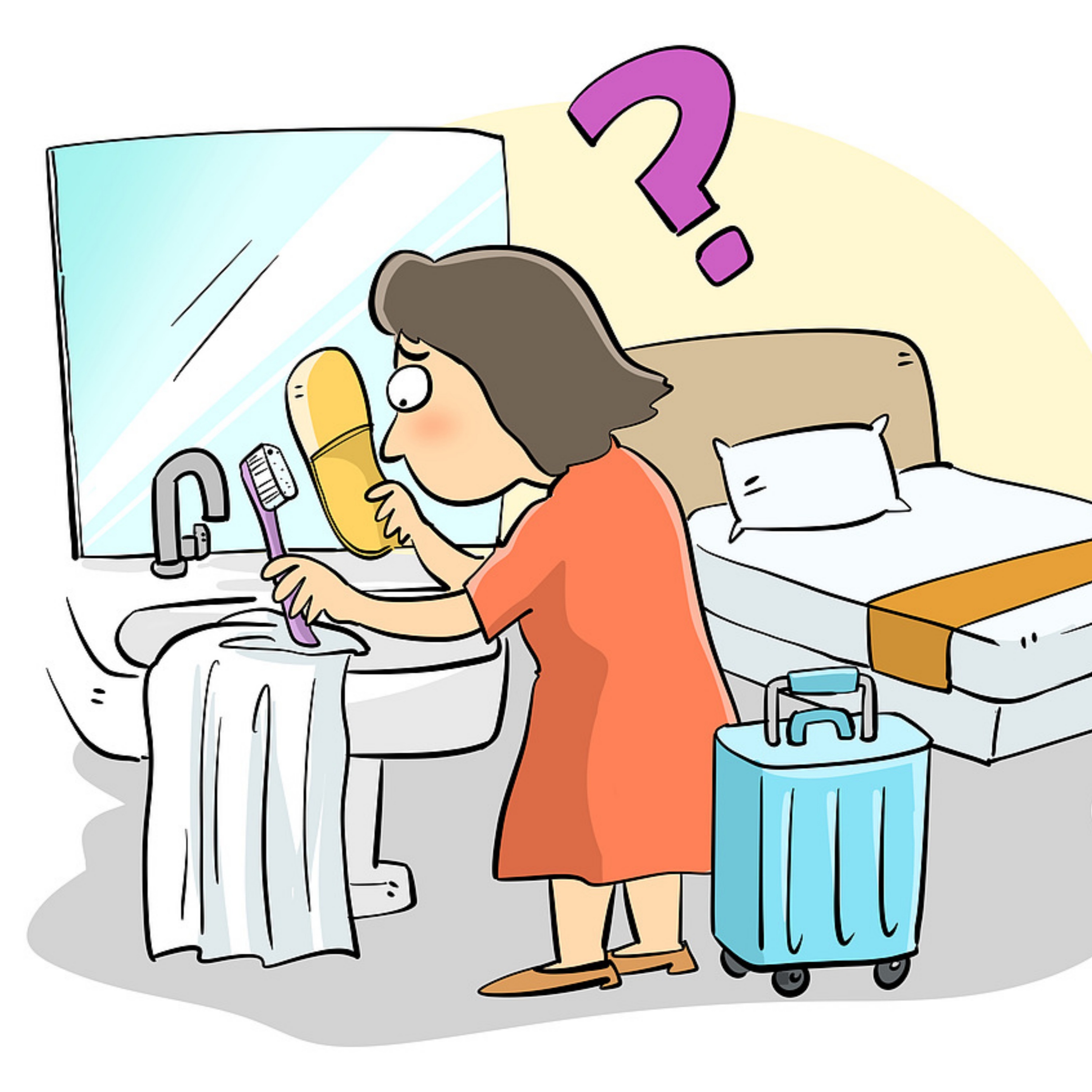
然而对如今许多旅客而言,使用毛巾甚至床品这样简单的举动都成了需要勇气的小冒险。
Yet for many travelers today, the simple act of using the towel or even the beddings has become a small leap of faith.
那些只求在外也能安心的普通人,该抱有什么样的期待呢?
What should be the expectations of ordinary people who just want to feel safe away from home.
大家知道我们很重视听众反馈,'心连心'环节就是我们的回应时间。
And you know we love hearing from you, and Heart to Heart is where we get to respond.
你们发来了想法与疑问,现在该我们发表见解了。
You've sent in your thoughts and questions, and now it's time for us to weigh in.
在今天的'心连心'环节,我们将探讨一个非常有趣的问题,并分享我们的观点。
In today's heart to heart segment, we again will hear a very interesting question, and we will provide our insights.
但首先,虽然我们都喜欢说走就走的周末旅行和经济实惠的短途度假,但某些酒店房间的现实可能远没有这么浪漫。
But first, we love spontaneous weekend trips and low cost to gate getaways, but the reality behind some hotel rooms can be much less romantic.
社交媒体上充斥着曝光重复使用的拖鞋、未清洗的杯子、来历不明的洗浴用品,以及敷衍了事的几分钟快速清洁。
Social media is filled with people exposing reused slippers, unwashed cups, mystery branded toiletries, and cleaning done in minutes rather than with care.
幕后究竟发生了什么?
What's really happening behind the scenes?
多干净才算足够干净?
How clean is clean enough?
对于那些我们曾经不假思索使用的酒店用品,我们真正了解多少?
And what do we really know about the hotel products we used to use without thinking?
为了回答这些问题,让我们先看看当下的实际情况。
To answer all these questions, let's first take a look at the reality these days.
我们在这些酒店里做什么?为什么要这么做?
What are we doing in these hotels, and why are we doing this?
首先,我必须承认我属于接下来要描述的这类人群。
First of all, I have to admit that I belong with this group that I'm about to describe to you guys.
越来越多的人会在旅行时,尤其是住酒店时,尝试携带一次性餐具或一次性用品。
So first of all, more and more people, we're trying to bring disposable utensil or disposable stuff while we're going on a trip with especially when we're trying to stay in a hotel.
这包括一次性床单、马桶垫、拖鞋、压缩毛巾,或者哪怕只是从家里带条普通毛巾也算。
That include disposable bed sheets, toilet seat covers, slippers, compressed towels, or just maybe simply a towel from home, that will count too.
但有时甚至还会带更科技化的东西,比如紫外线消毒器之类的。
But sometimes even more technology related stuff like UV sanitizer to just Wow.
只为让你在住进可能已有数百人使用过的酒店房间时,能保持你想要的洁净程度。
Keep your to keep yourself as stay as clean as you feel like when you're staying in a hotel room that's perhaps used by hundreds of people before you.
有位旅客在网上开玩笑说,他行李箱一半装衣物,另一半全是防护装备。
So one traveler joked online saying that half of my suitcase is closed and when the other half is protective gears.
有人甚至称其为'酒店生存套装',因为包括我在内,大家都觉得在卫生状况存疑的酒店环境中,多几层防护能让你住得更安心。
Some even call them the hotel survival kit because people feel, including myself, that certain amounts of or layers of protection is more well, make makes you feel more comfortable when you stay in questionable hotel hygiene environment?
我有问题要问你
I have questions for you
就在
in just
但这并不新鲜。
But this isn't new.
这种行为并不新鲜,只是变得更频繁了些。
This behavior is not new, but it has become a little bit more intense.
在过去一年左右,越来越多人开始自带物品住酒店。
In the last year or so, more and more people are bringing their own things to a hotel.
在Rednote上,有超过15万条帖子带有酒店一次性用品的标签,这些内容的总浏览量达到了约10亿次。
On Rednote, there were over a 150,000 posts that had the tag of disposable things for hotels, and those got about a billion views in in total traffic.
嗯。
Mhmm.
美团闪购数据显示,一次性旅行用品的销量增长了140%。
Meituan, flash delivery saw a 140% growth in disposable travel goods.
京东上某些一次性床品套装的月销量超过了4万件。
JD showed some disposable bedsheets sets at 40,000 plus monthly sales.
淘宝上一次性床单的搜索量在国庆节前激增近200%,这正是人们集中入住酒店的时段。
Taobao searches for disposable bedsheets surged by nearly 200% right before the national holiday, which is when a lot of people will go and stay in a hotel.
所以乔治亚,
So Georgia,
我并不是一个人。
I'm I'm not alone.
电商网站上很明显能看到,这已成为真实需求,人们显然非常关注酒店的卫生维护情况。
Ecommerce sites, it's evident that this is a real thing and that people are obviously very concerned about the sanitary sanitary upkeep of their hotels.
好的。
Okay.
所以你去了酒店。
So you go to the hotel.
你使用自己的物品。
You use your own stuff.
你甚至带了紫外线灯来清洁所有东西。
You even bring a UV light to clean everything.
可能你还会带些酒精湿巾来擦拭所有表面。
Probably, you will bring some alcohol towel to clean the surface and everything.
两包
Two packs
准确来说。
to be exact.
今年我们每次出差,我行李箱里都会带两包酒精棉片。
Two packs of alcoholic pads in my suitcase every time when we took our business trips this year.
然后你还付钱给酒店?
And then you pay the hotel?
难道不应该是酒店付钱给你清洁房间吗?
Shouldn't the hotel be paying you for cleaning the room?
天啊。
Gosh.
我感觉是的。
I feel like yeah.
你说得对。
You're right.
是啊。
Yeah.
这就是我的问题。
That's my question.
是不是太好了,好吧。
Is it too well, okay.
所以我的问题是,你总是这样做,还是从什么时候开始这样做的?
So my question is, do you always do this, or when did you start doing this?
这是个很好的问题,因为当我回顾我的行为模式时,这些都源于我小时候旅行时我妈妈的做法。
That's a very good question because when I look look at my action pattern, that all comes from how my mom does it when while we took trips when when I was a kid.
因为我妈妈是护士,她对酒店房间里所有东西的卫生可能过度在意。
Because my mom working as a nurse, she cares perhaps overly on the hygiene for everything in inside the hotel room.
她甚至会在酒精棉片还没在中国家庭中普及之前,就用酒精棉片擦拭所有表面。
And she would just clean all the surface with alcoholic pads even before alcoholic pads is a thing between among Chinese families.
她总是告诉我,在公共马桶上,除非你提前清洁或垫上纸巾,否则绝不能直接坐上去。
And she always tell me that in public for seating toilets, you never seat on top of it unless you place you clean it ahead or you place like paper towels on top of it.
我不确定你们是否也有这样的习惯,但
I'm not sure if it's it's a thing for you guys too, but
完全没有。
not at all.
比如,我从小就知道那些座位是不能调整的,如果
Like, I grow up knowing that those seats cannot be set and if
那不一样。
That's different.
那是公共厕所。
That's a public toilet.
而且
And
有时候是公共厕所。
sometimes A public toilet.
有时候隔间里会有一个小分配器,你可以按一下,它就会运转,小纸片就会出来,你可以把它放下来。
Sometimes there will be a little dispenser dispenser inside inside the the stall, and you can press it, and it goes, and the little paper comes out, you can put it down.
嗯哼。
Mhmm.
回到酒店房间。
Back to the hotel room.
所以每次去酒店,你都会自带一次性床单。
So every time you go to a hotel, you take disposable bedsheets with you.
是的。
Yep.
哇。
Wow.
嗯,并不总是一次性的。
Well, not always disposable.
现在我有一套可清洗的床单,专门从家里带出来用于出差,平时在家不用,就为商务旅行准备的。
Now I have washable bed sheets that I bring just from home just for trips that I don't use at home, but it's just for business trips.
哇。
Wow.
让雨珊去出差让我心里过意不去。
I feel bad sending Yushan to business trips.
不。
No.
你做得太过了。
You're doing too much.
好吧。
Okay.
我问你这个的原因是,有些人并非从一开始就这么做的。
So the reason I'm asking you this is that for some people, they didn't start this from the very beginning.
他们开始这么做是因为看了新闻报道。
They started doing it because they read the news reports.
对。
Right.
他们在社交媒体上看到视频和事件——我称之为酒店事件,比如有人用同一条毛巾既擦马桶又擦杯子,还有顾客可能用电热水壶煮自己的衣服,
They watched the videos on social media, and the incidents, I would call them incidents in the hotels of people using the same towel to clean both the toilet and the cup, and some customers using maybe a water boiler to clean their own clothes,
用壶煮衣服。
to boil their own clothes.
是啊。
Yeah.
这些事故发生的概率只有1%甚至不到0.01%,但确实令人毛骨悚然。
These incidents, accidents happened 1% or less than one zero point zero one percent of the time, but those incidents are scary.
足以引起人们的担忧了。
They're enough to make people concerned.
这正是我刚才说的。
That's what I was talking about.
是啊。
Yeah.
前几天我们在办公室聊到这个话题,还讨论过酒店房间里的热水壶。
We were chatting about this story in the office the other day, and we were talking about the teapot in a hotel room.
玉山说,他从来不用那些热水壶。
And Yushan said, I've never used the teapot.
我就问,为什么不用呢?
I said, why not?
你说,因为可能有人用壶煮过袜子。
And you said, people might boil their socks in there.
我当时就想,确实啊。
And I thought, right.
你从没想过这个问题吗?
Never occurred to you?
当然想过。
Occurred to me.
然后我就开始想,这辈子到底喝过多少袜子煮的茶?
And then I started thinking, how much sock tea have I had in my life?
好的。
Okay.
好的。
Okay.
并非每次都这样。
Not necessarily every time
给人的印象是不。
give the impression No.
通过
By the
顺便说一句,这就像一种文化现象,好像每个人都在茶壶里煮内衣——其实并非如此。
way, that this is like a cultural thing and everybody's boiling their underwear in the teapot at the That's not true.
就像你说的,它可能在社交媒体上出现一两次,然后人们就会警惕,之后没人想再用那东西了。
It's just it might pop up on social media once or twice, like you said, and then people are wary of it, and then nobody wants to use that thing anymore.
是的。
Yes.
我接下来的问题是,到底多干净才算足够干净?
And my next question actually is, how clean is clean enough?
我是从家长的角度提出这个问题的。
And I'm asking this from the point of a parent.
作为妈妈,当我的孩子不到两岁时,我几乎清洁他接触的所有东西。
As a mom, when my kid was under the age of two, I clean everything that he touches, almost everything.
我不会允许他在外面的地板上爬行。
And I would not allow him to climb or crawl on the outside world floor.
他在我家里可以那样做,但在游乐场或草地上,我不希望他那样做。
He he could do that in my own home, but when it's a playground or grass, I don't want him to do that.
但渐渐地我意识到,首先,他有能力——更准确地说,是他的免疫系统——抵御外界的细菌。
But gradually, I realized, to start with, he has the ability to well, his immune system, to be more precise, to defend the germ outside.
我甚至应该给他这样的机会,让免疫系统经历足够的战斗,从而知道如何应对外界。
And I should even give him the chance to do that so that the immune system would be going through enough fights so it knows what it's doing against the outside world.
我在想,对于那些不像雨萱这样从小就习惯的人,那些刚开始自带毛巾、床单,甚至带紫外线灯清洁房间的人,你们之前的旅行中是否发生过什么,给你们留下了心理阴影,导致你们总觉得需要时刻保护自己?
And I was thinking, for those who are not like Yuxuan, who's been doing it her entire life, for those who are only bringing started to bring their own towels, their own bedsheets, started to even bring a UV light to clean the room, is there anything that actually happened to you during your previous trips that give you the scar that leads to the fact that you have to feel like you're protecting yourself all the time?
还是说,只是那些非典型但足够可怕的故事吓到了你们?
Or is it just the kind of stories, the not typical but scary enough stories that are scaring you.
你们是不是太爱干净了?
Are you being clean?
有点过度清洁了?
Being too clean?
根据雅虎生活频道2023年的报道,酒店检查研究表明,客人退房后床品经常根本不会更换。
From Yahoo Life 2023, according to studies based on hotel inspections, oftentimes, bedding isn't changed at all after a guest checks out.
Amerisleep的惊人研究显示,在酒店床品方面,五星级酒店的违规次数是四星级酒店的三倍多。
In shocking research from Amerisleep, when it comes to hotel hotel bedding and linens, five star hotels had over three times as many violations as their four star counterparts.
事实上,五星级酒店的违规次数比一星级酒店还多,有些酒店在所有床品项目上都有违规记录。
In fact, five star hotels had more violations than one star hotels with several having bedding or linen violations across the board.
哎呀。
Oops.
听起来真恶心。
It sounds disgusting.
听起来很吓人。
It sounds intimidating and scary.
而且确实,在某些情况下,它可能导致皮肤问题,
And, yes, in certain situations, it might lead to skin problems and
是的,我意识到我没有回答你的问题,这是我的律师思维在作祟,但我对酒店愉快体验的标准不是住完后感叹'哇,我居然没得皮疹'。
Yeah, but I understand that I didn't answer your question, that was the lawyer in me, but my standard for having an enjoyable experience at a hotel is not after my stay saying, wow, I didn't get any skin rashes.
这不该是标准线。
That shouldn't be the bar.
这不该是期望值。
That shouldn't be the expectation.
对吧?
Right?
是的。
Yes.
是的。
Yes.
但与其鼓励或默认人们自带用品的行为,我们是否应该加强监管,确保酒店清洗床单,而不是用同一条毛巾擦地板和桌子。
But instead of encouraging or looking at the fact, not saying anything about people bringing their own stuff, should we be making the regulation stricter, making sure the hotels are cleaning their bedsheets, and they're not using the same towel to clean the floor and the table.
还有我的杯子呢?
And my cup?
是啊。
Yeah.
好吧。
Okay.
那么我们来谈谈这方面的环保问题,因为最近广西等多个地区已出台规定,要求酒店不得主动提供牙刷、梳子、剃须刀或浴擦等一次性用品,除非客人主动索取。
So let's talk about the environmental side of this because several regions, most recently Guangxi, they've proposed rules requiring hotels not to proactively provide single use items like toothbrushes or combs or razors or bath sponges unless guests ask for them.
这是在2019年国家出台指导方针之后实施的,要求全国星级酒店到2022年停止提供大部分一次性塑料用品。
That comes after national guidelines were issued in 2019, which require star rated hotels across the country to stop offering most single use plastic amenities by 2022.
对。
Right.
现在如果我们认为酒店采取这些措施是为了保护环境,而我们却购买并携带一次性塑料制品之类的东西入住酒店。
Now if we think the hotels are making these taking these steps to protect the environment, and then we're buying and bringing single use plastics or whatever to the hotels.
这就本末倒置了。
Defeats the purpose.
完全适得其反。
Totally defeats the purpose.
对吧?
Right?
所以酒店正在努力保护环境,而我们却把让环境更糟糕的东西带进酒店,这种情况有点讽刺。
So the hotels are doing something to try to protect the environment, but then we're bringing things into the hotel make it worse for the environment, and it's kind of an interesting odd situation.
只有当事情开始影响到人们时,我认为这种担忧才会真正产生。
Only when things start to concern people, I think that's when this whole concern rises in the first place.
因为假设酒店为所有人提供了足够安全的环境,我们刚才提到的新闻从未发生,那么我行李箱的三分之一空间原本就不需要装满那些一次性用品。
Because if let's imagine the hotels are are providing a safe enough environment for everybody and that news we just touched upon never happened, then need not that one third part of my suitcase should be occupied of all those disposable stuff in the first
这正好是我要问的另一个问题。
That was gonna be another question of mine.
比如,你行李箱里有多少空间是用来装一次性床单、毛巾这类东西的?
Like, how much of your suitcase is dedicated to disposable linens or towels or what have you?
你需要花多长时间打扫房间才能坐在沙发上?
And how long does it take for you to clean the room before you can sit on one of the couches?
是啊。
Yeah.
哦,你怎么知道的?
Oh, how do you know?
我沙发上有块区域只穿外出衣服时才坐。
There's a certain part of my couch that only sit with clothes that I wear outside of my home.
不过,其实也没那么糟。
But, anyways Isn't too bad.
对我们这种从小养成这种习惯的人来说可能太晚了,因为改变习惯真的会让人感到不适。
It's it's too late for people like me perhaps who grew up with this habit because changing habits might, you know, make us feel uncomfortable, like genuinely uncomfortable.
但我明白你的意思,红林,你提到改变对子女教育的看法,我在社交媒体上也看到很多家长有同感。
But I do get your point, Hong Lin, when you mentioned how you changed your mind with the children upbringing, and that's shared by many parents that I've seen on social media as well.
比如,我们该如何让下一代意识到卫生标准可能比我们现在做得更好?
Like, how are we asking our next generation to realize the hygienity standard is perhaps more than how we're doing it right now?
就是那个...那个...你怎么说来着?
Like, the the the the what what did you call it?
你体内从很小就开始形成的自我保护机制。
The self protection function in your body, that's formed ever since at a very young age.
所以即使两岁以下的孩子可能会把很多东西放进嘴里,到处乱摸。
So even though under two year old, the the kid might be putting a lot of things in his mouth and he could be touching everywhere.
这也是他身体成长的过程。
That's a growing process for his own body as well.
所以也许在未来,这应该不再是个大问题。
So perhaps in the future, it's it should be less of a concern.
我是说,老实讲,我认为现在这根本不算什么大问题,至少不应该算。
I mean, I I honestly don't think it's that much of a concern now, or at least it it shouldn't be.
只是卫生丑闻往往会在公众记忆中挥之不去,对吧。
It's just that hygiene scandals tend to stick in public memory Right.
对。
Right.
而且这种情况会持续很久,中国不同城市都曾出现过个别案例。
For a long time, and there have been isolated cases in different cities in China.
这在美国、英国、澳大利亚和加拿大肯定也是如此。
And this would be true in America, in England, in Australia, in Canada for sure.
但中国饭店协会2023年的检查报告显示,五星级酒店的床品更换率达98%,四星级酒店达93%,可公众情绪依然如此。
But the China Hospitality Association inspection report from 2023 showed a 98% linen replacement rate in five star hotels, 93% in four four star hotels, but still public sentiment says this.
这是一位旅客的原话。
This is one quote from the from a traveler.
我不相信这个——我相信统计数据。
I don't believe this I believe the statistics.
我只是不信任我的房间。
I just don't trust my room.
我只是不信任这种概率。
I just don't trust the chance.
嗯。
Mhmm.
嗯。
Mhmm.
事情是这样的。
So here's the thing.
我们知道有时候你们带到酒店的一些设备或物品可能对环境有害,而你们并非有意为之。
We know sometimes some of the equipment or some of the items you bring to the hotel can be harmful for the environment, and you don't necessarily want to do that.
你们只是太害怕了,所以才这么做。
You just are too scared so that you're doing it.
这是针对顾客的。
That's for the customers.
而对酒店来说,他们不希望自己的声誉受到损害。
And for hotels, they do not like their reputation reputation to be contaminated.
他们不希望人们认为他们的茶壶再次被污染了。
They do not like people to think that their teapots are, again, contaminated.
酒店能做些什么来重建信任,让旅行体验更加愉快呢?
And what can the hotels do to restore the trust, to make the travel experience more enjoyable.
这对酒店来说无疑是一个压力点,但也是他们在整个过程中进化成长的良机。
Well, it's totally one pressure point for the hotels, but also good opportunity for them to evolve and grow in this whole process.
因为当,
Because when well,
一些大型连锁酒店已经开始尝试将卫生工作从幕后转移到客人能亲眼所见的地方。
some major chain hotel chains have already trying to move hygiene from behind the scenes to something guests can actually see for their own eyes.
嗯。
Mhmm.
因此,部分计划是让部分酒店在一年内使用认证的洗衣供应商,目标覆盖其半数酒店。
So some plan some will just aim for half of its hotel to use certified laundry suppliers within a year.
此外,旅行酒店集团还引入了一个透明的四级精益管理系统,这样在我们入住酒店之前,甚至在预订时,就能提前了解酒店的管理状况。
And also, Travel Hotel Group has also introduced a transparent four level lean in management system so that when even before we get in the hotel, when we're booking a hotel, we can already see how it's been managed before we arrive.
是的。
Yeah.
更进一步,福州有家酒店安装了智能芯片,让客人能查看床单、毛巾甚至杯子的确切更换时间。
And to take it a step further, there's a hotel in Fuzhou that installed smart chips that let guests check the exact replacement time of sheets and towels and even cups.
这让顾客能准确知道物品何时被更换过。
So it allows the customer to know exactly when things were changed.
这也是个好主意。
That's a good idea too.
嗯。
Mhmm.
嗯。
Mhmm.
您正在收听的是《圆桌派》。
You're listening to Roundtable.
接下来即将播出的是《圆桌派》的《心对心》环节。
Coming up next, Roundtable's Heart to Heart.
别走开。
Don't go away.
你问。
You ask.
我们回答。
We answer.
圆桌会议,心与心的交流。
Roundtable, part to heart.
等一下。
Hold on.
我得去拿点爆米花来配这个。
I gotta get my popcorn for this one.
这个不错。
This is a good one.
确实不错,这是我和Nihong Lin、Steve Hatherley以及Yu Shen的圆桌讨论。
It is a good one, and it is roundtable with myself, Nihong Lin, Steve Hatherley, and Yu Shen.
我们将进入心连心环节,收到了Bruce发来的语音留言。
We are going to the heart to heart segment, and we have a voice memo from Bruce.
圆桌中国团队的各位老师,你们好。
Dear teachers of the Roundtable China team, greetings.
我是Bruce,你们的老朋友。
I'm Bruce, old friend.
最近我遇到了一个相当困扰的问题,想和大家分享。
Recently, I've run into a quite disturbing issue, and I would like to share it with you.
希望能得到一些宝贵建议。
Hoping to get some valuable advice.
我和妻子都是普通上班族,收入稳定但不富裕。
My wife and I are ordinary office workers with a stable but not wealthy income.
然而不久前,她背着我偷偷借了2万元(约合1400美元)给她做生意的姑姑,完全没告诉我。
However, some time ago, she secretly lent 20,000 yuan, about $1,400 to her aunt who runs a business without telling me at all.
我并不反对帮助亲戚,但这种隐瞒不商量的行为让我既感到被欺骗又不受尊重。
I'm not opposed to helping relatives, but this act of concealing and not consulting me makes me feel both deceived and disrespected.
当时她姑姑承诺一个月内就会还钱。
At that time, her aunt promised to repay the money within a month.
但半年过去了,这笔钱依然没还。
But half a year has passed, the money is still unpaid.
有趣的是,他们家有两辆豪车,一辆奔驰一辆宝马。
Interestingly, their family have two luxury cars, a Mercedes and a Beamer.
而且她出门总是光鲜亮丽。
And she always looks good when going out.
但据我所知,他们夫妻俩完全是月光族。
But from what I know, she and her husband are total paycheck to paycheck.
几乎存不下钱,遇到急事还得向别人借钱。
They seldom save a penny and even have to borrow money from others when emergencies pop up.
你们身边有没有这种拆东墙补西墙的人?住着好房子开着豪车,却总是缺钱。
Do you have anyone around you who lives such a robbing Peter to pay Paul life, owning nice houses and fancy cars, but constantly short on cash?
不知道在座各位或观众有没有这样的亲戚,或遇到过类似的烦恼?
I wonder if any of you or viewers have this kind of relatives or encountered similar troubles.
当面对这种善意忽视伴侣感受的情况时,我们该如何平衡亲情、信任与家庭边界?
When facing such a situation where kindness overlooks the partner's feelings, how should we balance family ties, trust, and family boundaries?
我真诚期待大家的回答。
I sincerely look forward to your answers.
祝愿《圆桌议事》节目持续成功,继续为观众带来温暖而有价值的内容。
Wish Roundtable China continued success and keep bringing warm and valuable content to the audience.
谢谢。
Thank you.
谢谢你,布鲁斯,也非常感谢你发来的语音备忘录。
Thank you, Bruce, and thank you so much for sending in the voice memo.
同时,感谢你的信任,与我们分享你生活中的真实关切。
At the same time, thank you for your trust, sharing with us your real concern in your life.
那么你怎么看?
So what do you think?
你遇到过那种靠工资过活却维持奢侈生活方式的人吗?
Have you ever encountered people like that who live paycheck by paycheck yet with a luxurious lifestyle?
还有你对家庭共同资金管理有什么看法?
And what do you think about, you know, family management of
你们共有的钱?
your shared money?
我当然有一个大家庭,其中某些远亲也存在类似问题,这里就不具体点名了。
I certainly have a large family who share similar issues with certain distant family members that I'm not going to name in particular.
但布鲁斯,这是我的感受。
But here's what I feel, Bruce.
我可能没资格给你建议,因为我没有结婚,也没有经历过足够长的感情关系来对这个问题发表意见。
I might be underqualified to to tell anything to you since I'm not married and I haven't been in a long enough relationship to, you know, voice any opinions on on this concern.
但你确实提到,你最失望的是妻子在把钱挪作他用之前没有真正征得你的同意。
But you did share that your biggest, let's say, disappointment here is on the fact that your wife didn't really got your consent before the money is used elsewhere.
她愿意尝试,这是非常好的姿态。
It's a very nice gesture of her to try
抱歉。
to Sorry.
公平地说,他并没有提到同意。
To be fair, he didn't say consent.
哦,更确切地说
Oh, rather
他只是说她没告诉我。
He just said she didn't tell me.
是的。
Yeah.
是啊。
Yeah.
所以这是个重点。
So It's an important point.
对。
Yes.
正如你所说,你妻子试图帮忙是很好的举动,但如果这里涉及和使用的是你们小家庭的共同资金,那么我建议进行一次彻底的交谈,与你妻子深入沟通你的失望和真实想法是很有必要的。
It's it's a nice gesture that that your wife is trying to help out like you mentioned, but if it's the money of your individual small family that is being mentioned and used here, then, yeah, I would advise that a very thorough chat or talk, make it a talk, a a deep conversation with your wife about your disappointment and your true thoughts is kinda necessary.
嗯。
Yep.
我这边就这些。
That's all from my side.
嗯。
Mhmm.
是啊。
Yeah.
我猜,史蒂夫,从你现在的姿势来看,他有很多要分享的。
I guess, Steve, judging by your posture right now, he has a lot to share.
哦,布鲁斯。
Oh, Bruce.
所以你很生气,布鲁斯,我认为你有权生气,但在我看来,这是佛系级别的应对方式。
So you're upset, Bruce, and I think you have a right to be upset, but here is the kind of Buddha level, in my opinion, response to this.
显然,你想说,你怎么能这样对我?
Obviously, you wanna say, like, how could you do that to me?
你怎么能这样,那是我们的钱。
How could you that's our money.
你借钱出去甚至都没先跟我商量,也没制定计划,这就是为什么你觉得被欺骗和不被尊重。
You loaned it without even consulting me first and making a plan for this, and that's why you feel deceived and that's why you feel disrespected.
但这是我在任何冲突中都会尝试做的。
But here's what I try to do in any type of conflict.
与其盯着已发生的行为,不如试着去理解行为背后的原因。
Rather than look at the action that happened, try to look at the reason for the action that happened.
嗯。
Mhmm.
所以事情是她借出了钱?
So what happened was she loaned money?
好的。
Okay.
随便你怎么想。
What you know, whatever.
是两万。
It's 20,000.
这笔钱数目不小,但也不至于关乎生死存亡。
It's a lot of money, but yet it's not like make it or break it life ending money.
对吧?
Right?
所以我认为,真正的问题在于她为什么没跟你分享这个消息?
So the real question here, I think, is why didn't she share that information with you?
我觉得是因为她知道你不会同意。
And I think it's because she knew you wouldn't agree.
也许是,也许不是。
Maybe or maybe not.
但布鲁斯,与其跑去指责她'你不尊重我、欺骗我'这样一味地'你你你'——
But I think as a response, Bruce, rather than going to her and saying, you know, you disrespected me, you deceived me, you're saying you, you, you, you.
你只是在单方面陈述自己的立场。
You're you're explaining it from your side.
我说这是佛陀境界,是因为你何不试着站在她的角度想想:为什么她不敢先来找我商量?
But the reason I said Buddha level is because why don't you try to think about it from her side and think, why didn't she feel comfortable coming to me with this first?
然后用这种态度去和她沟通。
And approach her with that kind of Right.
态度问题而非谈论不尊重的欺骗行为。
Attitude rather than talking about the disrespect deception.
你那时只是在为自己辩护。
You're just being defensive at that point.
你真正需要做的是尝试触及问题的核心或根源,这样或许能避免再次发生。
What you really wanna do is try to get to the heart of the issue or the root of the the problem here so that it perhaps doesn't happen again.
嗯。
Mhmm.
不同的家庭有不同的理财方式。
And for different families, they have different ways to manage their own money.
比如在我家,我并不清楚我丈夫每月具体赚多少钱,也不知道他是否了解我的收入。我们有点过于随意,但并非不负责任,算是自由派吧?
For example, in my family, I don't know exactly every month how much my husband earn, and I don't I don't know if he knows my We're just a little too care not careless, but not Free soul?
有一点吧。
A little bit.
但在涉及家庭资金的重要决策时,我们肯定会进行沟通。
But we definitely make have conversations with major decisions when it has something to do with the family money.
而且我们彼此信任,即便我们的账户是分开的。
And also, we trust each other in the sense that we even our accounts are separately.
但我们的决策是共同做出的。
Our decision making is jointly.
或许你可以和你妻子谈谈,因为我们曾经在消费观念上也有过分歧。
And maybe you can talk to your wife because we had a phase of not really on the same page when it comes to spending, let's say, beliefs.
我们的消费方式不同,我常买昂贵食材,而他有时会把钱花在电子产品上。
We'd have different consumption ways, and I buy too expensive food when he sometimes only spends that kind of money on gadgets.
所以这有点不同。
So it's a little bit different.
应该把她所有的钱都花在一次性床单上
Should spend all her money on disposable bedsheets
用在其他事情上。
for other things.
是的。
Yeah.
确实如此。
That's true.
所以无论如何要与配偶保持一致。
So be on the same page with your spouse no matter.
你们不需要对金钱有完全相同的理解,但至少需要能够沟通并了解彼此的情况。
You don't have to have the exact same understanding about money, but at least you need to be able to talk to each other and know each other's situation.
这更重要。
That's more important.
今天的圆桌讨论就到这里结束了。
And that brings us to the end of today's roundtable.
非常感谢大家的收听。
Thank you so much for listening.
我是Niall Hong Lin,与玉山和Steve一起。
It's me, Niall Hong Lin, with Yushan and Steve.
我们下次再见。
We'll see you next time.
关于 Bayt 播客
Bayt 提供中文+原文双语音频和字幕,帮助你打破语言障碍,轻松听懂全球优质播客。