本集简介
双语字幕
仅展示文本字幕,不包含中文音频;想边听边看,请使用 Bayt 播客 App。
讨论让世界运转。
Discussion keeps the world turning.
这里是圆桌会议。
This is Roundtable.
您正在收听圆桌会议。
You're tuned in to Roundtable.
我是史蒂夫,今天与雨顺和菲菲一起主持。
I'm Steve joined today by Yushun and Fei Fei.
接下来,这里有一个问题。
Coming up, here's a question.
问题。
Question.
你一生中会退休多少次?
How many times in your life do you retire?
等你回答,你可能只说一次。
Waiting for you to answer, you probably just said once.
但你确定自己没错吗?
But are you wrong?
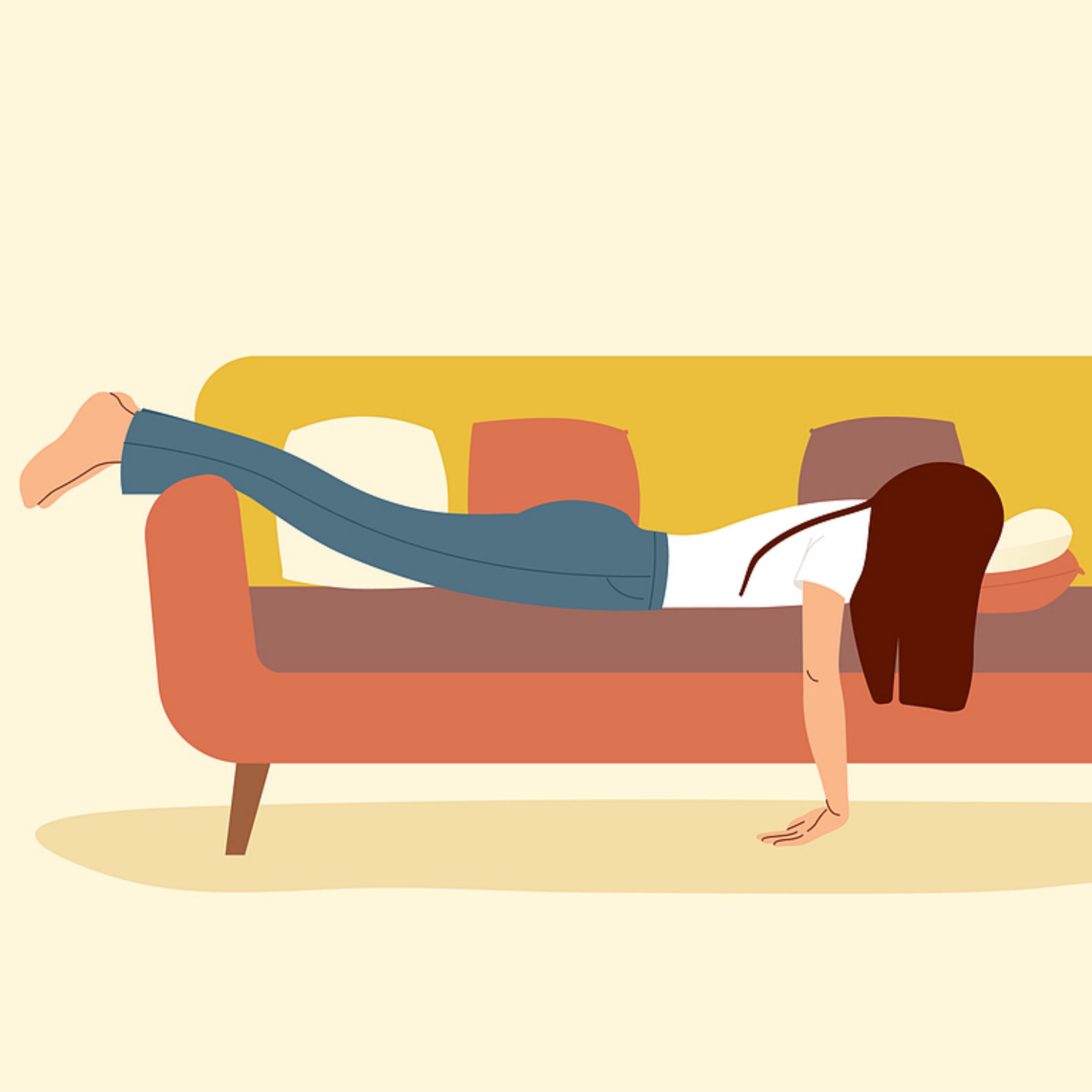
如今一股新兴的职场人士正流行休整假。
A new wave of workers is taking recovery breaks now.
这种长达数月的脱产期被称为'微退休'。
Months long disconnections called micro retirements.
我们将剖析推动这一趋势的职业倦怠现象及其真实风险——用未来保障换取当下清醒的代价。
We'll unpack the burnout driving the trend and the real career risks, and there are risks of trading future security for present sanity.
之后我们将探讨:人类用音乐调节情绪,但宠物是否需要专属歌单?
After that, we use music to manage our own mood, but does your pet need its own playlist?
答案并非简单的'需要'。
The answer isn't a simple yes.
这涉及物种特性、压力类型,以及那些真正能安抚毛孩们的意外曲目。
It's a question of species and stress and the surprising soundtracks that can genuinely calm our furry family members.
播客听众可在苹果播客平台搜索'圆桌议事中国'关注我们。
Our podcast listeners can find us at Roundtable China on Apple Podcasts.
别忘了,我们很乐意听到您的声音,请将您对我们节目中讨论话题的任何想法通过语音留言发送给我们。
And don't forget, we love hearing your voice, so send your voice notes our way with any of the thoughts that you might have on the things that we discuss here on the show.
联系方式如下:圆桌播客邮箱地址是qq.com。
Here's how you get in touch, roundtable podcast at qq.com.
再次重复,圆桌播客邮箱地址是qq.com。
Once again, roundtable podcast at qq.com.
如今,我们都梦想着退休——那个或许在60或65岁左右才能实现的、被长期延后的自由承诺,但一种新趋势正在挑战这一整个体系。
And now, we all dream of retirement, that long deferred promise of freedom around 60 or 65 perhaps, but a new trend is challenging that entire structure.
它被称为'微型退休'。
It's called the micro retirement.
也有人称之为'迷你退休',本质上是指从职场生活中暂时性主动退出,时长从几周到数月不等。
Some call it the mini retirement, and it's essentially a temporary intentional exit from your working life lasting anywhere from a good few weeks up to several months.
有趣的部分来了。
Here's the interesting part.
这个概念其实并不新鲜。
This concept isn't actually new.
这个术语早在2007年由蒂姆·费里斯在其著作《每周工作四小时》中推广开来。
The term was popularized way back in 2007 by a guy named Tim Ferriss in his book called The Four Hour Workweek.
费里斯将其视为新贵阶层的工具,作为设计生活方式的一部分,在职业生涯中穿插频繁的休息来即时享受生活。
Ferriss envisioned it as a tool for the new rich, a part of a designed lifestyle where you sprinkle frequent breaks throughout your career to enjoy life now.
但如今,Z世代正在重新定义这种微型退休——不是作为奢侈的生活方式选择,而是对抗长期职业倦怠的生存策略。
But today, Gen Z is redefining this micro retirement not as a luxury style choice, but as a survival tactic against chronic burnout.
这是一种彻底的抽离。
It's a complete disconnection.
这是一个完整的重置按钮。
It's a full reset button.
但这种现象揭示了现代职场怎样的现状——当年轻人感到必须辞职几个月只为了短暂休息?
But what does it tell us about the state of modern employment when young people feel compelled to kind of quit their jobs just for a couple of months rest?
除了能获得的心理健康益处外,他们选择当下自由而非未来保障所承担的重大财务和职业风险又该如何看待?
And beyond the mental health benefits that you would get from that, what about the serious financial and career risks that they are taking by choosing present freedom over future security?
这是个有趣的概念。
It's an interesting concept.
我很惊讶地发现这个概念并不新鲜。
I was surprised to learn that it's not new.
它确实可以追溯到2007年,但某种程度上已经被重新定义了。
It does go back a long way to 2007, but it's kind of been redefined.
那么在2025年的今天,微型退休究竟是什么?Z世代对它的应用与大约二十年前相比发生了哪些变化?
So in this year 2025, what exactly is a micro retirement and how has Gen Z's application of it changed from maybe almost twenty years ago?
是的。
Yeah.
我认为现在的小型休假或微型休假的特点在于其目的和持续时间。
Now I think the mini requirement or micro requirement is characterized by its purpose and duration.
它是一种短暂而有意的职业暂停,通常持续两周到几个月不等。
And for it's a it's a short of a short deliberate career poor pause typically lasting between two weeks up to several months.
持续时间很关键,因为它要足够长以完全脱离工作,但又不能太长,只是短暂休息。
And so the duration is critical because it's long enough to have this short this breakaway from your career entirely, but not completely that you just have a short break.
而且它通常可以计划为频繁进行,每隔几年就重复一次。
And it can often it can often planned to be frequent, reoccurring every every few years.
因此,与其等待数十年直到60、65或70岁才迎来那个盛大的退休时刻,你可以开始采取更短、更频繁的休息,这不仅能确保职业生涯中更高的生活质量,对Z世代而言,现在可能已成为一种必要,以逃离他们在工作场所经历的倦怠。
So instead of waiting for decades till you are 60 or 65 or 70 for that big retirement announcement, you can start taking shorter, more frequent breaks that can ensure a higher quality of life throughout your career and can also now think be a necessity for Gen Zs to to escape away from the burnout that they experience in their work places.
所以逃离这种持续在线的职场文化。
So escaping this kind of always on work culture.
这是否意味着你需要先更努力工作,才能在经过这样一段时间后获得更多假期,然后拥有那种间隔期?
Does does that mean you need to like work more so that you can have more holidays after that kind of period of time and then you have that kind of gap.
嗯,我认为这涉及到风险时是个大问题。
Well, think that's a big question when it comes to the risk.
怎么,是啊。
How yeah.
风险以及公司如何应对,不过我们稍后会讨论这一点。
Risk and then how companies are responding too, but we'll get to that in a little while.
有统计证据支持这是一个增长趋势。
There is statistical evidence to support that this is a growing trend.
一项大型全球调查显示,近半数美国Z世代员工(这个现象最初源自美国,但全球范围内也是如此)46%的人预计会在两年内离开当前雇主。
There was a major global survey that showed that almost half of Gen Z workers from America, this is where the story initiated, yes, but also globally too, 46% anticipate leaving their current employer within two years.
这对雇主来说可不是好消息。
That's not good for the employers.
是啊。
Yeah.
这种高流动性充分表明Z世代可能在寻找更适合的工作,同时也普遍试图避免职业倦怠。
It's really high mobility and it's kind of indicative of Gen Z searching for perhaps for a better fit work wise, but also just trying to avoid burnout in general.
这就像职业间歇期。
It's like a career pause.
我想我们可以这么看待它。
I suppose we can look at it like that.
此外,35岁员工中有相当比例的辞职是为了自我关爱。
Also, there's a significant portion of resignations among workers 35, and that is being done for self care.
另一项研究发现,35%的Z世代员工是裸辞的。
There was another study that found thirty five percent of Gen Z workers who quit their jobs did so without another job lined up.
没错。
Yeah.
他们这么做的原因是表示自己精疲力尽,需要人生重启,而只有微型退休才能实现这一点。
And the reasons they did that was because they said they were exhausted, they needed a life reset, and only a micro retirement could provide that.
我再分享几个统计数据给大家。
I'll share just a couple of more statistics for you here.
全球超过半数(54%)的员工表示正在积极思考如何管理自己的精神负荷。
More than half of employees globally, 54%, say they're actively thinking about how to manage their mental load.
这再次说明工作压力可能导致人们选择微型退休。
Again, that's talking about the work stress which could lead to a micro retirement.
约42%的年轻工作者表示对职业生涯中某个阶段休一年长假有浓厚兴趣。
And then about forty two percent of young workers report that being, reported being highly interested in taking a year long sabbatical at some point in their career.
与婴儿潮世代相比,这个比例只有23%。
And when you compare that to baby boomers, that was only twenty three percent.
所以这些年轻工作者如今承受着巨大压力。
So these young workers are under a lot of stress these days.
他们确实压力山大。
They're under a lot of stress.
根据这些统计数据,他们不愿意仅仅忍受这种压力。
And according to these statistics, they're not willing to simply live through it.
是的。
Yes.
没错。
Exactly.
而且我认为这也某种程度上表明了他们对工作看法的思维转变。
And I think also it sort of indicates a change of mindset of how they view work.
比如,我认为婴儿潮一代可能将工作视为生活中不可或缺的必需品。
I think, for example, for baby boomers, they may view work as essential and necessity in their life.
但现在的Z世代可能想说,工作不应该是生活的全部,而只是其中的一部分。
But maybe now what Gen Z is saying is that work, it shouldn't be the center of my life but shouldn't we only be a part of it.
所以我不应该100%地全身心投入工作。
So I shouldn't be, you know, 100% dedicated to it.
听起来我们像是在指责某一代人,但这其实也与整个社会和市场的变革有关。
It sounds like we're kind of blaming a generation of people but it's it's also connected with the whole change of the society and maybe the market as well.
因为如今在公司工作,竞争无处不在且可能相当激烈。
Because when you're working in companies nowadays, the the competition is there and can be quite fierce.
当你想要保住一份工作或找到工作时,这可能已经颇具挑战性了。
When you want to keep a job or having a job, it can be already, like, challenging.
所以我认为年轻人或Z世代有理由声称承受着高压。
So I think it is, like, young people or Gen Z, they are, like, claiming that having high level of stress for a good reason.
我会说这种模式相当不错,它给了人们真正体验或拥有时间的机会——因为我们之前讨论过间隔年这个概念。
And I would say this kind of mode is quite good and giving people an opportunity to actually experience or have the time because because back then, we talked about gap year.
对吧?
Right?
人们会辞职去度过间隔年,之后可能再重返职场。
People quit their job and take a gap year maybe and then after go back to workplace.
是的。
Yeah.
学生有时也会这样做。
Students will do that sometimes too.
是的。
Yeah.
所以我认为这甚至可以说是一种风险更小的间隔年,因为你仍然受雇于这家公司,但可以有时间真正恢复或休息。
So and then I think this is a a even a gap year with less risk, I would say, because you can you are still employed in this company, but you can have time to actually maybe recover or to rest.
嗯,我认为风险是存在的。
Well, the risks I think, are are there.
我不认为这是无风险的。
I don't think this is I don't think this is risk free.
我马上会谈到这一点。
And I'll I'll talk about that in just a sec.
但我首先很好奇。
But I'm curious first.
这种微型退休的概念,在中国职场文化中行得通吗?如果你去跟老板说,我想休息四个月再回来工作?
Would this concept of a micro retirement, would this go over well in Chinese work culture if you approached your boss and said, I would like to take a break for four months and then come back to my job?
你觉得这听起来怎么样?
How does that sound?
你会期待得到什么样的回应?
What kind of response would you expect?
嗯,不,当然不行。
Well, no, of course.
四个月,你在想什么呢?
Four months, what are you thinking?
嗯,那就是微型退休。
Well, that's a micro retirement.
但我认为目前在我们的制度中,没有足够长的假期可以延长到数月之久。
But I don't think right now in the systems, we have a vacation that's long enough to be can be stretched out into months.
而且,我觉得
And also, I think
除非是产假?
Unless the maternal leave?
是的。
Yeah.
产假
The maternal
那是不同的。
leave That's different.
当你提交你的,你知道的,病假条或医院证明时。
Where you handing your, you know, hospital leave, sick leave ticket.
但如果你只是为了爱好或副业而请假几个月,我认为目前很多公司都不会支持这种做法。
But you're if you are just taking days off or months off just, for example, for a hobby or for a side projects, I don't think a lot of companies will be very supportive of that currently.
是的。
Yeah.
我想说有类似的情况,例子是有的,但并不完全相同,因为你可以通过加班积累大量调休假。
I would say there are, similar situations, right, examples, but they are not exactly the same because you can actually, like, accumulate a lot of compensatory leave and then from work overtime.
然后把这些调休假和常规假期结合起来,就能休一个稍长的假期,可能长达一个月或几周,这大概是我能想象到的最长假期了。
And then combine these leave, also your regular vacation days to take a slightly longer break, maybe long enough to be one month or several weeks, that that's, I think, the the the longest vacation I that I can imagine.
既然你刚才提到了,那我们来谈谈长期休假的风险吧。
If you take an extended break let's talk about the risks now since you brought it up a moment ago.
微型退休并非一种权利。
A micro retirement is not a right.
它更像是一种特权,但同时也伴随着经济代价。
It's kind of a privilege, but it also does come with a financial toll.
是的。
Yes.
这是可以想办法解决的。
That can be worked around.
你刚才简单提到过。
You mentioned it briefly.
公司们正在尝试适应调整。
Companies are are kind of trying to adjust.
顺便说一句,是部分而非全部公司这样做。
Some, not all, by the way, but some are.
但对员工个人而言也存在风险。
But there are there are risks for the employee themselves.
是的。
Yep.
当然,这会让你花很多钱。
It's gonna cost you a lot of money, of course.
这可能会耗尽你的积蓄或增加你的债务,但我认为最大的风险可能是职业停滞,在职业发展上原地踏步。
It's gonna drain your savings perhaps or increase your debt, but I think maybe too, the biggest risk might be for career stagnation, stuck treading water career wise.
想想看。
Think about that.
你要离开办公室几个月去休息一下。
You're stepping away from the office for a few months for a break.
办公室里的生活并不会停止,它仍在继续,因此你可能会错过晋升的机会。
Well, life doesn't cease to exist in the office, it carries on, so therefore the opportunities for promotion might be missed.
而且,即使你的公司允许这种微型退休,也许那里有一种不言而喻的惩罚。
And maybe, even if your company allows this kind of micro retirement, maybe there's an unspoken penalty there.
也许是来自管理层的,尽管他们批准了,或者是来自同事的,他们可能会看着你说,真懒。
Perhaps from the management even though they approved it, or perhaps from your coworkers who might look at you and say, lazy.
是的。
Yeah.
对我们的团队不够投入。
Not committed to our team.
对我们的公司不够忠诚。
Not committed to our company.
这也可能导致投诉。
That can also lead to, for example, complaints.
比如,如果你离职一个月,而工作仍需由他人完成,这意味着团队中其他人需要接手这个项目。
For example, if you walk away from your work for, let's say, one month, and that work still needs to be carried out by somebody else, and that means somebody else in your team need to carry on with that project.
这可能导致团队内部在如何重新组织和协调工作量方面出现问题。
So that can also lead to problem within the team about, you know, how to reorganize and coordinate this workload.
所以谈到微退休这个话题时,我认为由此产生的不安全感和不稳定性至少对我来说是个大问题。
And so when it comes to, you know, this topic of micro retirement, and I also think the the insecurity and instability that can come out of it is also a big concern for me at least.
嗯。
Mhmm.
我实在无法想象在没有下一份工作安排的情况下就离职。
I just can't imagine walking away from a job with no, you know, no one lined up in the next.
不。
No.
但微型退休不同,你并不是辞职。
But you can with a micro retirement, you're not quitting.
对吧?
Right?
嗯。
Mhmm.
协议规定你会回来继续工作。
The the agreement is you are coming back to your work.
你的职位会保留。
Your position will be there.
嗯。
Mhmm.
但你对此仍会感到内疚吗?
But would you still feel guilty about it?
我会的。
I would.
是啊。
Yeah.
我认为另一个方面是,有些人可能会担心,好吧,我离开了一个月或半年,但团队运作依然顺畅,这意味着这个人是可以被替代的,因为团队不需要你也能运转得这么好。
I think another aspect is that some people may worry about, okay, I've left for maybe a month or half of a year, but the operation of the team is working smoothly, and that means that person is replaceable because the team doesn't need you and they can operate so good.
但这并不意味着你没有价值。
Well that doesn't mean that you're not valuable though.
这并不意味着你对团队没有很多贡献。
It doesn't mean that you don't have a lot to contribute to the team.
认为如果我走出这栋大楼,这家公司就会不复存在,这种想法有点傲慢。
It's a bit arrogant to think if I walk out the door of this building, this company will cease to exist.
不知道这适用于多少人。
Don't know how many people that would apply to.
是的。
Yeah.
这是另一个角度,当人们担心自己的存在会影响团队时,因为很多时候人们会认为自己对某件事负有专属责任,对吧?
That's another perspective and when people are like worrying about my existence may affect the team because a a lot of times people have that occupation for that thing, right?
而如果你不在场,事情却进展顺利。
And and if you're not there and the thing goes well.
好吧,让我来说。
Well, let me okay.
让我在这里稍微挑战一下你们的观点。
Let me challenge you guys a little bit here.
中国的产假是六个月。
Maternity leave is in China, it's six months.
八个月,哦,
Eight Oh,
根据公司不同,可以延长到四到八个月。
it can be spread to from four months to eight months depending on the companies.
这是否意味着怀孕的女性在公司里是可被替代的?
So does that mean a pregnant lady is replaceable in the company?
这是同样的问题,不是吗?
It's the same kind of question, isn't it?
你知道,你要离职,要花时间抚养孩子。
You know, you're leaving, you're taking time off to raise your child.
但在这个微型退休中,你是花时间照顾自己。
But here in this micro retirement, you're taking time off to take care of yourself.
这有什么不同呢?
Why is that different?
没什么不同。
It's no different.
但你知道,说到产假,那也存在问题。
But, you know, when it comes to maternity leave, there is also problem with that.
嗯。
Mhmm.
这是因为你要离开你的职位至少四个月,有时你回来后会被取代。
Is that because you are walking away from your your position for at least four months, sometimes you will be replaced after you come after you come back.
这种情况在许多国家和公司中屡见不鲜。
That happens multiple times among many countries and many companies.
所以当你谈论这种微型退休时,也存在一种风险,当你回来时,你原来的职位、工作和项目可能不再属于你。
So when you are talking about this micro retirement, there is also a risk that when you come back, your old position and your old work, your old project is no longer yours.
是的。
Yeah.
我认为这在某种程度上是可以预见的,而且我猜员工们应该也明白这一点。
I think that's kind of to be expected, and I would assume that employees would kind of know this.
也许他们只是愿意接受这个事实。
Perhaps they're just willing to accept that.
是的。
Yeah.
有趣的是,压力和职业倦怠几十年来一直存在。
It's interesting that, you know, stress and burnout has always been there for decades.
这并不是新鲜事。
It's not new.
只是Z世代处理这个问题的方式略有不同。
It's just how to approach it is what Gen Z is handling a little bit different.
正因为Z世代对此类事物感兴趣,公司需要以某种方式作出回应。
And because Gen Z is interested in this type of thing, companies are needing to respond somehow, some ways.
那么公司对此有何反应?
So how are companies reacting to this?
一些具有前瞻性的公司正主动实施带薪或无薪休假政策,部分进步组织甚至认识到微型退休是一种强大的留人工具,休息充分且更健康的员工对公司的忠诚度和生产力都会提升。
Some of these like, forward thinking companies are are proactively, integrating these paid or unpaid sabbatical policies, and some progressive, organizations are even recognizing that a microretirement is a powerful retention tool, and a rested and healthier employee is more loyal to and and also productive.
他们正在建立正式的休假制度以避免流失顶尖人才,因为我认为这是一个良性循环——员工拥有良好福祉后确实能提高生产力,从而为公司创造更多效益。
And they are implementing formal leave structures to avoid losing top talent because I think that is a kind of positive cycle that they that that employees have a good well-being, and they can be indeed productive, and then create more benefits for the company.
有些公司也在这样做。
Companies some companies are doing this too.
例如,员工可能在一段时间内保持100%的工作时长,但只领取80%的薪水。
So for example, an employee might work 100% of their hours, but only receive 80% of their salary for a period of time.
这意味着你的工资将减少20%,
So that means you'll get your paycheck reduced by 20% for,
我
I
不知道,一年时间,公司会把这部分钱存起来。
don't know, a year, and the company saves that.
并不是说你不拿工资,只是公司会为你保管这笔钱。
It's not that you're not getting paid, it's just that the company is gonna hold on to that money for you.
然后当你休三、四或五个月的微型退休假时,公司会把这笔钱给你,因为这是你工作应得的。
Then when you take your three or four or five month whatever micro retirement, the company gives you the money because you've worked for it.
哦,剩下的20%。
Oh, the rest 20%.
是的。
Yeah.
没错。
Yeah.
这就是你为微型退休假期筹集资金的方式,但这需要公司的高度配合才能实现。
And that's how you fund your vacate micro retirement, but that requires a great amount of cooperation from the company to do that.
这是个非常有趣的概念,我想对于顶尖人才来说,答案可能是:好吧,我们可以协商这个方案。
It's a really interesting concept, and I guess for the top tier talent, then maybe the answer might be, yeah, okay, we can negotiate that.
但对于普通员工而言,这可能存在差异——我不认为这会成为普遍现象。
But for, you know, the average employee at a company, this might be a diff I don't see this becoming a normal thing.
是啊。
Yeah.
这会非常不方便。
It would be just very inconvenient.
公司需要进行大量协调和规划工作。
A lot of coordination, a lot of planning for the company.
我看不出有什么动力能促使他们将其作为系统性改革来实施。
I don't see, you know, what can motivates them to put that as a systematic restructure.
确实。
Yeah.
那如果雨欣说,我要休个微型退休假呢?
And then what if Yuxin says, I'm taking a micro retirement.
五月见。
See you in May.
然后我说,好吧,我也想这么干。
And then I say, well, I wanna do that too.
六月见。
See you in June.
接着菲菲说,那我现在也要走了。
And then Fei Fei says, well, I'm going now too then.
我要休假到明年十一月。
I'm gonna be gone until next November.
圆桌会议谁来参加?
Who's gonna be on roundtable?
是啊。
Yeah.
确实如此。
Exactly.
这可能是个大问题。
That that can be a big problem.
这可能意味着公司需要多招些人以防万一。
That probably means the company needs to hire more just in case.
那么公司该如何划定界限呢?
So then where does the company draw the line?
界限必须明确。
The lines need to be drawn.
谁能申请这类休假,谁不能申请?
Who does who's who's able to apply for this type of thing and who's not able to apply?
我觉得这很让人头疼。
It's a big headache, I think.
不过这个概念确实存在,而且是个现实问题。
But still, the concept is there, and it's a real thing.
一些公司正在以非常积极的方式回应。
Some companies are responding in a very positive fashion.
最后一个问题。
Would you final question.
玉山,你会考虑这样做吗?
Would you ever consider doing this, Yushan?
我会。
I would.
作为一个刚结束长假归来的人。
As a person who has just got back from the long Sounds like relatively long vacation.
我你
I You
已经一只脚迈出门外了。
have one foot out the door already.
是啊。
Yeah.
是的。
Yeah.
正如我所说,对你来说有个机会可以拥有一个我认为不同的安排。
And as I said, there's an opportunity for you to have a I think it's different.
比如说,一个长长的假期,然后每周工作四天休息三天,你更倾向于哪种策略?
Let's say, long, long vacation and a, like, four day work and three day weekend, which which strategy that you prefer?
我...我想我可能会选择长假。
I I think I I may pick the lawn vacation.
对我来说很难答应,因为你知道,对Yushun或许多Z世代来说,他们家里没有两个吵闹乱跑的孩子。
For me, it would be very difficult to say yes because, you know, for Yushun or many Gen Zers, they don't have two kids at home screaming and, you know, running around.
有时候会有额外细节。
Sometimes Extra details.
是的。
Yes.
抱歉。
Sorry.
但问题是,我实在无法想象,比如说,休四个月假然后一直待在家里。
But the thing is I I just can't imagine taking, for example, four months off and staying at home.
所以我觉得这取决于你目前所处的人生阶段。
So think that depends on, you know, your life, period of life you're in right now.
对于一位职场妈妈来说,这听起来在这个世界上根本不现实。
To a working mom, that doesn't even sound like anything realistic in this world.
不过话说回来,这是真实存在的,而且正在发生,是个挺有意思的话题。
Again though, it's real and it's happening and it's kind of an interesting thing to talk about.
您正在收听的是《圆桌论坛》。
You're listening to Roundtable.
接下来请关注:您的宠物会在意听什么类型的音乐吗?
Coming up next, does your pet care what kind of music it listens to?
寻找激情?
Looking for passion?
来场激烈的辩论如何?
How about fiery debate?
想从不同视角了解中国时事吗?
Wanna hear about current events in China from different perspectives?
那就收听《圆桌派》吧,这里东西方思想交汇,以增进理解为宗旨。
Then tune in to Roundtable, where East meets West and understanding is the goal.
您正在收听的是《圆桌派》节目。
You're tuned in to Roundtable.
我是史蒂夫,与雨顺和菲菲共同主持。
I'm Steve with Yushun and Fei Fei.
我们都知道优质播放列表的魅力。
We all know the power of a good playlist.
或许对你而言,是下班后放松的慢爵士,或是周一晨跑时激励人心的流行金曲。
Perhaps for you, it's a slow jazz track to unwind after work or a motivational pop hit for a Monday morning run.
但你的猫狗会怎么想呢?
But what about for your dog or cat?
如果你给它们播放音乐,究竟是在帮助它们,还是将自己的情感投射到它们身上?
If you play music for them, are you helping them or are you just projecting your feelings onto them?
嗯,事实证明答案有点复杂。
Well, turns out the answer is a little bit complicated.
动物确实会对声音和音乐产生反应,但让你放松的曲目可能对你的狗不起作用。
Animals do indeed respond to sound and to music, but the relaxing track that you might enjoy might not work for your dog.
而对你的狗有效的音乐,实际上可能会让你的猫感到压力。
And then the one that works for your dog might actually stress out your cat.
对我来说,这是个挺有趣的话题。
To me, this is kind of an interesting topic.
那么音乐对所有动物物种的影响方式相同吗?还是存在物种特异性反应?
So does music affect all animal species in the same way or is it a species specific response?
答案是并非普遍适用。
The answer is it's not universal.
是啊。
Yeah.
令人惊讶的是,某些对人类耳朵来说悦耳的音乐,即使轻柔播放,对鸭子等动物而言也可能显得过于急促和高频。
Surprisingly, that some music that sounds pleasant to a human ear can be even played softly can feel much fast and high pitched to, for example, ducks.
所以当我们播放,比如说,节奏舒缓的爵士乐时,同一环境中的狗可能会觉得这非常干扰。
So when we are playing, for example, a templed jazz music, maybe the dog in the same and in the same environment may find that to be very disrupting, maybe.
所以
So
这意味着音乐有时需要针对不同物种定制,因为它们对音乐的反应各不相同。
so that means music sometimes needs to be tailored to different species because they respond differently to
确实如此。
They they do.
这背后的科学依据是:
This is the science behind it.
研究表明,音乐必须与动物自然交流方式的声学范围和节奏相匹配,即速度和韵律。这意味着人类的音乐对狗或其他物种来说往往听起来完全陌生,因而无效。
Research shows that it has to be in the same acoustic range and tempo, meaning the speed and rhythm of the animal's natural communication style, and that means music for humans will often sound completely alien to a dog or another type of species and thereby ineffective.
动物们之所以如此,是因为它们处理音高和节奏的方式与人类不同。
Animals and the reason for this animals process pitch and tempo differently than humans do.
因此,我们倾向于基于自身的听觉范围——我们能听到的声音——以及发声方式来感知音乐。
So we tend to perceive music based on our own auditory range, what we're capable of hearing, and the vocalizations too.
但狗能听到更高频率的声音。
But a dog hears sounds at a much higher frequency.
因此,人类的音乐即使你为狗轻柔播放,听起来也会快得多且音调高得多。
Therefore, human music, even if you do play it softly for a dog, it'll sound much faster and the pitch will be much higher.
所以阿黛尔或泰勒·斯威夫特虽然是出色的歌手,但你的狗可不这么认为。
So Adele or Taylor Swift is an amazing there's amazing singers, but your dog doesn't think so.
可能觉得那是电子音。
Maybe think they're electronics.
也许吧。
Maybe.
是的。
Yeah.
这有道理。
That makes sense.
对吧?
Right?
就连人类对音乐的感知也各不相同。
Even human, like, perceive music differently.
有些人就是不喜欢那种类型的音乐,觉得它们只是噪音,更不用说不同物种了。
Some some people just don't like that type of music, and they think they're just noisy, let alone they're different species.
那么如果音乐对动物来说——比如狗和猫——听起来音调比我们听到的更高,这是否意味着更快、更高音调或更响亮的音乐实际上会伤害你的狗?
So if the music then is too so if if animals will perceive dogs and cats will perceive music to be at a higher pitch than we are hearing it, does that mean that the faster higher pitched music or loud music is actually hurting your dog?
是的。
Yeah.
可以这么理解,例如,响亮快速的音乐会增加它们的压力水平,尤其是接触重金属这类节奏快且非常混乱的音乐,会导致狗的心率变异性增加和明显的焦躁不安。
It can mean that, for example, loud and fast music can increase their level of stress and exposure to genres like heavy metal in particular, are fast and very, very chaotic, can cause increased heart rate variability and visible agitation in dogs.
所以当你在公寓里大声播放重金属音乐时,先为你的宠物考虑一下。
So maybe when you are playing heavy metal loudly in your apartment, think about your pets before you do that.
没错。
Yeah.
你并非在直接伤害它们,但它们确实不喜欢。
You're not hurting them per se, but they're not enjoying it.
是的。
Yeah.
确实如此。
Definitely.
但像古典乐或乡村音乐这类节奏缓慢的曲风最能有效安抚狗狗,并且
But slow genres like classical or country music are most effective for calming dogs and to
乡村音乐。
Country music.
对。
Yeah.
要真正达到舒缓效果,音乐需具备模仿放松心率的缓慢节奏,这就是为何古典乐与乡村音乐总能降低狗狗的压力水平。
To achieve a genuinely calming effect, the music needs to have a slow tempo, that mimics a relaxed heartbeat, which is why classical music and country music were consistently associated with decreased stress levels in dogs.
所以如果你想找些音乐让狗狗放松,就想想它的心跳节奏,找些相同节拍的乡村音乐。
So if you're looking for some music to chill out your dog, then think about the dog's heartbeat and find some country music with that same tempo.
这还挺酷的。
That's kinda cool.
好的。
Alright.
现在养猫的人要气疯了。
Now the cat owners out there are super mad right now.
我们不讨论猫。
We don't talk about cats.
我们本不该讨论猫,但现在就要谈谈。
We're not talking about cats, but we're gonna do it right now.
那么对猫来说什么音乐最合适呢?
So what about the music that's best for cats?
猫比狗挑剔得多,需要非常特定的声音特征才能让它们认可这是音乐。
Well, cats are much fussier than dogs and requires a truly specific sound profile to register that music as coming.
因此需要比人声更高音调的音乐,因为猫依赖高频声音,这意味着音乐必须与呼噜声或鸟鸣声处于相同频率范围才能有效吸引它们注意。
So they need music pitched higher than human vocals because cats rely on high frequency sound, meaning music must be composed in the same frequency range as a purr or bird chirping to be effectively get their attention.
人类音乐的音调对猫来说通常太低,所以它们无法真正投入其中。
So human music tends to be pitched too low for them to so they won't be really can cannot really engage with that music.
而且,音乐还必须匹配节奏。
And and also, you know, music also match must match the the tempo.
有效猫音乐的节奏也基于它们的心跳速度,这种音乐使用与它们自身发声相似的声学元素创作。
The tempo of effective cat music is based also on the speed of their heartbeat, and their music is created using sonic elements similar to their own vocalization.
我不确定是不是呼噜声,也许吧。
I'm not sure purrs, maybe.
这里有个小建议。
Here's a here's a tip.
如果你是猫主人,专家是这么说的。
If you're a cat owner, this is what the experts say.
猫喜欢有声书,但你可以这样做。
Cats like audiobooks, but here's what you do.
自己录制。
Record it yourself.
如果你不想自己录,可以播放谈话电台或播客。
Or if you don't wanna do that, then you can leave a talk radio station or podcast.
比如《圆桌中国》。
Like Roundtable China.
对猫咪来说再合适不过了。
Perfect for cats.
我们之前从未考虑过这一点。
We've never thought about this before.
我们有了全新的目标受众。但严肃地说,科学表明这类慢节奏节目、有声书甚至音乐确实能缓解猫咪的压力。
We've got a whole new target audience But seriously, the science says that these types of slow tempo shows or audiobooks or even music can really take your cat's stress away.
不过我觉得这是个很棒的主意,用你自己的声音为猫咪录制一段有声书,这样你不在家时它们也能享受。
I think that's a cool idea though, recording a bit of an audiobook for your cat with your own voice so they can enjoy it when you're not in the house.
这个主意怎么样?
How about that?
这是我们今天的最后一条小贴士。
That's our last tip for today.
今天的《圆桌》节目就到这里。
That will do it for roundtable for this afternoon.
非常感谢您与我们共度这段时光。
Thank you very much for sharing your time with us.
我是史蒂夫,代表雨顺和菲菲。
For Yushun and Fei Fei, I'm Steve.
祝您愉快,欢迎再次加入我们。
Enjoy your time, and please do join us again.
关于 Bayt 播客
Bayt 提供中文+原文双语音频和字幕,帮助你打破语言障碍,轻松听懂全球优质播客。