本集简介
双语字幕
仅展示文本字幕,不包含中文音频;想边听边看,请使用 Bayt 播客 App。
你好,我是来自威斯康星州麦迪逊的尼拉杰。我想与家人共享我的《纽约时报》订阅服务。我希望他们能访问NYT烹饪的食谱、Wirecutter的文章或体育报道。我们是一个四口之家,希望他们也能使用这个订阅。
Hi, I'm Neeraj from Madison, Wisconsin. I would like to share my subscription for NY Times with my family members. I should be able to share recipes from NYT Cooking, wire cutter articles, or athletic articles. We are a family of four. I would like them to have access to the subscription too.
谢谢。
Thank you.
尼拉杰,我们听到了您的需求。现在推出《纽约时报》家庭订阅计划:一个订阅最多支持四个独立账号,供您生活中的任何人使用。详情请访问nytimes.com/family。
Niraj, we heard you. Introducing the New York Times Family Subscription. One subscription up to four separate logins for anyone in your life. Find out more at nytimes.com/family.
欢迎收听周日特别节目。我是吉尔伯特·克鲁兹,《纽约时报》书评版编辑。每周我都会与同事们在这里讨论音乐、电影、书籍、电视等各种有趣的话题。今天我们要聊聊时尚。
Welcome to the daily Sunday special. I'm Gilbert Cruz, the editor of the New York Times Book Review. And every week, I'm here with my colleagues. We're talking about music and movies and books and TV, just all sorts of fun stuff. Today, we're talking about fashion.
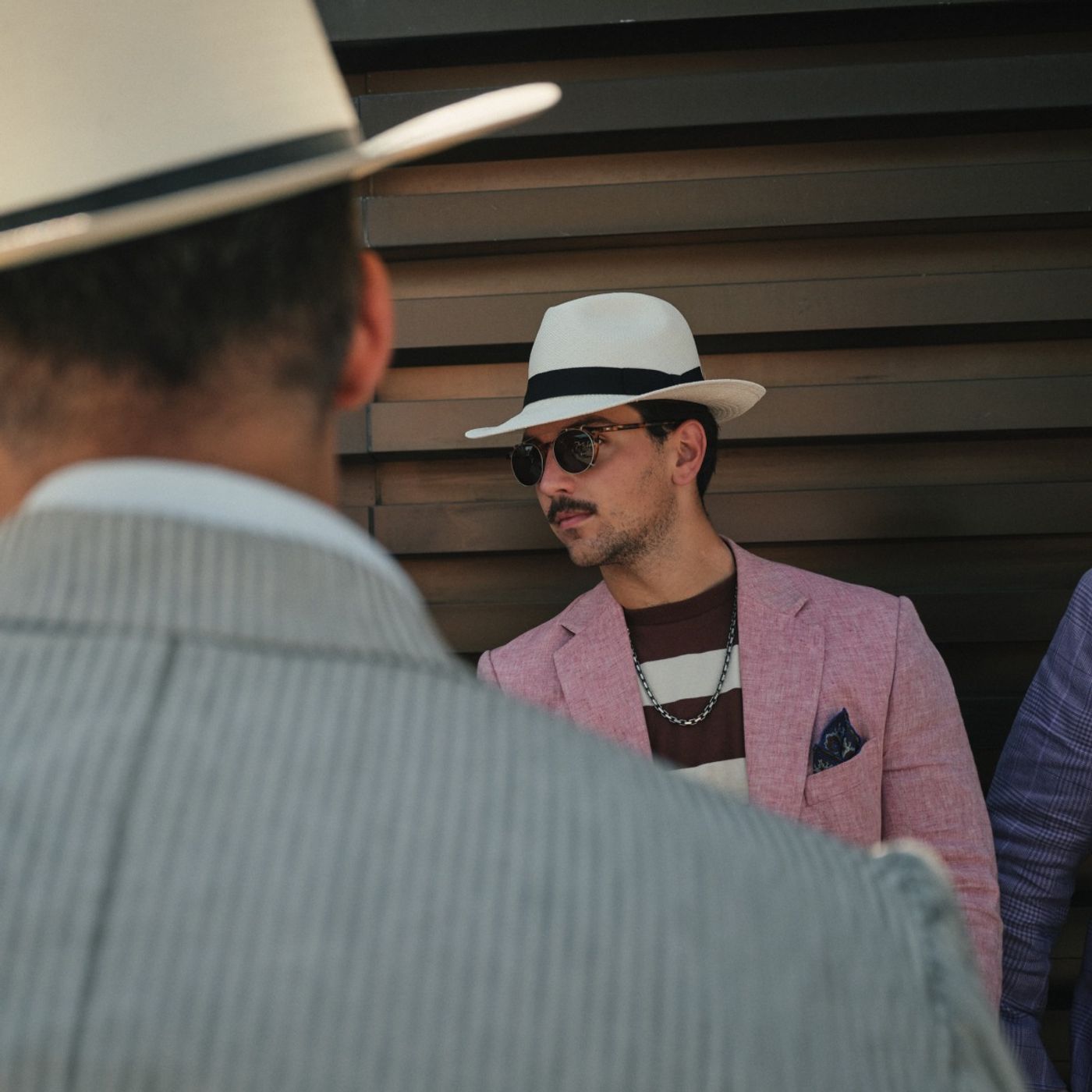
本月四大时装周相继开幕——纽约、伦敦、米兰和巴黎。如果你曾看过这些T台秀场的照片,就会发现那些服装与我们日常穿着大相径庭。但这些设计和时装周本身仍在多方面具有重要影响力。今天我们就来探讨其中的奥秘。
This month kicked off the big four fashion weeks, New York, London, Milan, and Paris. Paris. And if you've ever seen even a single photo from one of these runways, I think you know that those clothes bear little resemblance to what we wear on a daily basis. But those clothes and those events are still important and influential in many ways. I wanna know how, and today, we're gonna talk about that.
我们还将解答关于个人风格的提问。今天与我同台的是两位时报时尚专栏同事:风格版块编辑斯特拉·巴格比。你好,斯特拉。
And we're also gonna answer some of your questions about personal style. With me today are two of my colleagues who cover fashion for the times, Stella Bugby, the editor of our styles desk. Hello, Stella.
你好,吉尔伯特。
Hello, Gilbert.
这位是雅各布·加拉格尔,我们的时尚记者之一,经常参加各种时装周活动。你好,雅各布。嗨,吉尔伯特。嗨。好的。
Also here is Jacob Gallagher, who is one of our fashion reporters who goes to a lot of fashion week events. Hello, Jacob. Hi, Gilbert. Hi. Okay.
我觉得我得立刻坦白。也许你们从我平时在办公室的穿着就能看出来,我并不觉得自己是个特别时尚的人。我不关注时尚界,也不怎么思考这方面的事。不是因为我觉得这不重要,而是因为它对我来说似乎有点难以理解。
So I feel like I have to fess up straight away. Maybe you already know this based on what I wear around the office, but I I don't feel like a particularly fashionable person. I don't follow the world of fashion. I don't think about it a ton. Not because I don't think it's important, but because it seems kind of impenetrable to me.
有时候它有点像体育。有太多名字要记住,太多设计师。我希望我们能进行一次对话,帮我解开这个谜团。但我想先回溯一下。我想问问你们每个人,你们是什么时候第一次意识到时尚不仅重要,而且是你愿意花时间去思考的东西。
It's a little like sports sometimes. There's so many names to remember, so many designers. I'm hoping that we can have a conversation that sort of unlocks that. But I wanna go way back first. I wanna ask each of you, when you think you first understood that fashion was not only important, but it's actually something that you wanted to spend your time thinking about.
我们都在互相指着对方。这就像蜘蛛侠的场景。
We're all we're all pointing at each other. It's a real spider man
对我来说,时尚的有趣之处在于它关乎我们希望在世人眼中如何被看待,以及我们想要传递的信息。它是我们能够简洁明了地解读周围世界的一种方式,至少这是希望所在。对吧?你选择的衣服传达了你对自己在世界中位置的认知——如果你能做到的话。
me Yeah. Think what makes fashion interesting to me is that it is it's about how we like to be perceived out in the world and the messages that we like to send. And it's one way that we can decode the world around us neatly and easily, or at least that's the hope. Right? You you you pick the clothes you pick to communicate sort of how you think you stand in the world if you can.
我在华盛顿特区长大时对此深有体会,在那里,穿着能明确显示你在世界中的位置。记得很小的时候我就想,哦,很容易看出每个人属于哪个群体。有穿西装的、朋克风格的、足球妈妈们,这些风格部落与高级时尚毫无关系。小时候我并不关注潮流之类的东西,但我非常清楚人们如何用时尚来展示他们的价值观。
I think I was very aware of that growing up in Washington DC, where what you wear is very coded to where you fit into the world. And as a as a very little child, I just remember thinking like, oh, it's very easy to tell which group everybody is a part of. There were the suits, the punks, the soccer moms, just these tribes of style choices that people would make, and had nothing to do with high fashion. As a young young child, I wasn't, you know, aware of trends or anything like that, but I was very aware of the way people use fashion to display their values
是啊。在这个世界上。
Yeah. In the world.
是的。吉尔伯特,或许我该请你少用‘时尚’这个词,多用‘服装’。我相信很多听众也会做这样的区分。但对我来说,我们所报道的就是服装。我认为时尚只是其中的一部分。
Yeah. Gilbert, I'll maybe I'll maybe ask you to not use fashion as much as clothes. Like, I'm sure a lot of listeners make that same distinction. But to me, like, what we do is cover clothes. Like, I I think and fashion is a part of that.
就像你在T台上看到的高级时装当然属于这个范畴。但我们讨论的是更广阔的服装宇宙景观。我在华盛顿特区郊外长大,成长于滑板硬核朋克文化圈,那是个极具美学驱动的领域,带有强烈的部落属性。
Like, high fashion as you're perceiving it on the runway is certainly part of that. But like, what we talk about is is just the broad universe landscape of clothes. And so like, I I also grew up I grew up right outside DC, and I grew up in kind of the skateboarding hardcore punk world. And and that is a very, you know, aesthetically driven space. It's very tribal.
你的穿着会直接表明你的兴趣所在或所属群体。这种认知就是从那时开始形成的。我有个来自湾区(当地有独特朋克场景)的表哥,就像人们总会崇拜年长的表哥那样,我记得他有件从不清洗的连帽衫,虽然很恶心,但因为印着他挚爱而我不了解的湾区乐队图案,当时我觉得那是世界上最酷的东西。
How you dress dictates, you know, what you're into or who you're into. And I think that was where the awareness came in for me. Like, I have a cousin who is from the Bay Area, which was its own punk scene. And I will always remember, in the way you always look up to your older cousins, he had a hoodie that he never washed, and it was disgusting. But I thought it was the coolest thing on earth because it was like from this band that he loved and he was really into that I didn't know of because they were from the Bay Area.
至今我都记得,那件运动衫似乎被赋予了某种超越其本身的意义。
And that I I just remember the fact that it felt like that sweatshirt had something that made it greater.
嗯。
Mhmm.
正是这种由棉布缝制的衣物能承载如此深意的特性,很早就触动了我。说到高级时装界——如果要回答你的问题,我买的第一件高级时装是20岁左右时购入的渡边淳弥牛仔裤。那时我刚转学到纽约,做着零售工作,为此攒了很久的钱。
And and and the fact that a piece of clothing and cotton stitched together could take on something like that, that registered with me pretty early. And I would say to maybe try to answer your question in, like, the high fashion world, the first piece of high fashion I bought were a pair of Jinja Watanabe jeans that I bought when I was, like, I wanna say 20. And I had just moved to New I transferred colleges. I was in New York. I was working retail, and I saved up for these jeans.
那条牛仔裤的造型夸张得就像给稻草人穿的,仿佛可以直接立在田...
And I really they looked like what you'd put on a scarecrow, like, out in the out on
你的农场。
your farm.
比如,用来塞稻草。打补丁的。而且,是的,它们本应配一包稻草。但对我来说,它们感觉——我现在很讨厌用这个词因为它太尬了——但它们感觉很朋克。它们就像是我成长过程中所仰望、相信并想要模仿的高级时装版本。
Like, to stuff up straw. Patched. And, yeah, it was like they should have come with a a packet of straw. But they to me, they felt and I hate saying this word now because it's so cringe, but they felt very punk. They felt like the high fashion version of what I grew up looking at and believing in and and and wanting to emulate.
我还留着它们。我拒绝扔掉。现在它们已经太小了,但它们对我来说依然是惊喜。
And I I still have them. I I refuse to get rid of them. They are now, like, way way too small, but they they're they're surprised to me still.
我想你触及了我最喜欢的一个概念,即微小差异的自恋。对吧?这种观念认为你会注意到我的衬衫和别人不同,因为你能解读渡边淳牛仔裤向懂行的人发出的秘密信号。这正是时尚的乐趣所在。绝对如此。
I think what you're getting at is is one of my favorite terms, which is the narcissism of small differences. Right? It's like this this idea that you're gonna notice that somehow my shirt is different than somebody else's shirt because you're gonna be clued in to the secret messages that Junior Watanabe jeans might, you know, send out to the people who know what those things are. That's kind of what makes fashion sort of fun. Absolutely.
你表弟的卫衣后来怎么了?
What happened to your cousin's sweatshirt?
哦天。我得问问他洗过没?他肯定洗过,要么就是直接解体了。现在它应该在
Oh, man. I'd have to ask Did he ever wash it? He he definitely did wash it at some point, or it just disintegrated. It's now in
加州贝尼西亚附近的垃圾填埋场里。
a landfill out near Benicia, California.
他从来没洗过。他从不
He never washed it. He never
洗它。四十年前。你知道,我打赌,我是说,也打赌,就像,有那么一段时间——这完全跑题了——但在服装方面,你知道,整个理念就是永远不洗你的牛仔裤。
washed it. Forty years ago. You know, bet I mean, also bet like, there was a time where this is a total tangent, but in, like, clothing, you know, the whole thing was to never wash your jeans.
是啊。
And Yeah.
它们最终,你知道,可能会自己走出门去。但我我尽量不那么做,不过我在想他是不是在原始牛仔风潮上稍微领先了一点。
They could, you know, eventually walk out the door on their own. But they I I tried to never do that, but I wonder if he was just ahead of the curve maybe on the raw denim movement a little bit.
但感觉我们都有过那样的表亲。
But feel like we all had that cousin.
哦,绝对有。那个你仰望的人。绝对是。总是表亲。从来不是亲兄弟姐妹。
Oh, totally. That you looked up to. Totally. It's it's always a cousin. It's never a sibling.
你懂吧?
You know?
就在我们谈话之际,纽约时装周已经落幕。斯特拉,你很快就要前往巴黎时装周了,对吗?
As we speak, New York Fashion Week has ended. Stella, you are shortly gonna head over to Paris Fashion Week. Is that correct?
是的,没错。
I am. Yes.
就我个人而言,我对这些活动的内容知之甚少。我看到视频,看到照片,想象着各路名人坐在不同位置,观看模特们在T台上走秀。但实际上我完全不明白这些意味着什么。
So speaking for myself, I have little idea what goes on at these events. I see videos. I see photos. I imagine various celebrities sitting in various places and watching models walk down the runway. But I actually don't know what any of that means.
我不理解现场究竟在发生什么。作为参加过不少时装秀的人,如果你能帮我稍作解读,我会非常感激。
I don't understand what's happening in the room. I would love for you to decode it for me a little bit if you can, as someone who's been to maybe more than a few of these.
确实。在开始参加时装秀之前,我也不完全理解时装秀的目的。它们既是为了展示当季的新创意,也是为了预告接下来的反季节设计。比如——
Yes. I I don't think that I understood before I started going to fashion shows exactly what the purpose of fashion shows were. They are both to display new ideas for that season or for the coming opposite season. So
如果是
if it's
秋季发布会,我们看到的其实是次年春季的设计;春季发布会则展示秋季系列。这些秀旨在向时尚编辑、媒体记者,以及大型百货商店和小型买手店的采购们预览即将上市的新品。采购人员看完秀后会预约后续会议,挑选要引进店铺的款式;编辑们则会决定将哪些造型刊登在他们的杂志上。
fall, we're looking at spring of the following year. If it's spring, you're looking at fall. And the show is supposed to preview for editors and members of the press, as well as buyers for major department stores and smaller stores, you know, what's gonna be available. And so the buyers will go to the show, and then they will do an appointment after the show and pick which things that they're going to bring into their stores. The editors will go to the show, and they will ostensibly decide which looks they're going to photograph in the pages of their magazines.
过去就是这样运作的。基本上我们现在仍然遵循这个模式。雅各布,我有没有遗漏什么?
That was how it used to work. And that's pretty much still the format that we all follow. Am I missing anything, Jacob?
嗯,我想说的是,在很多情况下,买家互动这部分已经萎缩了,这很重要。就像你刚才提到的,吉尔伯特,对一些品牌来说,他们展示的纯粹是概念性的东西。永远不会给买家看,永远不会被采购,永远不会出现在商店里。
Like Well, I would say I think it's important to parse out that the buyer interaction has in many cases, like that's withered, I would say. Like, because a lot of as you kind of alluded to actually, Gilbert, like, for some brands, what they show is purely conceptual. It will never be shown to buyers. It will never be purchased. It will never land in stores.
我觉得人们可能过于关注这个方面了,但不可否认的是,我认为它现在的目的更像是一种营销活动,而不是为商业层面激发兴趣的手段。嗯。或者说,试图吸引那些买家。现在更像是活动本身就是营销终端。对吧。你可以从报道中看到这些秀相当于多少营销预算之类的,这就是为什么他们会邀请名人等等。
I think people focus maybe a little too much on that aspect, but there is no denying that the purpose of it, I think, is now more as marketing exercise than as a way to drum up interest for the commercial side of your business Mhmm. Or to get you know, to try to offer catnip to those buyers. I think now it's like the event itself is the marketing end. Right. And you see that in like reports about how much like marketing dollars these shows equate to and what have you, and that's why they invite celebrity and all that.
但我认为它的功能仍然类似于媒体成员。你仍然在观察它,试图剖析这对更广泛的市场可能意味着什么。
But I think it still functions the same as like a member of the press in a way. You're still looking at it trying to dissect like what this might mean for the broader market.
是啊。比如,会有什么趋势?我认为这是每季结束后的大问题。至少传统上是这样。传统上。我不会说它具有很强的预测性。
Yeah. Like, what are the trends gonna be? I think that's that's a big question coming out of each season. That, at least traditionally, has been Traditionally. I wouldn't say that it's so predictive.
对。我觉得是这样。我...我觉得你看到的那种魅力,如果我能试着把你带入那个场景的话,就像...
Yeah. I think that's right. I I I think like the glamour that you're seeing, if I can kinda try to bring you in the room, like
请继续。
the Please do.
你所看到的光鲜亮丽并非我们的真实体验。就像等公交车时,或是参加音乐会时那种'这乐队怎么还不开始'的感觉。嗯。时装秀现场大多时候就是如此——到了现场,干坐着,心里默念'行吧'。
The glamour that you're seeing is really not what we're experiencing. It it's like if you've ever waited for the bus or if you've ever been at a concert and you've been like, why will this band just not go on already? Mhmm. That's what being at a fashion show feels like a lot of the time. You get there, and you sit there, and you're like, okay.
我理解这是一种表演性质的仪式——如果秀场定在一点,实际开场会在1:45,或是等到他们苦等的最后一位名人终于到场。
I under it's this performative ritual of if the show's at one, it will actually begin at 01:45 or when the last celebrity that they have been waiting on finally arrives.
嗯。
Mhmm.
而且这种情况可能...
And and that can be
然后秀场只会持续十分钟。
And it will last ten minutes.
甚至更短。
If that.
接着你们就会被赶鸭子似的请出门。没错。
And then you will be herded back out the door. Yes.
那四十五分钟里你在做什么?是在四处张望吗?还是
What are you doing in those forty five minutes? Are you looking around? Are you
我在玩《纽约时报》的拼字游戏
I play Spelling Bee by the New York
不是。
Times. No.
像所有敬业的记者一样,我会起身去和任何在场的名人搭话
Like any good reporter, I'm getting up, and I'm going to talk to whatever celebrity
嗯。
Yeah.
有时候他们很有趣,但更多时候是同一周内你已经见过三五七次的那位名人。比如教堂玫瑰走红的那季,她刚到巴黎,团队就安排她尽可能参加所有秀场。她接连不断地出现在这些秀场上。这部分是他们在打造形象。
Is there. And sometimes they're interesting, and a lot of times they are the same celebrity that you've already seen three to five to seven times that week. Because, you know, like I the season that Chapel Roan got popular, like, it was like she arrived in Paris, and her people were like, we'll have her go to every show possible. And she was at all these shows back to back to back. And part of that is like image building for them.
另一部分——我不知道教堂玫瑰签了哪些品牌代言或正在培养什么关系——但最终这种品牌关系可能会带来利润丰厚的代言合约。尤其在男装周期间,比如NBA休赛期,你会看到很多篮球运动员突然出现在各大秀场,先去Xenia,接着参加Canale发布会,又现身Prada。你都不禁要问:你们怎么做到赶场子的?
And part of that, I don't know what brand deals Chapel Roan has or what she's fostering, but part of that is that eventually that relationship with the brand might result in a endorsement deal that could be very lucrative for them. So especially on the men's side, like, you know, the NBA's off season, you'll see a lot of basketball players just suddenly show up at these shows, and they're going to, like, Xenia. Then they'll be at, you know, the Canale presentation. Then they might show up at Prada. And you're like, why how did you end up just, like
但从某种角度来说,这本身也成了一种趋势。哦,没错。完全是这样。看秀场上的名人区、VIP区谁在出席反而更有趣,因为这就像是在观察——
But in a way, becomes that becomes its own trend. Oh, yeah. Absolutely. It's like almost more interesting to see who's at the show on the celebrity side, on the VIP side, because it's a way to see, like Yeah.
什么是
What are
文化层面上对这些大牌来说谁才是重要人物。
culturally who's mattering to these big brands.
斯特拉,你在现场看到了什么?你在寻找什么?
What are you seeing in the room, Stella? What are you looking for?
我是说,我在秀场寻找的是惊喜感、方向性,甚至是能改变我对品牌认知的东西。你知道,我常带着对某些品牌的预期去看秀,当它们让我意外时,我总是很欣喜。就像——哦,我从没见过Tory Burch做过这样
I mean, when what I'm looking for in a show is something surprising, something directional, something that changes my mind about the brand even. You know, if I I often go into a show with a expectation from a certain brand, and when they surprise me, I'm always delighted. It's like, oh, I've never seen Tory Burch do something such
比如你告诉我符合这个标准的例子
as you tell me something that falls into this category
我你不或者
I you don't or
最后一个?
last one?
是啊。这种时刻并不常有。而当它们发生时,你会觉得,哦,所有的等待和压力都是值得的,因为那一刻就是魔法。懂吗?那种感觉真的很振奋,我能想象这会改变女性穿大衣的方式之类的。
Yeah. You don't have those moments very often. And when they happen, it's it's like, oh, all this waiting, all this stress was worth it because that was magic. You know? That felt really exciting, and I can imagine that changing the way that women are gonna wear their coats or something.
明白我的意思吗?我们这些时刻少之又少。但我记得,比如,像艾迪·斯理曼这样的设计师,他是个很有争议性的人物。
You know what mean? We have those moments few and far between. But I remember, for example, you know, there there'll be a designer like Eddie Slimane, who who's a very, you know, controversial type of guy.
两极分化?
Polarizing?
两极分化。这个词太准确了。
Polarizing. Perfect word.
是指个人层面的分化还是职业层面的
Like, personally polarizing or professing
刻意制造对立?他执掌过多个品牌。但有时候,你会像我一样经历这样的时刻——大概十年前他接手圣罗兰时就是如此。
to polarize? Like and and he's been at the helm of several brands. But, you know, sometimes you'll be sitting there and you'll have an experience like I did in I don't know. This is more than ten years ago when he took over Saint Laurent.
嗯。
Mhmm.
观众席上的每个人都极其厌恶这场秀。我记得当时坐在那里想着,我不确定。这其实有点意思,还挺不错的。或许还带点挑衅意味。
And everybody in the audience hated it so much. And I remember sitting there thinking, I don't know. This is this is kinda fun. This is kinda good. And maybe it's a little provocative.
与随大流地产生反感情绪不同,我坐在那里试图让自己独立思考对这个秀的真实反应。回到酒店后我写下自己喜欢这场秀,随即意识到——糟了,我要与主流评价背道而驰了。
And rather than, for example, being swept up in the energy of of disliking it, I was sort of like sitting there allowing myself to think whether I was about to have an independent reaction to this thing, and going back to my hotel room afterward and writing that I liked it, and then feeling like, uh-oh, I'm gonna I'm gonna be at odds with the prevailing attitude about this particular show. And and that
什么样的秀?具体是
kind of What did he show? What what was
什么造型?那场秀全是皮革迷你裙
the look? That that runway was just a bunch of leather mini dresses
明白了。
Okay.
大家都说这些像是Hot Topic的廉价货。但我却有不同的感受——这种敢于挑战自我预期、甚至与同行意见相左的时刻其实很有趣。我在Prada秀场常有这种体验,当设计师推出前所未见的疯狂设计时,你必须判断:我的反应究竟是负面还是正面?
Which, you know, everybody was like, oh, those could be from Hot Topic. And and I sort of had a different feeling about it, and and just that willingness to challenge my own expectations, and then also perhaps be at odds with my peers, and it's kind of fun to have those moments. You know, I often get them at Prada. Like, you'll sit there and she'll send something out that's so wild and different and crazy, something like you've never seen, and you have to decide, is the reaction I'm having negative? Is it positive?
这是否意味着消极反而是积极的?听起来可能有点傻,但正是这种矛盾让它充满乐趣。正是这种特质让它光彩夺目,也正是这种魅力让这项运动年复一年地吸引着人们。
Is it is it positive that it's negative? It sounds it sounds silly, but that's what makes it fun. That's what makes it glamorous. That's what makes the sport of it engaging year after year after year.
嗯。雅各布,你是否曾在某场秀上突然意识到——此刻我正目睹着独特而与众不同的东西,并产生了真实的美学共鸣或情感触动?
Mhmm. Jacob, do you remember a moment at a show where you said to yourself, I'm seeing something that feels unique, different, I'm having a genuine aesthetic or emotional reaction to it?
当整个体验被精准调校时——虽然这么说可能显得老套——但对我来说这始终是最震撼的观赏体验。比如我记得有季Prada大秀,现场被布置成船舱,观众如同沉船般仰望着T台。
When the whole experience is calibrated just right, it's like the it's still to me I feel corny saying this. It's still like the greatest thing to get to witness, I think. Like, there's a couple Prada shows from back when I remember there was one season where the space was like a ship, and we were sat, like, sunken looking up at the runway.
嗯。
Mhmm.
整个系列都透着航海遇难般的氛围。当时坐在那里的震撼感至今难忘,我就疯狂想要那件水手外套——袖口带丹宁布条的那件。这些年我仍在寻找那件秀款,那种感觉就像置身可购物的沉浸式剧场,彻底颠覆了时装秀的定义。
And the whole the collection was this kind of nautical shipwrecky feeling to it. And I remember sitting there, and I was like, this is so incredible. And I just want, like, this peacoat. And I remember thinking, like, I still try to find this peacoat from this collection. It had, like, a denim strip on the sleeve, but it was incredibly like, it felt like being in theater kind of, like you were in an immersive theater experience that you could then shop from, which is so cool as as a way to break down what a show is.
没错。与其说是购物,我更期待被改变审美视角——刷新对个人欲望和造型可能性的认知。比如Balenciaga,虽然我从没买过Demna设计的单品
Yeah. I think I'm not shopping so much as wanting to be have my perspective changed around my own desires and my own idea of the way that someone can look. So for example, Balenciaga. I have never bought an item from Demna
嗯。
Mhmm.
多年来是谁在执掌巴黎世家的设计。但我记得坐在他的秀场里,比如他早期在巴黎的时装秀,当时就在想,这是一种完全不同的呈现方式,你知道的,是对现代性的诠释。而这类想法,比如我是否真的会购买它们,对我来说反而不那么重要。更重要的是,我从未见过这样的东西,这本身就令人兴奋。
Who designed Balenciaga for all these years. But I remember sitting in his shows, like his early shows in Paris and thinking, this is a totally different way of presenting a body of, you know, interpreting modernity. And and those kinds of thoughts, like, whether or not I was actually going to buy them was less important to me. It was more that I had never seen anything like this before, and that's kind of thrilling in and of itself.
是啊。作为评论家我得说,让我坐在那里想着‘哦,我想买这个’的时刻,实在是寥寥无几。
So Yeah. I should say, like, as a critic, like, the times where I'm sat there being like, oh, I wanna buy something, very, very few and far between.
没错。我是说——但那件双排扣大衣。
Right. I mean But that pea coat.
但那件双排扣大衣确实在我脑海里挥之不去。不过你知道,我认为有若干场秀——他现在在迪奥了,但乔纳森·安德森,尤其是男装方面,在我看来就非常擅长此道。他在罗意威待了多年。但他那些秀,你能看出他如何思考男性身材比例,特别是有场秀我记忆犹新,他展示了这些裤子,高及肋骨的位置,还闪着亮片。
But that pea coat still does rattle in my brain. But, you know, I think there there have been a a number of shows you know, he's now at at Dior, but Jonathan Anderson, on the men's side in particular, to me, has been very, very good at that. He was at Loewe for a number of years. But he would do these shows, you would kind of see the way he was thinking about the male body proportionally in particular. Like, I I really remember this one show where he showed these pants that were, like, sat at the rib cage, and they were sparkly.
但它们搭配的却是保守的单品,你知道的,深色西装外套和系扣衬衫。我就坐在那儿微笑,心想:这确实是新鲜的。这对任何人实际穿着或应该怎么穿毫无参考价值,但重新思考裤子该在什么位置是多么酷的想法啊。或许这会影响人们对自己裤腰位置的看法,当然不必那么夸张。
But they were shown with otherwise conservative items, you know, dark blazers and button up shirts. And I just sat there smiling and was like, I this is actually new. This has no applicability to how anyone will or probably should dress, but what a cool way to rethink where a pants should sit. And maybe that will have impact to make people think differently about how their pants sit, not to that dramatic scale.
确实。
Sure.
但就像,你显然能看出他在宣告:好吧,我要在这里插旗。现在就看你们愿意跟进到什么程度了。
But like, certainly, you could see him saying, okay. I'm gonna plant the flag here. Now it's up to you guys to see how far you wanna go to catch up to me.
这是个绝妙的过渡,因为我觉得你们两位谈论的某种程度上是一种你们正在经历的美学体验。对吧?你们在思考面料,在思考造型,或许还在思考那些极致的瞬间。
That's a great transition because I feel like what you are both talking about is an aesthetic experience in some way that you're having there. Right? You're look you're thinking about fabrics. You're thinking about looks. You're thinking about moments of extremity, maybe.
但这如何影响我在街上穿夹克的方式呢?高腰裤又如何产生影响?也许不是这条最乏味的J.Crew基础款裤子——虽然我爱它上身的舒适感。
But how is that influencing the way I wear my jacket on the street? You know? How are the high pants influencing? Maybe not these pants, which are the most boring J. Crew beds you could possibly find, but I love the way they feel on me.
这些趋势如何改变人们的裤装穿着方式?
How are those affecting the way people wear pants?
要知道,我们之前提到斯特拉谈到艾迪·斯理曼,在我看来——如有误请指正——他在圣罗兰的时期,是秀场潮流最后一次对主流着装产生广泛影响。艾迪·斯理曼和汤姆·布朗都推动了修身剪裁西装,这直接导致了J.Crew推出他们的修身款西装,确实形成了自上而下的影响链。
Well, you know, we brought up Stella brought up Eddie Slimane earlier, and it's like that's probably the last, like, real I mean, correct me if I'm wrong, but to me, that's like what he did at Saint Laurent was the last time that the runway had like a movement wide impact on how people dressed in the mainstream. You had like Eddie Slimane and then Tom Brown both pushing very shrunken suiting. But then that really did like, that's the reason why, like, J. Crew ended up doing their, like, slimmer suit. Like, that did have a direct trickle down effect.
如今嘛...确实更难察觉了。有时你得仔细观察边缘细节、眯起眼睛才能发现影响,但它确实存在。我认为...
Today listen. It's it's harder to see for sure. I think you have to really be looking at the corners and and and squinting to see the impact at times, but it's there. Like, I I think it's
我倒想提出个更具争议的观点:时尚趋势向来是自下而上渗透的。没错,设计师们在整合时代元素,他们观察世界,通过高级时装滤镜进行诠释,但...
Well, I would say something much, like, more slightly more controversial, which is that it's always trickled up more than we Yeah. That's absolutely true. So, yes, designers, they're synthesizing the moment. They're looking around the world. They're putting it through their filter, and they're interpreting through a sort of high fashion lens.
但这些潮流,很可能和雅各布表弟那件脏卫衣一样,都是从街头冒出来的
But these these trends, like, probably bubble up as much from Jacob's cousin's dirty sweatshirt as they do
喜欢这个来自
Love this from
音乐社区或各种亚文化群体。嗯。我认为历史上我们并未充分认可像你这样的人或普通人的着装方式。回顾时尚史的乐趣在于,你能非常简洁地通过人们的穿着辨识时代特征。但我不确定现在还能如此轻易做到这一点。
music communities or, you know, subcultures of of all kinds. Mhmm. And there's I don't think that historically we've given that enough credit for the way that people like yourself dress, or people just like just regular people dress. You know, what's fun about looking at fashion historically is that you can identify time periods very sort of succinctly, like, based on what people were wearing. I don't know that that's so easy to do now.
我们生活在一个后共识、后潮流的世界。比如你现在穿的衣服可能五年前就在穿,五年后很可能还会继续穿。
We live in a kind of, like, post consensus, post trend world. I just I like, you you you're wearing something that you could have been wearing five years ago. You're wearing something probably that you'll be wearing in five years from now.
完全同意。
Absolutely.
人们总问我们:本季潮流是什么?现在流行什么?真的很难回答,因为现在既不能说存在单一潮流,甚至五个都难以界定。是的。
Like, people always ask both of us, what are the trends for the season? What's what's in? What what are the trends? And it's really hard to answer that now, because I don't think that you could reasonably say there is one or there are even five. Yes.
T台上可能大量出现蕾丝等元素,但这未必意味着会形成蕾丝风潮。现在的时尚机制已不同以往。
There may be a lot of lace on the runway or something like that, but it doesn't necessarily mean that there's going to be a lace trend. It's it doesn't work that way anymore.
但我认为当代高级时装和奢侈品牌的运作必须符合大众口味。这些拥有小型时尚品牌的大集团——路易威登、迪奥、圣罗兰、巴黎世家——必须取得全球性成功。当经营规模如此庞大且需要持续高速创收时,店铺里就不会提供太革命性的设计。这既适用于巨头公司,也适用于主流时尚品牌如李维斯、Gap、优衣库等。因此你只能持续给予消费者他们已经认同的东西。
But I also think that, like, the way that high fashion works, the way that luxury fashion works now, it has to be broadly palatable. And what I mean by that is these corporations that own these smaller fashion labels, your Louis Vuittons, your Dior's, your Saint Laurent's, your Balenciaga's, they have to be globally successful. And when you are operating at that big of a scale and you have to continue to generate revenue at an incredible clip, you don't offer as revolutionary of ideas within the store. And that's true both for, I think, the huge companies as well as, like, you know, your big mainstream fashion labels, your, you know, Levi's, your Gaps, your Uniqlo's to an extent. And so you kinda have to keep giving the consumer what they're buying into already.
因此,我认为要让消费者真正感到兴奋并相信他们需要支持这一点,确实变得越来越困难。
And so it does become harder and harder to, I think, revolutionize that consumer and create excitement and have people really believe they need to get behind that.
我觉得服装与其他文化形式、其他流行文化之间有很多相似之处。你知道,那些大公司会说,我们知道大众观众喜欢这类电影或电视节目。因此,这就是我们需要迎合的东西。我们需要制作最容易被接受的形式,因为我们的目的是赚钱,而高艺术性或实验性的内容可能不是我们要投资的。
I feel like there are so many analogs here between clothing and other sorts of culture, other kinds of pop culture, which is, you know, the the corporations, companies say, we know there's a mass audience out there for these type of movies or these type of TV shows. Therefore, that is the thing we need to cater to. We need to make the most palatable form of it because we are here to make money, and high forms of art or experimentation maybe is not the thing that we are going to invest in.
嗯,我还想说,对我而言,我成长时期的穿着方式反映了我所热衷的亚文化。而现在,孩子们的穿着在很多方面反映了他们喜欢的服装本身,如果这说得通的话。也就是说,服装本身成了人们感兴趣并从中汲取灵感的东西,它们已经远离了最初的亚文化背景。所以这导致现在出现了一种奇怪的反馈循环,比如街上的孩子们——我们这里用‘孩子们’这个词很宽泛。
Well, I would also say, for me, when I was growing up, like the way I dress was a reflection of the subculture that I was into. I think now the way kids dress in a lot of ways is a reflection of the clothes they're into, if that makes any sense. Like, that that, like, the clothes themselves are what people are interested in and what they're pulling from, and they're very removed from their original subcultural context. So that ends up resulting in, like, you're seeing this weird feedback loop right now where, like, kids on the street kids. We're using kids very loosely.
比如说,街上有20个青少年穿着非常九十年代风格的宽松裤子和短上衣。然后我认为这种风格又反过来影响了时尚界。
Like, let's say, like, 20 people on the street, teenagers, are dressing very, like, nineties, like, the baggy pant crop top thing. And then that, I think, is then feeding back into fashion.
嗯。
Mhmm.
然后你会看到设计师们试图直接将这种风格呈现给那个受众群体。所以他们基本上是想通过借鉴这些孩子的穿着方式来赚钱。
And you're seeing designers then try to give that directly to that audience. So they're trying basically to to make money by pulling from how these kids are dressing.
我我觉得我们——我喜欢把我的孩子们称为Z世代,比如‘Z世代混乱时尚’。
I I think we're I like to call my kids who are Gen Z, like, Gen Z chaos fashion.
就是这样
It's just so
它有
it has
你们正式给这个命名了吗?这是
Have you officially branded this? Is this
和他们一起,是的。我特别喜欢他们那种混乱感。他们真的毫无章法。我看着他们做的选择,完全摸不着头脑。我觉得他们自己也不明白,这就是我说的‘后共识’的意思。
With them, yes. I I love how chaotic they are. They they're truly chaotic. Like, there's no I I look at the choices they make, and I'm like, I don't understand what's informing this. And I don't think they do, and I think that that's what I mean when I say post consensus.
嗯。
Mhmm.
但我一直在想十年前兴起的‘Normcore’风潮,那场大规模运动是对个性化的否定。虽然它并非源自时尚界,却常通过时尚表达——就是那种万物皆平庸,你是七十亿分之一的感觉。这种风格很难摆脱。不过当我讨论Z世代的混乱风格时,我认为这是我们首次看到对Normcore的抵制。过去十年,Normcore一直是主导美学,无论是极简服装、极简室内设计、千禧粉,还是那些彻底改变室内设计、汽车设计、鞋类设计的主流审美趋势,全都与此相关。现在我们看到的是对这种匿名欲望更混杂的抗拒。
But I keep thinking about norm core, which was a little over ten years ago, a pretty big movement that was, I think, a rejection of individuality. And and that didn't come from fashion, but it was expressed often through fashion, which is just this everything is generic, and you you're one of 7,000,000,000. And that has been hard to shake. Although I when I talk about Gen Z chaos style, I think that that is the first time we're seeing kind of a rejection of normcore, which I think has been normcore being the most prevailing aesthetic that we've seen in the last ten years, and whether that's in minimalist clothing or minimalist interiors or millennial pink or any of these big pervading aesthetics that have that have, like, really changed interior design or have changed car design or shoe design or, you know, all of those things were related to that. Now I think we're seeing a more eclectic rejection of of that desire to be anonymous.
我觉得人们正在重新找回一点个性。
People are, I think, finding their individuality again a little bit.
好的。关于这一点,我们稍作休息。回来后,大家将回答一些听众的问题。
Okay. On that point, let's take a break. And when we come back, you all are gonna answer some listener questions.
大家好,我是《纽约时报》旗下产品推荐服务Wirecutter的Kyra Blackwell,负责测试床垫。今天我要测试七款床垫,所有品牌信息均被隐藏。挑选合适的床垫感觉真是项艰巨的任务。这款床垫支撑性非常好。
Hey, y'all. It's Kyra Blackwell from Wirecutter, the product recommendation service from The New York Times, and I test mattresses. Today, I am testing seven mattresses, all brand concealed. It just feels like such a daunting endeavor to pick the right mattress. This mattress is very supportive.
翻身非常轻松。我们评估了近四十款泡沫、弹簧及混合型床垫,重点关注边缘支撑性、动静隔离和硬度等级。我们正在交叉比对测试者的数据,这些测试者包括各种体型、尺寸和睡眠偏好的人群。刚拆封时,它闻起来有薰衣草香味。
It's just a very easy to shift positions. We've considered nearly four dozen foam, innerspring, and hybrid mattresses. We're looking out for edge support, motion isolation, and firmness levels. We are cross referencing our data between testers, which includes people of all different shapes, sizes, and sleep preferences. When it came right out the box, it smelled like lavender.
不确定香味能持续多久。我刚完成所有测试者问卷的整理。有位测试者提到这款床垫具有适度下陷感,同时具备底层硬度和支撑力。在Wirecutter,我们替您完成这些繁琐工作。如需真实世界的独立产品评测与推荐,请访问nytimes.com/wirecutter。
I'm not sure how long that'll last. I finished compiling all of my testers' surveys. One tester noted the mattress had some give and underlying firmness and support. At Wirecutter, we do the work so you don't have to. For independent product reviews and recommendations for the real world, come visit us at nytimes.com/wirecutter.
触感非常柔软,但恰到好处。
It feels very squishy, but in a good way.
几周前我们发起征集,请听众发送个人穿搭问题,收到了大量回复。感谢所有提问的朋友。显然我们无法全部解答,所以我只挑选部分问题给Stella和Jacob回答。你们准备好了吗?
A few weeks ago, we did a call out, and we asked listeners to send us their personal style questions, and we got so many responses. Thank you to everyone who submitted a question. Obviously, we can't ask or answer them all, so I'm just gonna put a few to Stella and Jacob and see what we get. Are you guys ready?
当然。
Sure.
是的。
Yep.
正如我所说,我有很多问题。在浏览许多提问时,我发现许多人都在思考如何根据年龄着装的问题——六十多岁、七十多岁、八十多岁的人,甚至更年轻的听众。第一个问题来自保罗,他住在德国罗斯托克。
So as I so many questions, as I said. And as I read through many of the questions, I saw that something that a lot of people had on their minds is how to dress for their age. People in their sixties, seventies, people in their eighties, but also listeners that were much younger than that. And this first one is from Paul. He lives in Rostock, Germany.
保罗问道:'我一直在尝试寻找更现代的成人风格,因为我现在穿的还是高中时期的类似风格。'(保罗应该二十七八岁)'为什么会这样?我该如何改变?'
Paul asks, I've been trying to find a more modern adult style for a while now since I'm still wearing a similar style to the one I've been wearing since high school. I believe Paul is in his late twenties. Why is that, and how can I change that?
我觉得解释'为什么'比'怎么做'更容易。原因在于当今社会很少根据职业要求人们以成人方式着装。毕业时获得成熟衣橱、进入职场就更换着装的传统路径已经消失,这主要是由于企业界着装规范的瓦解。因此转型确实很困难。
I can answer the why easier than the how, I think. The the why is that is because basically, there's very little societal pressure today to dress in an adult manner depending on your career. But, you know, I think there is not the same pipeline of like you graduate school, you get a mature wardrobe as you move into the workforce. You don't need that anymore based on, I would say, the withering of dress codes in the corporate world. It's very hard as a result.
我很理解保罗的困境。想要穿得更得体又不觉得冒险,这种平衡确实很难把握。
I feel for Paul. Like, I I do understand that. Like, it's hard to try to then dress in a way that feels better without feeling, like, risky.
嗯。
Mhmm.
我...我明白...
I I get that I
我觉得我们需要回到那个根本问题上来。你说我们收到了大量关于如何穿着符合年龄的问题。
feel like we need to go back to the to the fundamental question. And you you said we got tons of questions about how to dress your age.
是啊。
Yeah.
而且,退一步讲,变老本身就是件很难的事。我们在心理上要应对无数与之相关的问题,这不仅仅是穿衣打扮。你的身体在变化,你对他人感受也在变化。
And, you know, pulling back on that, it's it's so hard to age, period. It's we have, like, a ton of things to navigate psychologically around those questions, you know. It's not just clothing. It's it's your body changes. It's your feeling about others change.
你对自己在世界中权威地位的感受也在改变。如何通过衣着来体现这些?这触及了时尚界最棘手的问题。所以这么多读者会问'我该怎么穿得符合年龄'并不奇怪——因为'我该怎么说话符合年龄?'
It's your your feeling about your authority in the world changes. How do you reflect that with your clothing? That's that gets at the very most difficult question about fashion, period. So it's not surprising to me that so many readers would ask, like, how do I dress my age? Because how do I talk my age?
'我该怎么感受自己的年龄?'要知道,我的心理年龄可能比外表年轻得多。所以我认为只要社交场合允许,他穿得像20岁也未尝不可。但如果这与他的自我认知不符,他就需要花时间思考真实的自我感受,然后自然能找到适合的着装。我们总以为衣服能替我们回答这些问题。
How do I feel my age? You know, I might feel a lot younger than I seem or that I look. So I would say it's probably okay for him to dress like he did when he was 20 as long as it's okay for him socially. But if it doesn't line up with how he feels as a person, he's going to have to actually spend some time thinking about how he feels as a person, and then he'll figure out how to dress. I think we think that clothes will answer those questions for us.
但实际上,我们必须先回答这些问题,再去寻找与自我认知匹配的服装。而且这种认知会随着年龄增长不断演变,这就是为什么你会收到来自八旬、七旬、六旬乃至更年轻群体的疑问——我们终其一生都在应对这个问题。
But in fact, we have to answer those questions and then go out and find the clothes that match our feelings about ourselves. And, you know, that actually evolves fairly frequently as we age, and that's why you're getting questions from people in their eighties, seventies, sixties, and lower is that, like, we're always trying to navigate this problem.
嗯,我觉得很多人四十岁时不愿穿得像25岁,他们既不想刻意装嫩,又希望穿得舒适体面。
Well, I think a lot of people don't wanna, again, dress like they're trying to be 25 when they're in their forties, or they don't wanna try too hard to look cool even though they want to feel good in their clothing.
我一直反复强调并思考的是,一个人几乎无法摆脱塑造他的那个时代烙印。你无法完全摆脱这一点。无论你是婴儿潮一代、X世代,还是Z世代,这种印记都会存在,其中有些东西是你难以抗拒的。但这没关系。
One thing that I've keep saying and and thinking is that it is almost impossible to escape the moment in which you were forged. You you cannot quite shake that. Whether you're a boomer, whether you're a, you know, Gen X, whether you're Gen Z, like, it just will be there, and there's something in there that you can't quite fight. And that's okay.
斯特拉,我上的是天主教男子高中,至今我的穿衣风格还是那样。我觉得我在16岁那年就把这种风格定型了。
Stella, I went to a Catholic all boys high school, and I still dress that way. I I think I locked it in when I was 16 years old.
这个回答非常精彩。
That was a really beautiful answer.
我觉得
I thought
这番话说得很有说服力。告诉我我说错了。
that was really eloquent. Tell me I'm wrong.
不,不是的。我认为你完全正确,但我在思考如何具体提供帮助。我想说的是,提出这个问题本身就表明,当保罗和像保罗这样的人照镜子时,他们会觉得'我对现状不满意'。
No. I no. No. I I think that I think that you are absolutely right, but I'm trying to think of how materially to help here. And what I would say is already asking the question clearly indicates that there's something that when Paul and people like Paul look in the mirror, they think I'm dissatisfied with this.
这似乎与我本质或想成为的样子不符。我的建议是,试着站在那里找出让你产生这种感觉的具体穿着元素,从这里着手。比如你可能还穿着高中时的同款卡其裤,或是那种标准的天主教学校纽扣衬衫,这些服饰将你过度拉回那个你想抽离的时期。那就从这里开始,循序渐进地尝试在原有框架内更新或调整——别突然买七千件花哨衬衫,既然你一辈子都穿纯色款。那样既浪费钱,最终也不会真的穿它们。
This seems off of who I am or who I'm trying to be. And what I would say is try to then stand there and figure out maybe what part of what you're wearing makes you feel that the most and begin there. Like, it is that you're still wearing the same exact chinos you wore in high school or the same exact sort of Catholic school button up, if you will, and then that is pulling you too far backwards or too far to that time that you wanna pull out of, then begin there and start slowly and try to figure out how you might update or even just modify that a little bit within your box. Don't go out and buy seven gajillion pattern shirts because you've worn solid shirts your whole life. That's just a waste of money, and you will not actually end up wearing those.
我会建议先专注于那件事,然后由此向外扩展。不要被那个过程吓倒。这就是我的建议。
I'd say zero in on that thing, and then build outward from there. That would and and don't get daunted by that that that process. That would be my guidance.
这是非常实用的建议。很好,谢谢。
That is very actionable advice. That's good. Thank
比如,从鞋子开始,或者从某样东西开始,哦,
you. Like, start with the shoes, for example, or or, you know, start with something Oh,
鞋子太难了。
shoes are so hard.
是的。但大多数人可以说,随着年龄增长体重会变化,或者经历手术,或者身体有各种变化,但鞋子可以是一个人快速更新外观的方式,它们价格区间多样,不太可能穿不下。是的。
Yeah. But you can most people let's say, your weight changes as you age or your you know, you go through surgeries or you, you know, you have all kinds of of physical changes, but shoes can be one way that a person can update their look quickly that, you know, they come in a different range of prices. You're probably not going to outgrow them. They are Yeah.
你知道,
You know,
如果你想做一笔大投资,你可以为此找到理由,因为你会经常穿它们,还可以拿去修理。这是个不错的起点。
if you wanted to make a big investment, you could you could justify that because you'll wear them all the time, and you'll get them repaired. Like, that's a good place to start.
我觉得这与我们的下一个问题相关,来自加利福尼亚州门洛帕克的劳拉。劳拉写道,生下儿子后,她所有的衣服都不再适合穿了。再次触及这个主题,我们一直在讨论她二十多岁时积累的那些衣服不再符合她的自我认知。作为新晋父母,她本质上已经是一个不同的人了。所以她问,‘在个人风格方面,你建议如何应对这段初为人母的时期?’
I feel like this is related to our next question, which is from Laura in Menlo Park, California. Laura writes that after giving birth to her son, none of her clothes felt appropriate to wear anymore. And again, touching on this theme, we've been talking about the clothes that she accumulated in her twenties no longer matched her sense of self. She's a different person now inherently as as a new parent. So she asks, quote, how do you suggest navigating this early motherhood era with regard to personal style?
而且,如何在不依赖戈德·布鲁克的情况下做到这一点?
And how do you do so without Gord Brooke?
是的。我想说,过渡到新妈妈的身份是一个女人一生中将要经历的最深刻的转变之一,在她的身体里,你知道,在与他人、与她现在必须照顾的孩子的关系中。所以,你也在调整自己在世界中的身份定位。这可能是我所经历过的、也是我见证他人经历的最困难的部分。与我们之前的回答类似,我认为这必须是一个渐进的过程,如果你负担不起全部扔掉重新开始的话——那更像是一种幻想。
Yeah. I would say the transition to new motherhood is one of the most profound shifts a woman is going to experience in her life, in her body, you know, in relation to others, in relation to the child she now has to take care of. So you're you're also navigating a realignment to who you feel you are in the world. That's maybe the most difficult of all that I that I've experienced and that I've witnessed other people experience. And similar to our other answer, I think it's gotta happen gradually if you can't afford to just throw it all out and start over, which is this sort of fantasy.
我认为没有人真的能做到,除非你是非常富有的名人,否则你很可能还是会保留很多旧物,你必须想办法让它们发挥作用。我想,不是要陈词滥调,而是在这个过程中对自己稍微温柔一点,也许挑选一两件让你感觉良好的衣物。这与雅各布所说的相反,比如,找出让你感觉最糟糕的东西,但这更像是,出去犒赏自己至少一件让你感觉良好、能表达你当前状态的衣物。嗯。从那里开始,然后穿到极致。
I don't think anybody can really you know, unless you're a very rich celebrity, chances are you're gonna have a lot of the same old stuff you always had, you have to figure out how to make it work. I guess, not to be corny, but to be slightly gentle with yourself as you go through that, maybe pick up one or two things that you feel really good in. It's kind of the opposite of what Jacob is saying is, like, identify the thing that makes you feel the worst, but this would be like, go out and treat yourself to at least one thing that you do really feel good in that make that does express that about you. Mhmm. Start with that, and then wear it to death.
几乎每天都穿着它。
Kinda swear it all the time.
是的。这就是我想说的。
Yeah. That's what I would say.
是的。我的意思是,显然,我是一个男人,所以我的回答会带有性别色彩,但我是一个新爸爸。我儿子现在不到五个月大,就在我们说话的时候,我一周前才刚结束休假。在那段休假期间,我几乎每天都穿同样的衣服。我每天都穿短裤和一件旧T恤。
Yeah. I mean, obviously, I I'm a I'm a man, so my my my answer will be very gendered in this way, but I'm I'm a new father. My son is less than five months old as we speak, and I truly just got off leave like a week ago. And I went through that entire period of leave dressing in almost the exact same thing every single day. I wore shorts and a old shirt, like an old tee every day.
我这样持续了几个月,你知道的,显然睡眠严重不足,整个人都不在状态。见不到什么人,你只是——
And I did that for months, and I was you know, obviously, you're so sleep deprived, and you're so whatever. You're not seeing people. You're
比如,谁在乎呢?
like, who cares?
只要能让我穿上衣服,能给孩子喂奶就行。直到复工前两周,我才终于去买了一件衣服。那件衣服非常个性化,用引号说就是'很符合我的风格'。是件毛衣,上面——
Just just get get me dressed like I can have you know, feed him. And I think it took until like two weeks before I came back to work, I went and I did buy something. And I bought something that was, like, very personal to like, was very, like, of my style, quote unquote. It was a sweater. It, had
不是现在这件毛衣。
It's not this sweater.
对,不是这件。那件有着前卫的图案,穿上后我突然觉得:'啊,这提醒了我真正的喜好和本我。'因为身份转变真的很困难。
No. It's not this sweater. It had, like, a funky pattern to it. And it felt like I was like, oh, this is a reminder of, like, what I like and who I am. Because it is really difficult.
比如现在看衣柜里的很多衣服,感觉特别幼稚,这很荒谬——明明一年前还在穿。但另一些衣服又会让我纠结:'这让我看起来太像奶爸了吗?这算什么风格?意味着什么?'总会为此小小折磨自己。不过斯特拉,这真是很棒的建议。
Like, you're like, I think I look at a lot of stuff in my drawer right now, and it feels very juvenile, which makes, like, no sense because I only I wore that, like, a year ago. But then there's other things where I'm like, does this make me look too much like a dad? Like, what is that? And then what does that mean? And you're just kind of tortured by it a little bit, but I think that's a great piece of advice, Stella.
好吧。作为一个总看到男性糟糕穿搭的直男,我确实对这个话题感兴趣。这是康涅狄格州纽黑文的凯尔来信,不知道他母校是哪所。
Alright. This one I'm actually I'm interested in this one as as a dude who sees dudes dressing terribly. Okay. So this is from Kale in New Haven, Connecticut. Don't know where he went to college.
他是一名法律系学生,自称'从未特别在意时尚或风格',但会因确保着装符合特定场合而感到焦虑。他问:'有哪些实用的经验法则,能确保我不会总是穿得过于正式或随意?'这触及了许多男性关心的主题——如何在提升着装水平的同时避免显得过于正式。
He is a law student who describes himself as, quote, never particularly concerned about fashion or style, but he gets anxious about making sure his outfit fits the particular setting he's in. So he asks, what are the good rules of thumb I can or should be following to make sure I'm not finding myself chronically overdressed or underdressed? And this touches on a theme that a lot of, I think, men asked about, which is how do they dress better than they do now without looking overly formal?
我认为很多男性的首要目标——恕我以偏概全——是不想太引人注目。没错。这背后有诸多超出我专业范畴的社会因素,涉及深层次的心理原因。
I'd would say that what I've observed is that many men, their primary goal I'm gonna be grossly I'm be grossly generalist. Yeah. Is not to stand out too much. Correct. And that's you know, there are all kinds of social reasons for that that are above my pay grade, but, you know, are are quite deep and psychological.
所以...你们听说过'红袜子理论'吗?
So, you know, I don't know. You know about red sock theory? Do you know about that?
要我问问看吗?
Want me ask?
请给我们讲讲这个。
Please tell me about this.
不,你先请。
No. Go ahead.
不,你先说。不,还是你先。
No. You go ahead. No. You go ahead.
好吧,我可能会说得不太准确,但我的理解是,你可以选择一件物品来增添一点个性,人们会对那一点点特色给予积极回应。但如果你,比如说,穿上一件红色西装外套,他们可能就不会那么买账了。你太引人注目了,所以你只想稍微突出一点,但不要太过。这就是红袜子理论的由来。不过我觉得,也许提问的这个人想要一点个性,但又不想太过。
Well, I I might mangle it, but what I understand it to be is that you can pick one item to have a little bit of flair and that people will respond well to that tiny bit of flare. But if you, let's say, put a red blazer on, they might not, respond as well. You're standing out too much, so you wanna stand out just a little bit, not too much. And that's what red sock theory comes from. But I I do feel like maybe this person asking this question wants a little bit of flair, but not too much.
就像,他们想走一条中间路线,但又不——
Like, they're they wanna walk a line, but not
为什么
why
你要那样看着我
are you giving me that
因为我有好几双红袜子。这就是原因。
Because I have several pairs of red socks. That's why.
好吧好吧,你是个例外。
Well Well you're special.
哦,天哪。我得说——
Oh, god. I gotta say
红袜子理论的不幸之处在于,太多人知道它,所以太多人用同样的技巧,导致它不再那么令人印象深刻。实际上,我坐在这里思考,觉得这家伙应该反其道而行。我是说,我感觉这就像——你是说应该完全正式?应该一直穿西装。
the unfortunate thing about the red sock theory is that a lot of people know it, so a lot of people do the same trick, so it doesn't become as memorable. Actually think I'm like wondering as I sit here, I think this guy should go the other way. I mean, I feel this is like You mean you should go full formal? Should just wear a suit all the time.
就像,如果 嗯,那是个
Like, if Well, that is an
那是个
that's a
不错的选择。对吧?宁可穿得过于正式。
good option. Right? Better to be overdressed.
我觉得就像——如果我是这家伙,我在担心自己穿得太正式
I think it's like if if I'm this guy and I'm thinking I'm concerned about being overdressed
嗯。人们
Mhmm. People
除非你穿着晚礼服,否则他们很少会因为你穿得太正式而评判你。你可能在当下会觉得有点不自在,但不会被评判。而根据红袜子理论,你反而可能被记住。特别是在这个时代,我觉得人们——尤其是男性——处在这种奇怪的、模棱两可的商务休闲地带,有时太商务,有时太随意。我觉得你完全可以坚持穿西装,甚至打领带。
will very unless you're wearing a tuxedo, they will very rarely judge you for being overdressed. I think you might feel a bit abnormal in that immediate moment, but you're not gonna be judged. And to the red sock theory, you will probably be remembered. And and especially in this universe where I think people men in particular sit in this kind of weird wishy washy zone of business casual, sometimes too business, sometimes too casual, whatever. It's like just I think you could lean in, wear the suit, wear a tie even.
如果要这样做的话,我会建议不要变化太多。保持简洁就好,比如标准西装,搭配纯色针织领带和纯色衬衫。先建立一个好的穿搭模板,或许这就是你一直的着装风格。如果你觉得自在,完全可以坚持这种风格。否则的话,确实挺难的,我觉得。
I'd say not vary it up that much if you're gonna do that. I'd say keep it pretty, you know, standard suit, maybe solid colored knit tie, a solid colored shirt. But, like, get a good template going, and maybe that's just what you wear all the time. And you can lean into that if you're comfortable with it. I'd say otherwise, you know, it's tough because I think yeah.
我认为现在太多男性陷入这种模糊的中间地带——比如衬衫外搭V领毛衣,或是功能性 Polo 衫。这样看起来就有点平庸无奇了。
I think too many men are in that kind of muddy middle right now where it's like, oh, here's my button up shirt with my V neck sweater over, and or my performance polo. And and, you know, then you just look kind of pedestrian.
是啊,很多半吊子的尝试。
Yeah. A lot of half sips.
没错。我觉得那些半途而废的四分之一尝试才是问题所在。
Yeah. A lot of I think the half measure Quarter. Quarters of is where you're you're in trouble, I think.
我认同你的观点,核心意思就是要大胆尝试,放手去做。
I I like what you're saying, which is basically, like, be bold. Go for it.
尽管去做,有何不可?
Go for it. Why not?
我们能聊聊那个显而易见的问题吗——疫情是否改变了某些人对服装的认知方式?
Can we touch on the obvious, which is did the pandemic break the way some people think about clothing?
哦,百分之百同意。是的。我在想她会不会有不同意见,但我觉得
Oh, a thousand percent. Yeah. It's like I wonder if she's gonna disagree, but I think like
嗯,这对我没有任何改变。好吧,我认为
Well, it didn't change me in any way. Well, I think
好的。我们明白了,斯特拉。
Okay. We got it, Stella.
我认为它不可逆转地改变了服装市场的格局。你知道吗?我觉得疫情前我们可能正朝着另一个方向发展。举个非常具体的高级时装例子,我记得疫情爆发前刚参加完一场路易威登的秀,当时有很多西装。我当时想,好吧,这是品牌要传达的信息。
I think it I think it irreparably changed what the market for clothes is. You know? I think we were maybe heading in a different direction before the pandemic. Like, you know, this is such a very specific high fashion example, but I I remember being at a Louis Vuitton show just before the pandemic happened, and there were a lot of suits. And I thought, okay, this is something that people are gonna try to message around.
这是品牌要包装的概念,是杂志可能要做专题的内容,会成为热议话题。然后突然疫情爆发了。那些服装虽然上市了,但由于时机问题,反响非常平淡。
This is what the brand's gonna try to package. This is what magazines might try to make editorials out of. This is gonna be a talking point. And then boom, the pandemic happened. Those clothes hit the stores, but they, you know, did in a very muted way because of when they landed.
人们穿着运动裤宅在家里。我觉得这种全面休闲化的趋势就像泼出去的水——收不回来了。你知道吗?就像牙膏挤出来就塞不回去。现在很多人购物时首要甚至唯一标准就是:怎么穿最舒服?
People were at home in sweatpants. I think that the casualization of everything, it's like you can't put that back in the box. You know? You can't put the toothpaste back in the tube. I think people still do, in a lot of ways, shop with how can I feel comfortable as the number one criteria, and often, I think, the only criteria?
我觉得稍微退一步看,疫情对整个社会的影响在于让我们变得分散孤立,这种状态会深刻影响流行趋势的传播。因为你可以活在自己的回音室里——比如觉得船鞋很酷,永远不用面对觉得它们土气的人群。所以疫情让我们更加原子化,没错,我认为这个影响确实非常深远。
I I think pulling back a little bit is, like, it what it did to our whole society where we we became disaggregated and and a little siloed, it that will have a profound effect on the ability for trends to kind of take hold. Because you can live in your your little echo chamber where, you know, boat shoes are cool and never have to confront a group of people that think they're not cool. Right. And so to the extent that the pandemic just further atomized us, yes, I think it it is has been profound.
所以这很好。这很好是因为来自新泽西州Summit的Maggie提出了一个与你刚才讨论相关的问题。她说她非常担心被视为所谓的‘潮流跟风者’。她发现每当重新穿上衣柜里的旧衣服时,总会让人觉得是在模仿别人的穿搭,尽管那只是她自己的衣物。她写道:‘我感觉如今要打造独特的个人风格比以往任何时候都难,稍不注意就会变成社交媒体上的最新微潮流。’
So so this is good. This is good because Maggie from Summit, New Jersey, she has a question that relates to what you're talking about here, I think. She says she's really concerned with coming off as, quote, a trend hopper. She says that she finds that whenever she goes back to something in her closet, it inevitably feels like she's drafting off what other people are wearing, even though it's it's just her wardrobe. So she writes, I feel like it's harder than ever to curate a unique personal style without parts or the whole becoming social media's latest micro trend.
我想她是担心在别人眼里显得过于追逐潮流,如果我没理解错的话。你们两位想对Maggie说些什么?
I guess she's worried about appearing trendy to the world, if I'm understanding this correctly. So what would either of you say to Maggie?
是的。我认为Maggie只需要坦然穿自己想穿的。别担心别人会怎么看待你的着装。就像我们讨论过的,现在所有东西都像是一时的潮流,你懂吗?
Yeah. I think Maggie just needs to be okay with her wearing the thing. Like, don't worry about how people are gonna perceive you in it. I think also, as we've discussed, like, everything feels like a trend all the time. You know?
嗯。衬衫流行过长的,也流行过短的。裤子时兴宽松的,也时兴修身的。
Mhmm. Shirts are long. Shirts are short. Like, pants are wide. Pants are narrow.
一切皆有可能。所以在这种情况下,你需要屏蔽那些噪音。如果衣柜里有你想穿的衣服,直接穿就是了。如果你想买某样东西,你永远无法追溯自己是怎么被种草购买的。
Like, everything is possible. And so within that, it's like tune out that noise. Just if there's something in your closet you wanna wear, just wear it. If you wanna buy the thing, you're never gonna be able to identify how you were incepted to buy the thing. You know?
比如在商店看到一件黄色单品,你可能单纯喜欢它,却没意识到黄油黄是去年的潮流。如果你真心被某样东西吸引,别浪费时间分析为什么被吸引。只要你喜欢它、它让你开心、你觉得穿上好看,直接穿就对了。
Like, you're in a store, you see something that's yellow, you might like it without realizing that butter yellow was the trend of last year or what have you. Yeah. If you are personally compelled towards something, don't waste your time psychoanalyzing why you're compelled toward it. If it likes if you like it, it makes you happy, you'll think you'll you think you'll look good in it, just wear it.
没错。你刚才简直化身米兰达·普利斯特利(《穿普拉达的女王》角色)。就像你说‘你身上穿的黄油黄’那段。
Yeah. You just pulled a Miranda Priestley right there. You're like that butter yellow that you're wearing.
你可能不知道它是怎么变成这样的
You may not know how it got
我是说,那家店。颜色,我认为颜色仍然是真正体现潮流渗透效果最显著的地方。嗯。不过确实。
I mean, that store. Color I think color is still where that does real where the trickle down is still probably the the most potent. Mhmm. But yeah.
我有个问题要接着你刚才说的稍微展开一下。这是来自亚利桑那州坦佩市的Dana提问,原话是:如何在追赶潮流的同时限制过度消费,做出环保的时尚选择?
I have a question that is gonna draft off a little bit of what you're talking about here. This is Dana, Tempe, Arizona. Dana asks, quote, how can you keep up with trends while trying to limit overconsumption and make environmentally conscious style choices?
你做不到。实际上你根本做不到。
You cannot. You actually cannot.
资本主义下没有道德的消费,明白吗?好吧,
There's no ethical consumption under capital, assemble? Well,
你可以选择购买古着服饰。这是你能做的选择。我个人的主张是建议大家不要再那样追逐潮流,而是多思考自己喜欢什么,就穿什么。嗯。但我是反潮流主义者。
you can you can buy vintage clothing. That that is a choice that you can make. My personal mission would be to tell people to stop following trends in that way, and to think more about what they like, and to wear what they like. Mhmm. But I'm anti trend.
我不
I don't
你为什么把它发给我,好像我是潮流达人一样?
Why are you posting it to me like I'm pro trend?
我觉得你就是
I feel like you're
要和我争论了。
about to argue with me.
等等,在你回应之前,你能先解释一下什么是反潮流吗?这对我的审美观念意味着什么?
What what can you just can before you respond, what is anti trend? What does that mean for the styles that I think?
我认为人们不应该每六个月就改变自己的外貌、着装和行为方式。从根本上说,我认为这是时尚产业的一个问题。我甚至觉得不该鼓励人们这样做。这种行为带有严重的消费主义色彩且不可持续。
I I don't think that people should change how they look and dress and act every six months. I I fundamentally think that that has been a problem with the fashion industry. I think you should not even encourage people to do that. There's something grossly consumerist and unsustainable about that behavior.
嗯。
Mhmm.
要知道,我们还没讨论到的一点是:潮流往往与服装的廓形和比例有关。比如五年前或十年前的款式差异,可能体现在下摆高度、衬衫长短这些细节上。雅各布本周有篇文章提到,男士衬衫正变得越来越短——不是露脐装,就是普通纽扣衬衫,现在流行平直下摆。我的Z世代孩子们常在二手店购物,他们会自己缝改衣服来模仿这种潮流,因为买不起新品,而且这样更环保,他们也乐在其中。所以关注设计师对穿搭的建议,能让你以多种方式跟上潮流。
You know, one thing that we haven't touched on here is the way in which trends often have to do with silhouette and proportionality of clothing. And so, you know, the ways that something might look five years ago or ten years ago have to do with, like, how high your hemline is, how short your shirt is. You know, Jacob has a piece coming out this week about men's shirts getting shorter and shorter and shorter, not crop tops, but just sort of regular button up shirts, and now they now have a kind of a flat front. And then I have Gen Z children who shop in thrift stores, and, you know, they sew their clothes to look like that because they can't afford brand new clothes, and it's more sustainable, and they're into that. So if paying attention to the ways that designers are suggesting that you wear your clothes enables you to keep up with the trends in a variety of ways.
比如,你可以买一件旧衬衫,剪裁改造,让它看起来符合所谓的'当下轮廓'。这是一种可持续的'追赶潮流'的方式。这其实也是一种有趣的运动方式——观察人们穿什么。这只是你开始思考服装的一种角度。我认为轮廓这个概念,正是我们讨论趋势时的核心要素。
Like, you could buy an old shirt and chop it up and make it look like the silhouette of the quote unquote moment. And that's a sustainable way to quote unquote keep up with trends. It's also just kind of a fun, like, in the sporting mode of what are people wearing. It's just one way that you can start to think about clothes. And I I think the idea of silhouette, that's actually a big part of what we're talking about when we talk about trends.
是的。我同意斯特拉的观点。虽然人们总说古着是可持续的,但我并不完全认同,因为现在的古着消费方式本质上仍是基于购买欲的。当然它确实更环保些。
Yeah. I I do agree with Stella. I think, you know, people wanna say vintage is sustainable. I don't really buy that a 100% because I think the way vintage is treated now, it's still can treat treated as like a very consumption based habit. It's still more sustainable.
确实更环保——这点毋庸置疑。我不想否定这点。但我们的消费习惯依然存在,总想购买热门新品,想要参与时尚潮流。要在这种心态下实现真正的可持续性,实在是极其困难的。
It's still more it's it's certainly still more sustainable. I don't I don't wanna, like, cut into that. But, like, you know, our habit remains, like, consumption based. Like, we still wanna buy the hot new thing and and and feel like we're kind of taking part within fashion. And to be truly sustainable within that is is very, very, very difficult.
另外值得注意的是,古着衣物并非总是做工更好。特别是随着2000年代的衣物逐渐被归为古着,它们很可能和商店里的快时尚商品一样是一次性的。基于这个原因,古着市场正走向一个奇怪的时代。不过确实如此。
And and I also think it's it's it's worth noting that, like, you know, vintage clothes are not, you know, always better made, you know, especially now as we get closer and closer to things from the two thousands being considered vintage. Like, they're probably just as, you know, fast fashion disposable as a lot of stuff that's in stores, and we're kind of heading toward a weird time in the vintage market for that reason. But yeah. Sure.
但这又回到我说的观点——也呼应了你的说法:只买一件。
But it goes back to kinda what I'm saying. It's just like and also what you're saying. Buy one thing.
只买一件。
Buy one thing.
只买一件。
Buy one thing.
我本来打算回来的。是啊。
I was gonna come back to. Yeah.
买一件东西。这是一种方式,让你可以更多地穿那件东西,一直穿它。经常穿它。穿到你对它感到厌倦,然后你可以买下一件东西。而不是像我们很多人从小被灌输的观念那样,比如,开学了,所以你要买一堆新衣服,每年都要改变自己。
Buy one thing. That's a way that you can be more and wear that thing all the time. Wear it a lot. Wear it until you're sick of it, and you can buy your next one thing. And that instead of I I you know, a lot of us grew up with this idea that, like, it's back to school, so you're gonna get a new bunch of clothes, and you're gonna change who you are every year.
我不知道这是否是我童年时的西尔斯目录,你知道,那种九月里的巴甫洛夫式体验,让我觉得我必须重新塑造自己。只是
Know, I don't know if if that's the Sears catalog of my childhood, you know, Pavlovian experience that is September, so I feel like I have to reinvent myself. Just
刚刚经历了这个,你知道,新的一双运动鞋,新的一双,你知道
just went through this, you know, new pair of sneakers, new pair of, you know
但实际上摆脱那种观念,而且,你知道,我确实认为疫情在某种程度上真正改变了我穿衣的方式,那就是我一遍又一遍地穿同样的衣服,感觉很好。当我出门时,我会穿同一件外套去参加每一个活动,这也没问题。我不需要新裙子。我不需要,你知道,让自己习惯于新奇。而这几乎是所有这些问题的答案。
But actually breaking free from that idea, and and, you know, I do think that the pandemic the one way in which it really did actually change the way I dress is that I was wearing the same thing over and over and over again, it felt great. And when I'd go out, I'd wear the same coat to every event, and that was fine. I didn't need a new dress. I didn't need, you know, to habituate myself to novelty. And that is actually at the answer of almost every one of these questions.
就像,如果你觉得自己不是你自己,选择一个你想改变的方式。如果你,你知道,如果你想可持续,就少买。选一件东西,一直穿它。如果你想和别人一样时尚,比如,选一件你认为阻碍你的东西并改变它。这些都是非常好的建议。
It's like, if you feel like you're not yourself, pick one way in which you wanna alter it. If you, you know, if you wanna be sustainable, buy less. Pick one thing and wear it all the time. If you wanna be fashionable like everybody else, like, pick the one thing that you think is holding you back and alter that. These are really good advice.
我们最后一个读者问题是专门给雅各布的,来自新泽西的一位名叫施米尔伯特·施穆兹的读者。他想知道雅各布,他是否应该穿双褶裤?他只有平面前裤。
Our final reader question is specifically for Jacob, is a reader named Schmilbert Schmooze from New Jersey. He wants to know Jacob, should he be wearing double pleated trousers? All he has are flat front pants.
好的。我确实认为你应该试试双褶裤。
Okay. I do think you should try double pleated trousers.
是啊,为什么呢?
Yeah. Why?
所以我基本上只买带两个褶的裤子。可能这条不是——今天穿的是单褶裤。不过这条裤腿也非常非常宽松,我觉得更舒服。
I so I only buy pants that have two pleats, pretty much. I think maybe these are no. These are one pleat today. These but these are also very, very wide to the leg that I'm wearing. I think they are more comfortable.
我要大力推荐这种款式。除了舒适性之外,我认为这是增添趣味的好方法——只需改变着装的一个部分,上半身其他搭配仍能保持平衡。这会让人们更深入思考鞋子的搭配。
I I I will advocate for that. I think they are more comfortable, and I think that it is a very the comfort aside, I think it's a very good way to add intrigue because it modifies one part of your outfit, and everything else can remain balanced up top. Everything can remain the same. I think it makes you think a little deeper about what shoes you wear
因为...嗯...
because Mhmm.
我确实有些裤子会掩盖低帮鞋。但我喜欢宽裤的利落感,喜欢侧面笔直的线条。这种造型很精神,特别适合工作日穿着——在这个西装早已式微、领带濒临绝迹的时代。
It I do have pants that seem to swallow a lower profile shoe. But I like the cleanliness of a broader pant and how straight that line feels along the side. And I think that that looks nice. I just think it looks very sharp. And you look particularly, like, for the workday, it's in this moment where suits are really have long faded and ties are really endangered.
我认为这是既能保持清爽利落、又带点传统韵味,还不用彻底改变整体着装的方式。
I think it's a way to look, like, clean and crisp and a little traditional without having to really modify your entire outfit.
我确实知道,一旦你改变风格,时尚潮流就会随之变化,因为这就是规律。对吧?这就像钟摆一样,是循环往复的。
I do I do know that the minute you switch, fashion will change because that's what happens. Right? This is a pendulum. It is cyclical.
现在立刻离开这个展位去买条双褶裤?
Leave this booth right now and go buy a pair of double pleated trousers?
这意味着大概三个月后,直筒裤又会
That means like in three months from now, flat trousers will be
重新流行。好吧。
back. Okay.
怎么会
How it
这样。这就是宇宙法则吗?
was. Is that the the laws of the universe here?
没错。时尚界的宇宙法则。
Yeah. The laws of the fashion universe.
我们马上回来。当我们回来后,我们将像每周一样,以一个小游戏结束本期节目。好的,每周我们都会玩一个游戏,现在就是玩游戏的时候了。我向你们两位保证,这次不会太幼稚。
We'll be right back. And when we return, we are gonna end our episode as we do every week with a little game. Okay. Every week we play a game, and the time to play that game is now. And I promise the two of you, it's not gonna be silly.
也许会有那么一点幼稚,但这没关系。我们就顺其自然吧。今天我们讨论了各种时尚话题,但这个测试是关于一种我认为几乎每个人一生中都曾穿过的服装——牛仔裤。紧身牛仔裤、宽松牛仔裤。
Maybe it'll be a little silly, but that's fine. Let's roll with it. We've talked about all kinds of fashion today, but this quiz is about a piece of clothing that I think pretty much everyone has worn at some point in their lives. This quiz is about jeans. Skinny jeans, baggy jeans.
你们爱它们,也恨它们。我们讨论过它们。它们长期以来都是美国人衣橱的一部分。游戏规则是这样的:我们有三轮比赛,每轮都以某种方式与牛仔裤相关。
You love them. You hate them. We've talked about them. They've been part of the American wardrobe for a very long time. And so how the game is gonna work is we have three rounds here, and they're all focused on jeans in some way.
这有点像家谱研究。准备好了吗?是啊。哦,天哪。是的。
It's a little bit of genealogy. You ready? Yeah. Oh, boy. Yeah.
干得好。这两位时尚达人正一起写作呢。好了,我们有三轮比赛。准备好了吗?
Good job. These these these two cool fashioned writing together is right here. Alright. We have three rounds. Just are you ready?
告诉我你准备好了。
Tell me you're ready.
嗯。
Mhmm.
好的。请把手放在抢答器或笔记本电脑空格键上。第一轮题目名为‘牛仔裤背后的故事’。我将提问一个关于过去四五十年流行文化中著名牛仔时刻的问题。等我读完题目后,你们可以抢答。
Alright. Hands on buzzers or on laptop space bars. First round is called behind the jeans. I'm going to ask you a question about a notable denim moment in pop culture from the past forty or fifty years. Once I finish reading, you can buzz in.
请在我读完题目前不要抢答。Daisy Dukes这种极短的牛仔短裤,其名称源自凯瑟琳·巴赫在哪个二十世纪七十年代电视剧中的角色?Bugby,我看到这个名字出现在屏幕上。Stella。
Please do not buzz in until I finish reading. Daisy Dukes, the incredibly short denim shorts draw their name from Catherine Bach's character on what nineteen seventies television series? Bugby, which is the name I see in front of me. Stella.
是《正义前锋》吗?
Was that the Dukes of Hazzard?
《正义前锋》。回答正确。好的。下一题。哪对前流行乐坛情侣曾在2001年全美音乐奖红毯上以情侣款加拿大燕尾服造型亮相?
The Dukes of Hazzard. Correct. Okay. Next question. What former pop star couple showed up to the red carpet of the two thousand one AMAs in matching Canadian tuxedos?
Jacob。
Jacob.
贾斯汀·汀布莱克和布兰妮·斯皮尔斯。
Justin Timberlake and Britney Spears.
回答正确。下一题。就在本月早些时候,哪位女演员穿着李维斯牛仔裤亮相艾美奖红毯?Jacob。
That is correct. Next question. Just earlier this month, which actress showed up to the Emmy's red carpet wearing a pair of Levi's? Jacob.
哦,来自《Hacks》。对。梅,对。梅根。梅根?
Oh, from Hacks. Yeah. May Yeah. Megan. Megan?
我,我不知道。
I I don't know.
罗斯。好的。
Ross. Okay.
梅格·斯塔尔特。斯塔尔特。梅根·斯塔尔特。梅根·斯塔尔特。好的。
Meg Stalter. Stalter. Megan Stalter. Megan Stalter. Okay.
下一个问题。莉娜、蒂比、布里奇特和卡门是四个体型各异的朋友,她们却共享同一条神奇牛仔裤,这部2001年的小说在2005年2月被改编成电影,名字是什么?雅各布。
Next question. Lina, Tibby, Bridget, and Carmen are four different sized friends who nonetheless share the same magical pair of jeans in what 2,001 novel adapted to the screen in 02/2005? Jacob.
《牛仔裤的夏天》。
The Sisterhood of the Traveling Pads.
回答正确。回答正确,先生。谢谢。下一个问题。威廉·巴勒斯曾评价哪部1957年的开创性小说,关于流浪的嬉皮士,'卖出了数不清的李维斯牛仔裤'?
That is correct. That is correct, sir. Thank you. Next question. What seminal 1957 novel about nomadic hipsters did William Burroughs once say, quote, sold a trillion Levi's?
斯特拉。
Stella.
是在路上吗?
Is that on the road?
在路上。非常好。你们俩都表现得不错。这一轮的最后一个问题。上个月,Gap发布了一则广告,观看次数已超过3000万次。
On the road. Very good. You guys are both doing great. Last question in this round. Last month, Gap released an ad that has been viewed more than 30,000,000 times.
广告中穿着Gap牛仔的是哪个女子组合在跳舞?雅各布。
It stars what girl group dancing in Gap denim? Jacob.
猫眼。
Cat's Eye.
猫眼。太棒了。干得好。下一轮是音乐环节。我们称这一轮为'贾迪斯特与钟'。
Cat's Eye. Excellent. Good job. The next round is a musical round. This is a round we were calling named the Jardist and the Jong.
事实证明,人们不仅喜欢穿牛仔裤,还喜欢唱关于牛仔裤的歌。我将播放一段提到牛仔裤的歌曲片段。如果你能说出艺术家名字,得一分;如果能说出歌曲标题,再得一分。这些片段很短。
It turns out that people do not just love wearing jeans, they love singing about them. I'm going to play you a clip of a song that mentions jeans. You get one point if you can name the artist. You get another point if you can name the song title. These slips are quick.
准备好抢答。第一个问题。
Be ready to buzz in. First one.
雅各布。
Jacob.
是碧昂斯,这首歌不是叫《李维斯牛仔裤》吗?
It's Beyonce, and the song is isn't it Levi's Jeans?
《李维斯牛仔裤》。答对了。你得到两分。好的,下一题。
Levi's Jeans. You're right. You got both points. Alright. Next.
斯特拉。斯特拉。
Stella. Stella.
这是《旭日之屋》里的院子鸟。
It is the yard bird's house of the rising sun.
是《旭日之屋》。动物?我认为这是动物乐队的版本。
It is the house of the rising sun. Animals? Believe this is the animals.
是动物的声音。这个我总能听出来。我刚才在认真听。
It's the animals. I always get those. I was listening.
答对了。下一段音频。
You got it. Next clip.
雅各布。这是凯蒂·佩里的歌,曲名是《少年梦》。
Jacob. It's Katy Perry, and the song is Teenage Dream.
天啊,你们这群人...我们应该加大难度。好吧。最后一段音频。雅各布反应太快了。雅各布。
Gee, you guys are we should make this harder. Alright. Final clip. Jacob hit it so fast. Jacob.
这是尼利的歌,曲名是《苹果臀牛仔裤》。
It's Nelly and the song is Apple Bottom Jeans.
这两首都是摇滚乐。
And both of those are rock.
没错。没错。确实是摇滚。
Yeah. Yeah. It is rock.
这首歌是Flo Ragged的《Low》。
The song is Low by Flo Ragged.
哦,不。
Oh, no.
我我完全知道。我
I I totally knew that. I
听到我我是的。好的。我们继续。
heard I I was yeah. Okay. There we go.
好了。最后一轮。这是快速问答环节。这一轮我们称之为艺术天才。我会告诉你他们做了什么。
Alright. Final round. This is rapid fire. This is a round we are calling artistic geniuses. I will tell you what they did.
你告诉我他们是谁。首先,他主演了《雨中曲》。雅各布。这是基于吉恩的。
You tell me who they are. First, he starred in Singing in the Rain. Jacob. It's it's Gene based.
是的。吉恩·凯利?
Yeah. Gene Kelly?
吉恩·凯利。没错。干得好。好的。雅各布。
Gene Kelly. Yes. Great job. Okay. Jacob.
是琼·斯马特吗?
Is Jean Smart?
琼·斯马特。接下来,他在《威利·旺卡和巧克力工厂》中饰演了同名主角。
Jean Smart. Next, he played the title character in Willy Wonka and the Chocolate Factory.
斯特拉。哦,不。你在开玩笑吧?
Stella. Oh, no. Are you kidding me?
我不知道。
I didn't know.
她演过那部剧。你真不知道?你其实知道的。你知道这个。是怀尔德。
She was on that one. You really don't know? You do know it. You know this. It's Wilder.
是吉恩·怀尔德。我不知道这该怎么算分。我不知道这一题该怎么计分。
It is Gene Wilder. I don't know how we're gonna score that. I don't know how we're gonna score that one.
我本来要答那个的。
I was gonna get that one.
好的。这是本轮也是整场比赛的最后一个问题。他因在《法国贩毒网》中的角色获得奥斯卡奖,今年也去世了。雅各布。
Alright. This is the final question in the round and the game at large. He won an Oscar for his role in The French Connection, and he also passed away this year. Jacob.
吉恩·哈克曼是谁?
Who's Gene Hackman?
吉恩·哈克曼。斯特拉,你那边是放弃了吗?就一直盯着我看。
Gene Hackman. Stella, did you just give up over there? You're just staring at me.
我一直在想吉恩·西蒙斯。你没选他。
I just keep thinking about Gene Simmons. You didn't pick him.
展开剩余字幕(还有 12 条)
好的。本周问答的获胜者是雅各布。雅各布,我觉得他一发出'熟食店苹果臀果汁'时,我们就都知道他答对了。
Okay. The winner of this week's quiz is Jacob. Jacob, I think we all knew Jacob had this right as soon as he sent deli apple bottom juice.
不知怎么的,当我耳朵里发出呼噜声时,我就想,哦,肯定是苹果臀果汁。这就来了。
For some reason, was when I purr in my ears. I was like, oh, it's gotta be apple bottom juice. That's coming.
雅各布,我这儿有个奖品要给你。这是我们颁发的第五个这样的奖项。这就是
Jacob, I have a prize here for you. This is the the fifth one of these that we are awarding. This is what
我们称之为GILBY的东西。它是
we call an GILBY. It is
一个刻着我脸的小金杯。我很抱歉,但还是要恭喜你。
a small golden trophy with my face on it. I'm so sorry, but congratulations.
非常感谢。这真是...我会永远珍藏这个奖杯。
Thank you very much. This is this is I'll cherish this forever.
太棒了。没能赢得GILBY我真是太难过了。
Excellent. I'm so sad not to have won a GILBY.
我觉得我只信了一半,但我想你只需要下次再来参加,也许就能赢得一个。谢谢你雅各布。也谢谢你斯特拉,参与本周《周日每日特辑》的录制。
I think I only half believe you, but I think you just have to come back on, and maybe we can get you one. Thank you, Jacob. Thank you, Stella, for being on this week's episode of the Daily Sunday special.
谢谢你,吉尔伯特。
Thank you, Gilbert.
感谢邀请
Thanks for having
本期节目由凯特·拉普雷斯蒂制作,卢克·范德·普拉格、亚历克斯·巴伦和蒂娜·安塔利尼协助完成,温迪·多尔负责剪辑。达莉亚·哈达德提供了制作支持。周日特辑由索菲亚·兰德曼担任技术指导,原创音乐由丹·鲍威尔、玛丽昂·洛萨诺和黛安·王创作。特别感谢保拉·舒曼。
episode was produced by Kate Lapresty with help from Luke Vander Plug, Alex Barron, and Tina Antalini. It was edited by Wendy Doerr. We had production assistance from Dahlia Hadad. The Sunday special is engineered by Sofia Landman, original music by Dan Powell, Marion Lozano, and Diane Wong. Special thanks to Paula Schuman.
我们下周再见。感谢收听。
We'll be back next week. Thanks for listening.
关于 Bayt 播客
Bayt 提供中文+原文双语音频和字幕,帮助你打破语言障碍,轻松听懂全球优质播客。